

Diet and Nutritional Tips to Stay Healthy in Monsoon Season

Never eat if you are not feeling hungry, this is a solid cardinal mantra in monsoons. Doing so results in indigestion problems and illness. So, here are some specific guidelines regarding what to eat and what not to eat during rains.
The damp and filthy conditions in monsoon plays a host for many disease causing germs, which cause some serious health attacks like dengue, malaria, conjunctivitis, typhoid, viral fever, pneumonia, gastro intestinal disturbances, diarrhea and dysentery. If your immune system is weak you are supposed to catch these diseases instantly. To maintain healthy diet and protect you from such ill causes during the rainy season these countermeasures have to be taken.

  • Eat fruits as they help you restore energy. Apples, mangoes, pomegranates, and pears are best suggestible. Avoid watermelon and muskmelons and also goosing on too many mangoes may cause pimples.
  • Have medium to low salt food and avoid heavy salty food as they are responsible for high blood pressure and water retention.
  • Eating watery foods like lassi, watermelon, rice, muskmelon creates swelling in the body. So, better opt for foods which are drying in nature like corn, gram flour, chick pea etc.
  • Foods such as brown rice, oats, and barey are the best foods one could have in this monsoon.
  • Body’s immunity can be increased by adding a dash of garlic to the soups, sir fries and curries you intake.
  • Opt for yogurt, curd and almonds in your diet instead of milk. Drink only boiled and purified water to protect yourself from harmful germs and drinking plenty of waterkeeps your body hydrated.
  • Consuming bitter vegetables like bitter gourd, and bitter herbs like neem, turmeric powder and methi seeds help in preventing infections.
  • Consume drying oils like corn oil or light oil and avoid heavy oils like sesame oil, peanut oil and mustard oil as they fall in first place to invite infections.
  • People who face skin allergies during rainy seasons must avoid spicy foods. Spicy foods raise body temperature and stimulate blood circulation and it leads to allergies and skin irritation. Other problems such as boils, change in skin color dullness, rashes, pyodera are also some skin damaging effects which arise in this season.
  • Avoid naturally sour foods like tamarind, tomatoes and lime in your diet as it promotes water retention.
  • Avoid too much of fish and meat this season and heavy curries and non- vegetarians should go for light meat preparations like stew and soups.
  • Astringent, mildly bitter and pungent foods must be best served this season.
  • Drink lots of herbal teas, especially those with antibacterial properties. These include ginger, pepper, honey, mint and basil leaves. Excessive intake of coffee and tea dehydrates body fluids so they must be better avoided.
  • Vegetables like cauliflower, potatoes, cluster beans, ladies finger, kidney beans, pigeon pea, and sprouted grains must be avoided.
  • Eat steamed salads instead of raw vegetables as they contain active bacteria and virus that cause bacterial and viral infections.
  • Have fresh radish juice to fight cold and cough. To reduce mucous formations add pipli and rock salt to warm water. This reduces the natural monsoon ailments.
  • Better eat seasonal fruits as non- seasonal fruits get infested with worms during the monsoons. Pomegranates, lychees, apples, bananas are among the recommended.
  • Avoid eating fried items, pre- cut fruits and juices from road side vendors and stick to high quality and hygiene.
  • People who suffer with arthritis should drink warm water with tulsi and dalchini (cardamom) on an empty stomach in the morning. Doing this improves bowel syndromes and also decreases pains in joints.
  • Always wash vegetables well and keep them clean especially if they are taken raw.

Following these guidelines helps you to stay safe and healthy during monsoons. Always binge on nutritional food and be hygienic by taking necessary precautionary measures like cleaning your house, washing hands before and after having a meal, etc. Have a safe and healthy monsoon.

The Importance of Regular Urological Check-Ups

Ten tips to keep your heart healthy on dialysis

People with kidney disease or kidney failure are at risk for heart disease. In fact, it is very common. These ten tips can help you lower your risk for getting heart disease — or help keep heart disease from getting worse.

  • Control Blood Sugar If You Have Diabetes
  • Control High Blood Pressure
  • Reduce High Cholesterol Levels
  • Follow a Heart-Healthy Diet
  • Increase Physical Activity
  • Treat Anemia
  • Keep Calcium and Phosphorus in Balance
  • Stop Smoking
  • Talk to Your Healthcare Provider about Taking Aspirin to Prevent Heart Attacks
  • Reduce Stress

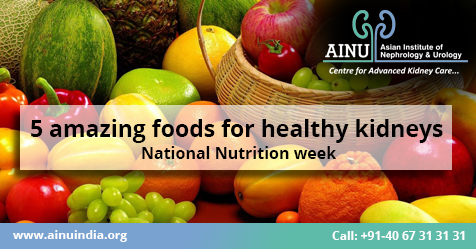
5 Amazing Foods for Healthy Kidneys

Kidneys are extremely vital to your body as their main job is to filter your blood.Include these foods in your diet if you are suffering from kidney-related diseases or to maintain healthy kidneys.

Red bell peppers:
Low in potassium and an excellent source of vitamin C and vitamin A, as well as vitamin B6, folic acid and fiber, red bell peppers contain lycopene, an antioxidant that protects against certain cancers. Have them raw with dip, as a salad or snack served on crackers or bread.

Apples:
Known to reduce cholesterol, prevent constipation, protect against heart disease and reduce the risk of cancer, apples are high in fiber and anti-inflammatory compounds.

Cabbage:
High in vitamin K, vitamin C and fiber, cabbage is also a good source of vitamin B6 and folic acid. It is known to protect against cancer, as well as improve cardiovascular health. Add raw cabbage to coleslaw and serve it as a side dish.

Garlic:
Garlic helps prevent plaque from forming on your teeth, lowers cholesterol and reduces inflammation. Due to its flavor, garlic powder is a great substitute for garlic salt that can be added to those on the dialysis diet.

Onions:
Rich in flavonoids, especially quercetin, a powerful antioxidant that works to reduce heart disease and protects against many cancers, onions are low in potassium and a good source of chromium, a mineral that helps with carbohydrate, fat and protein metabolism.

Urethral Stricture

The urethra is a tube that carries urine from the bladder so it can be expelled from the body. Usually the urethra is wide enough for urine to flow freely through it. When the urethra narrows, it can restrict urinary flow. This is known as a urethral stricture. Urethral stricture is a medical condition that mainly affects men.

Causes
Urethral stricture involves constriction of the urethra. This is usually due to tissue inflammation or the presence of scar tissue. Scar tissue can be a result of many factors. Young boys who have hypospadias surgery (a procedure to correct an underdeveloped urethra) and men who have penile implants have a higher chance of developing urethral stricture. A straddle injury is a common type of trauma that can lead to urethral stricture. Examples of straddle injuries include falling on a bicycle bar or getting hit in the area close to the scrotum. Men are more likely to have a urethral disease or injury because of their longer urethra. For this reason, strictures are more common in men. They are rare in women and in infants. Stricture (narrowing of the urethra) can happen at any point from the bladder to the tip of the penis. This narrowing restricts or slows the flow of urine in. Some common causes are:

  • trauma to the urethra
  • infection such as a sexually transmitted disease
  • damage from surgical tools
  • conditions that cause swelling

In most cases, no cause can be found.
In adults, urethral strictures are most often due to:

  • injury from a fall onto the scrotum or perineum
  • prostate surgery
  • kidney stone removal
  • urinary catheterization
  • other surgical tools

Risk Factors
Some men have an elevated risk of developing urethral stricture, especially those who have:

  • had one or more STIs
  • had a recent catheter (a small, flexible tube inserted into the body to drain urine from the bladder) placement
  • had urethritis (swelling and irritation in the urethra), possibly due to infection
  • an enlarged prostate

Symptoms
Urethral stricture can cause numerous symptoms, ranging from mild to severe. Some of the signs of a urethral stricture include:

  • weak urine flow or reduction in the volume of urine
  • sudden, frequent urges to urinate
  • a feeling of incomplete bladder emptying after urination
  • frequent starting and stopping urinary stream
  • pain or burning during urination
  • inability to control urination (incontinence)
  • pain in the pelvic or lower abdominal area
  • urethral discharge
  • penile swelling and pain
  • presence of blood in the semen or urine
  • darkening of the urine
  • inability to urinate (this is very serious and requires immediate medical attention)

Diagnosis
Doctors may use several approaches to diagnose urethral stricture.

  • Reviewing your symptoms and medical history
    You can self-report the symptoms mentioned above. Your doctor may also ask about past illnesses and medical procedures to determine whether one or more risk factors are present.
  • Performing a physical examination
    A simple physical examination of the penis area can help the doctor identify the presence of a urinary stricture. For instance, the doctor will be able to readily observe redness (or urethral discharge) and find out if one or more areas are hard or swollen.
  • Conducting tests
    To make a definite diagnosis of a urethral stricture, the doctor may also decide to perform one or more of the following tests:
  • measuring the rate of flow during urination
  • analyzing the physical and chemical properties of urine to determine if bacteria (or blood) are present
  • cystoscopy: inserting a small tube with a camera into the body to view the inside of the bladder and urethra (the most direct way to check for stricture)
  • measuring the size of the urethral opening tests for chlamydia and gonorrhea

Treatment
There are many options depending on the size of the blockage and how much scar tissue is involved. Treatments include:

  • dilation – enlarging the stricture with gradual stretching
  •  urethrotomy – cutting the stricture with a laser or knife through a scope
  • open surgery – surgical removal of the stricture with reconnection and reconstruction, possibly with grafts (urethroplasty)

There are no available drugs to help treat strictures. Without treatment, you will continue to have problems with voiding. Urinary and/or testicular infections and stones could develop. Also, there is a risk of urinary retention (when you can’t pass urine), which could lead to an enlarged bladder and kidney problems.

Prevention

  • Avoid injury to the urethra and pelvis.
  • Be careful with self-catheterization
  • Use lubricating jelly liberally
  • Use the smallest possible catheter needed for the shortest time
  • Avoid sexually transmitted infections.
  • Gonorrhea was once the most common cause of strictures.
  • Antibiotics have helped to prevent this.
  • Chlamydia is now the more common cause.
  • Infection can be prevented with condom use, or by avoiding sex with infected partners.
  • If a problem occurs, take the right antibiotics early. Urethral strictures are not contagious, but sexually transmitted infections are.

CKD in Children

Kidney disease can affect children in various ways, ranging from treatable disorders without long-term consequences to life-threatening conditions. Acute kidney disease develops suddenly, lasts a short time, and can be serious with long-lasting consequences or may go away completely once the underlying cause has been treated. Chronic kidney disease (CKD) does not go away with treatment and tends to get worse over time. CKD eventually leads to kidney failure, described as end-stage kidney disease or ESRD when treated with a kidney transplant or blood-filtering treatments called dialysis.

Children with CKD or kidney failure face many challenges, which can include

  • A negative self-image
  • relationship problems
  • behavior problems
  • learning problems
  • trouble concentrating
  • delayed language skills development
  • delayed motor skills development

Children with CKD may grow at a slower rate than their peers, and urinary incontinence—the loss of bladder control, which results in the accidental loss of urine—is common.

Causes
Kidney disease in children can be caused by

  • birth defects
  • hereditary diseases
  • infection
  • nephrotic syndrome
  • systemic diseases
  • trauma
  • urine blockage or reflux

From birth to age 4, birth defects and hereditary diseases are the leading causes of kidney failure. Between ages 5 and 14, kidney failure is most commonly caused by hereditary diseases, nephrotic syndrome, and systemic diseases. Between ages 15 and 19, diseases that affect the glomeruli are the leading cause of kidney failure, and hereditary diseases become less common.

Symptoms
The signs and symptoms in advanced chronic kidney disease may include the following:

  • Volume overload
  • Hyperkalemia
  • Metabolic acidosis
  • Hypertension
  • Anemia
  • Bone disease (termed osteodystrophy)
  • Cardiovascular disease
  • Anorexia, nausea, vomiting

Diagnosis

  • Dipstick test for albumin
  • Urine albumin-to-creatinine ratio
  • Blood test
  • Imaging studies
  • Kidney biopsy

Treatment
Treatment for kidney disease in children depends on the cause of the illness. A child may be referred to a pediatric nephrologist — a doctor who specializes in treating kidney diseases and kidney failure in children — for treatment. Children with a kidney disease that is causing high blood pressure may need to take medications to lower their blood pressure. Improving blood pressure can significantly slow the progression of kidney disease. The health care provider may prescribe

  • angiotensin-converting enzyme (ACE) inhibitors, which help relax blood vessels and make it easier for the heart to pump blood
  • angiotensin receptor blockers (ARBs), which help relax blood vessels and make it easier for the heart to pump blood
  • diuretics, medications that increase urine output

Many children require two or more medications to control their blood pressure; other types of blood pressure medications may also be needed.As kidney function declines, children may need treatment for anemia and growth failure. Anemia is treated with a hormone called erythropoietin, which stimulates the bone marrow to produce red blood cells. Children with growth failure may need to make dietary changes and take food supplements or growth hormone injections. Children with kidney disease that leads to kidney failure must receive treatment to replace the work the kidneys do. The two types of treatment are dialysis and transplantation.

Diet and Nutrition
For children with CKD, learning about nutrition is vital because their diet can affect how well their kidneys work. Staying healthy with CKD requires paying close attention to the following elements of a diet:

  • Protein: Children with CKD should eat enough protein for growth while limiting high protein intake. Too much protein can put an extra burden on the kidneys and cause kidney function to decline faster. Protein needs increase when a child is on dialysis because the dialysis process removes protein from the child’s blood. The health care team recommends the amount of protein needed for the child. Foods with protein include
  • eggs
  • milk
  • cheese
  • chicken
  • fish
  • red meats
  • beans
  • yogurt
  • cottage cheese
  • Sodium: The amount of sodium children need depends on the stage of their kidney disease, their age, and sometimes other factors. The health care team may recommend limiting or adding sodium and salt to the diet. Foods high in sodium include
  • canned foods
  • some frozen foods
  • most processed foods
  • some snack foods, such as chips and crackers
  • Potassium: Potassium levels need to stay in the normal range for children with CKD, because too little or too much potassium can cause heart and muscle problems. Children may need to stay away from some fruits and vegetables or reduce the number of servings and portion sizes to make sure they do not take in too much potassium. The health care team recommends the amount of potassium a child needs. Low-potassium fruits and vegetables include
  • apples
  • cranberries
  • strawberries
  • blueberries
  • raspberries
  • pineapple
  • cabbage
  • boiled cauliflower
  • mustard greens
  • uncooked broccoli
  • High-potassium fruits and vegetables include
  • oranges
  • melons
  • apricots
  • bananas
  • potatoes
  • tomatoes
  • sweet potatoes
  • cooked spinach
  • cooked broccoli
  • Phosphorus: Children with CKD need to control the level of phosphorus in their blood because too much phosphorus pulls calcium from the bones, making them weaker and more likely to break. Too much phosphorus also can cause itchy skin and red eyes. As CKD progresses, a child may need to take a phosphate binder with meals to lower the concentration of phosphorus in the blood. Phosphorus is found in high-protein foods. Foods with low levels of phosphorus include
  • liquid nondairy creamer
  • green beans
  • popcorn
  • unprocessed meats from a butcher
  • lemon-lime soda
  • root beer
  • powdered iced tea and lemonade mixes
  • rice and corn cereals
  • egg white
  • sorbet
  • Fluids: Early in CKD, a child’s damaged kidneys may produce either too much or too little urine, which can lead to swelling or dehydration. As CKD progresses, children may need to limit fluid intake. The health care provider will tell the child and parents or guardians the goal for fluid intake.

5 Amazing Foods for Healthy Kidneys

Kidneys are extremely vital to your body as their main job is to filter your blood.Include these foods in your diet if you are suffering from kidney-related diseases or to maintain healthy kidneys.

Red bell peppers:
Low in potassium and an excellent source of vitamin C and vitamin A, as well as vitamin B6, folic acid and fiber, red bell peppers contain lycopene, an antioxidant that protects against certain cancers. Have them raw with dip, as a salad or snack served on crackers or bread.

Apples:
Known to reduce cholesterol, prevent constipation, protect against heart disease and reduce the risk of cancer, apples are high in fiber and anti-inflammatory compounds.

Cabbage:
High in vitamin K, vitamin C and fiber, cabbage is also a good source of vitamin B6 and folic acid. It is known to protect against cancer, as well as improve cardiovascular health. Add raw cabbage to coleslaw and serve it as a side dish.

Garlic:
Garlic helps prevent plaque from forming on your teeth, lowers cholesterol and reduces inflammation. Due to its flavor, garlic powder is a great substitute for garlic salt that can be added to those on the dialysis diet.

Onions:
Rich in flavonoids, especially quercetin, a powerful antioxidant that works to reduce heart disease and protects against many cancers, onions are low in potassium and a good source of chromium, a mineral that helps with carbohydrate, fat and protein metabolism.

Smoking & your health

Most people associate cigarette smoking and tobacco use suffer from breathing problems and lung cancer. But smoking is also a major cause of cardiovascular (heart and blood vessel) disease.

How serious a health problem is smoking?

  • Smoking is the most important preventable cause of premature death
  • Smoking is responsible for one out of every five deaths

Smoking: the cause of preventable disease and death
Smoking and tobacco use are significant risk factors for a variety of chronic disorders. Smokers die significantly earlier than nonsmokers: 13.2 years for men and 14.5 years for women.

What’s the link between smoking and cardiovascular disease?
Smoking is a major cause of atherosclerosis – a buildup of fatty substances in the arteries. Atherosclerosis occurs when the normal lining of the arteries deteriorates, the walls of the arteries thicken, and deposits of fat and plaque block the flow of blood through the arteries.

In coronary artery disease, the arteries that supply blood to the heart become severely narrowed, decreasing the supply of oxygen-rich blood to the heart, especially during times of increased activity. Extra strain on the heart may result in chest pain (angina pectoris) and other symptoms. Coronary artery disease can lead to a heart attack.

In peripheral artery disease, atherosclerosis affects the arteries that carry blood to the arms and legs. As a result, the patient may experience painful cramping of the leg muscles when walking (a condition called intermittent claudication). Peripheral artery disease also increases the risk of stroke.

What’s the link between smoking and heart attack?
A person’s risk of heart attack greatly increases with the number of cigarettes he or she smokes. There is no safe amount of smoking. Smokers continue to increase their risk of heart attack the longer they smoke. People who smoke a pack of cigarettes a day have more than twice the risk of heart attack than nonsmokers.

What’s the link between smoking and oral contraceptives?
Cigarette smoking increases the risk of serious cardiovascular side effects from oral contraceptive use (birth control pills). The risk increases with age and with heavy smoking (15 or more cigarettes per day) and is quite marked in women over 35 years of age. In addition to the increased risk of heart attack, there is also an increased risk of blood clots, pulmonary embolism, peripheral artery disease, stroke and deep vein thrombosis.

Can smoking affect my kidneys?

  • Smoking can affect medicines used to treat high blood pressure. Uncontrolled or poorly controlled high blood pressure is a leading cause of kidney disease.
  • Smoking slows the blood flow to important organs like the kidneys and can make kidney disease worse.

Is smoking a problem for people with high blood pressure?
People with high blood pressure should not smoke because:

  • Smoking can affect some of the medicines used to treat high blood pressure.
  • Smoking increase the risk of strokes and heart attacks in people with high blood pressure.

Is smoking a problem for people with diabetes?

  • Smoking slows blood flow to important organs and can worsen heart, blood vessel and kidney problems.
  • Smoking slows blood flow to your feet, making sores and infections harder to heal.

What health problems are related to smoking?
Smokers have a higher risk for:

  • Lung cancer
  • Bladder cancer
  • Lung disease
  • Mouth cancer
  • Heart disease
  • Pancreas cancer
  • High blood pressure
  • Cervical cancer
  • Stroke
  • Pregnancy complications
  • Kidney cancer
  • Early menopause

Smoking causes:

  • Decreased oxygen to the heart and to other tissues in the body
  • Decreased exercise tolerance
  • Decreased HDL (good) cholesterol
  • Increased blood pressure and heart rate
  • Increased risk of developing coronary artery disease and heart attack
  • Increased risk of developing peripheral artery disease and stroke
  • Increased risk of developing lung cancer, throat cancer, chronic asthma, chronic bronchitis, and emphysema
  • Increased risk of developing diabetes
  • Increased risk of developing a variety of other conditions, including gum disease and ulcers
  • Increased tendency for blood clotting
  • Increased risk of recurrent coronary artery disease after bypass surgery
  • Damage to cells that line coronary arteries and other blood vessels
  • Increased risk of impotence
  • Increased risk of fertility problems
  • Increased wrinkles
  • Increased risk of becoming sick (especially among children: respiratory infections are more common among children exposed to secondhand smoke)

How does smoking affect others?
Cigarette smoke doesn’t just affect smokers. When you smoke, the people around you are at risk for developing health problems, especially children. Secondhand smoke (also called passive smoke or environmental tobacco smoke) affects people who are frequently around smokers. Secondhand smoke can cause chronic respiratory conditions, cancer, and heart disease. Children who are exposed to secondhand smoke are inhaling many of the same cancer-causing substances and poisons as smokers.

By quitting smoking, you will:

  • Prolong your life: According to the American Heart Association, smokers who quit between the ages of 35 and 39 add an average of 6 to 9 years to their lives. Smokers who quit between the ages of 65 and 69 increase their life expectancy by 1 to 4 years.
  • Reduce your risk of cardiovascular disease: Quitting smoking reduces the risk of repeat heart attacks and death from heart disease by 50 percent or more.
  • Reduce your risk of high blood pressure, peripheral artery disease, and stroke.
  • Reduce your risk for developing a variety of other conditions, including diabetes, lung cancer, throat cancer, emphysema, chronic bronchitis, chronic asthma, ulcers, gum disease, and many other conditions.
  • Feel healthier: After quitting, you won’t cough as much or have as many sore throats, and you will increase your stamina.
  • Look and feel better. Quitting can help you prevent wrinkles, get rid of stained teeth, improve your skin, and even get rid of the stale smell in your clothes and hair.
  • Improve your sense of taste and smell.

How can I quit smoking?

  • Quitting smoking can be difficult.
  • Many programs are available to help smokers quit. Contact organizations like the American Cancer Society for information.
  • Your doctor can also offer suggestions to help you quit.

Six ways to drink less and still control thirst in summer

Many people dream of sipping lemonade while gently rocking in a hammock during the sultry summer days. Yet, for people with kidney failure, the lemonade, or more specifically the amount of lemonade they drink, could be a problem.

For people with normal kidney function, their kidneys help to regulate the amount of fluid in the body. When a person has kidney failure, the kidneys are not able to remove the excess fluid from the body. While many people with kidney failure rely on dialysis to remove fluid, they still must be careful to stay within strict fluid limits. Too much fluid may cause swelling, shortness of breath, or high blood pressure, which can have severe consequences. Also, the more fluid a person consumes between dialysis treatments means the more fluid that has to be removed during a dialysis treatment. This can lead to a longer or less comfortable treatment.

During the hot summer days, controlling thirst can become a complicated matter for people with kidney failure. Here are 6 tips to drink less and control the thirst in the summer.

A light spray may help combat dry mouth

  • Using a refreshing spray can re-wet the mouth and will use less fluid than drinking from a container.
  • Mint spray: 1 teaspoon peppermint extract in 1 cup of water. Mix together in spray bottle. Spritz as needed.
  • Lemon spray: ½ cup lemon juice in ½ cup of water. Mix together in spray bottle. Use as needed.
  • Frozen fruit

Ice can sometimes quench thirst better than water. Try freezing lemon juice with water to make lemon ice cubes. Also, try sucking on frozen grapes.

Chew sugar free gum or suck on sugar free mints
Eating salty and sugary foods can encourage thirst. Avoid high sodium and concentrated sweets. To combat cravings, chew sugar free gum or suck on sugar free mints.

Take medications with applesauce
Use applesauce to take medicines instead of liquid, which controls the thirst.

Avoid the hottest part of the day and stay out of direct sun
Try avoiding the sun between 10 a.m. and 4 p.m., when the sun’s rays are strongest.

Maintain a fluid and food diary
Many people with kidney failure may not realize how much fluid they eat or drink. Anything that pours or melts is a fluid. Also, certain foods, such as watermelon, contain large amounts of fluid. Keep a fluid and food diary to identify what is consumed over time.

Pregnancy and Transplant

Fertility (the ability to have a child) tends to increase in both men and women after a transplant. Are you thinking about pregnancy? If so, you should discuss it beforehand with your transplant team and other healthcare providers. There are many things to consider. You and your healthcare provider should discuss them all very carefully.
Here are a few brief answers to some common questions about kidney disease and pregnancy.

Can a woman who has a kidney transplant have a baby?
Yes. If you have a kidney transplant, you are likely to have regular menstrual periods and good general health. Therefore, getting pregnant and having a child is possible. But you should not become pregnant for at least one year after your transplant, even with stable kidney function. Some medicines that you take after a kidney transplant can cause problems to a developing baby. In some cases, pregnancy may not be recommended because there is a high risk to you or the baby. Another reason is if there is a risk of losing the transplant.
Talk with your healthcare provider if you have a transplant and are thinking about getting pregnant. Your healthcare provider may need to change your medications so that it is safe for you to become pregnant. It is very important to use birth control until you and your healthcare provider have agreed that it is safe for you to become pregnant.

How might medicines taken by transplant patients affect an unborn child?
Many anti-rejection medicines are generally safe for a pregnant woman and her baby. However, there are some types that can affect pregnancy and the baby. These types should be avoided during pregnancy and stopped at least six weeks (or more) before becoming pregnant. Your doctor will likely monitor you after you’ve stopped, and let you know when it’s safe to attempt pregnancy.
If you have a kidney transplant and are considering pregnancy, you should discuss it carefully with your transplant team and your kidney doctor. Your doctor may want you to switch to a different anti-rejection medicine.

What kind of birth control is recommended for transplant patients?
Transplant patients who are sexually active and have not undergone menopause should use birth control to prevent pregnancy. Your healthcare provider can recommend the type of birth control that should be used. Many women who have high blood pressure should not use “the pill” (oral contraceptives) since this type of medicine can raise blood pressure and increase the chance of blood clots. The diaphragm, sponge, and condom are usually acceptable means of birth control, especially when used with spermicidal creams, foams or jellies. The newer IUD is also possible.

Can I become pregnant after receiving a transplant?
Yes! After receiving a transplant your fertility can return quickly and you can become pregnant. You should use appropriate birth control measures and any consideration of pregnancy should be discussed with your healthcare providers.

Is pregnancy safe after transplant?
Depending on the type of transplant you received and your other personal health factors, there may be special issues to consider. Although not very common, pregnancy may cause problems. Successful pregnancy is most likely when your transplanted organ is working well and your medication doses are stable prior to pregnancy.

Do the children develop normally?
The NTPR continually updates its information with a special focus on child health and development. At follow-up, the children are overwhelmingly reported to be healthy and developing well. Rare health or development problems have occurred, more likely due to prematurity or inherited disorders.

Fertility generally returns after renal transplantation. Approximately 74% of pregnancies in kidney transplant recipients end successfully in life births.

Book an Appointment