Future of Robotic Surgery_ Advancements and Opportunities

Table Of Contents

  • The Future of Robotic Surgery: Advancements and Opportunities
  • What is robotic surgery?
  • When and why is robotic surgery performed?
  • Advancements in Robotic Surgery: A Beginner’s Guide
  • The Future of Robotic Surgery
  • Wrapping It Up

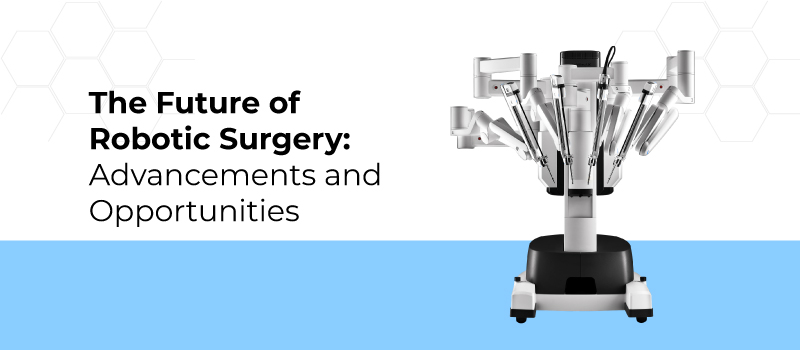
The Future of Robotic Surgery: Advancements and Opportunities

In recent times, the technological advancement in the medical world has been rapid and revolutionary. Robotic surgery is one of the most unique and extraordinary innovations in health and wellness. As the name suggests, robotic surgery is a surgical procedure wherein mechanical arms are controlled by a surgeon for surgical maneuvering. In this post, we will check the A to Z of robotic surgery, including its future, advancements, and other nitty-gritties.

What is robotic surgery?

Robotic or robot-assisted surgery, is a medical procedure that enables doctors to perform various complex surgeries with precision, flexibility, and control. The first robotic surgery was performed in 1985 by the PUMA 560 for neurosurgical biopsies. Thereafter, the mechanism has evolved and is utilized in an array of surgical specialties, especially in urology.

It is essential to note that robotic surgery is mostly linked to minimally invasive surgeries, which are performed through tiny incisions. It often serves as an alternative method for specific open surgeries. The most typical and widely prevalent clinical robotic surgical system encompasses a camera arm and mechanical arms with surgical instruments attached to them.

The surgeon controls the arms while seated at a computer device (console) near the operation table. The console offers the surgeon a high-definition, magnified, and 3D view of the surgical site. The head surgeon leads other team members at the patient side who also assist during the operation.

When and why is robotic surgery performed?

Despite having a fairly short history, robot-assisted surgeries have gained immense popularity worldwide. The technique is preferred because it enhances precision, flexibility, and control during an operation and enables the surgeon to better see the site as compared to conventional methods. Robotic surgery allows surgeons to perform delicate and complicated procedures that may be incredibly challenging or impossible with other strategies.

Many conditions have been successfully addressed and treated with robotic-assisted surgeries in Uro-oncology.

These include:

  • Partial Nephrectomy – Surgical removal of the tumor of kidney while preserving the healthy part
  • Robotic Prostatectomy – Surgical removal of cancerous prostate.
  • Robotic radical cystectomy – Surgical removal of cancerous bladder.

Now that we know about the basics, let us gauge the future of robotic surgery and the interim advancements.

Advancements in Robotic Surgery: A Beginner’s Guide

In recent years, the realm of robotic surgery has witnessed phenomenal advancements, such as:

  • The Da Vinci System

Intuitive Surgical’s Da Vinci Surgical System is a popular and helpful invention. It has been used in more than 5 million surgeries worldwide and continues to evolve rapidly. The updated versions of the system, the Da Vinci X & Xi, were designed and devised to be more versatile and easy-to-use than its erstwhile counterpart.

The Future of Robotic Surgery

The future of robotic surgery is quite bright. We can expect further advancements in the field. Some experts even suggest that robot-assisted surgeries and procedures will become the norm in the near future. Likewise, with more interest in the domain, robotic surgical systems are bound to become more accessible and affordable.

Some tangible predictions for the upcoming years are:

  • Increased availability and affordability

    As robotic surgery becomes more ubiquitous, robotic surgical machines will become more accessible and budget-friendly. Such as decrease in costs will ensure that everyone receives the right kind of treatment and that global parity is achieved in health and technology.

  • Microsurgeries and Miniaturization of Robots

    The robots performing surgeries are bound to become smaller and more precise. Their ability to perform surgeries on delicate parts of the human body with greater accuracy and minimal invasiveness will increase. For instance, human testing of a robot performing a ‘super microsurgery’ or surgery of 0.3 to 0.8 mm vessels is currently underway. If the trial is a success, robots will be able to repair and mend microvasculature with higher precision and speed.

  • AI Integration

    Quite understandably, artificial intelligence’s mushrooming and integration will continue in robotic surgical mechanisms. In due course, the autonomy and accuracy of these methods will also increase.

  • Haptic Feedback

    Advancements in haptic technology will enable surgeons to feel and manipulate tissues in real-time. Thus, the precision and humaneness of robotic-assisted surgery will be further bolstered.

The Top Benefits of Robotic Surgery

Let us wrap up the post by checking out some of the benefits of robotic surgery. These include:

  • Fewer complications, such as surgical site infections
  • Less blood loss
  • Less pain and discomfort
  • The surgeon has a greater range of motion and dexterity.
  • The surgeon is equipped with a highly magnified, 3D, and high-resolution view of the operating site.
  • smaller and less noticeable scars
  • Shorter hospital stays
  • Quicker recovery
  • Fewer blood transfusions
  • Fewer complications during surgery
  • The surgeon has better access to the deeper area being operated on.

Wrapping It Up

So, there we have it: a quick overview of what robotic surgery is, its advancements, and what we can expect in the future. Robotic surgery comes with several benefits and minimal risks. However, if you are interested in the procedure, it is crucial to know when to consult a doctor. He or she will advise you on the optimal technique.
Impact of Robotic Surgery on Prostate Cancer Treatment

Prostate cancer isn’t something anyone expects to deal with, yet it affects millions of men worldwide. It’s common, especially in older men, and once it shows up, it changes the way people think about their health. If you’ve just heard the word from your doctor or you’re looking into options for someone you care about, you’re probably sifting through a ton of treatment terms. Surgery, radiation, therapy, and something that keeps robotic surgery. Robotic surgery is changing how prostate cancer is treated. People who once had to go through painful, long recoveries are now walking out of hospitals faster and feeling better. For those looking for the best prostate cancer treatment, this is a development worth paying attention to.

What Is Robotic Surgery in Prostate Cancer?

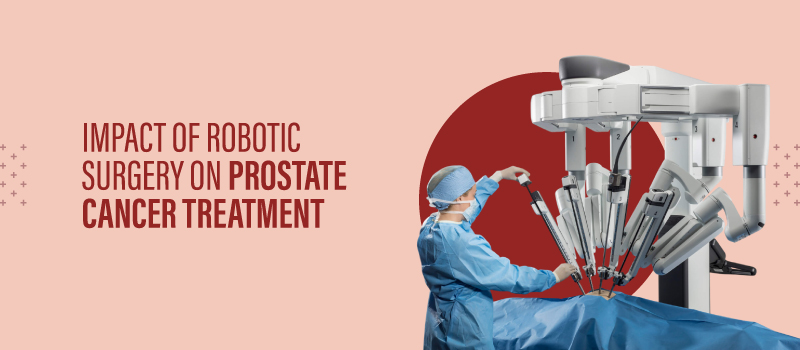
Robotic surgery in prostate cancer doesn’t mean a machine operates on its own. Every movement is guided by the surgeon, who controls the robotic arms from a high-tech console. These arms are designed to be smaller and more precise, allowing delicate procedures to be performed through tiny incisions instead of large cuts. For someone with prostate cancer, that makes a huge difference. It improves the chances of removing the cancer effectively while helping preserve vital functions such as bladder control and sexual health. And cities like Hyderabad have some of the best centers for this. If you are looking for a robotic surgery doctor in Hyderabad, there are specialists performing these procedures every day.

Why More Patients Are Choosing Robotic Surgery

Why are so many men leaning toward robotic surgery in prostate cancer care these days? Let’s look at what’s working.

Greater Accuracy in Surgical Procedures

This one’s straightforward. The robotic arms don’t shake. The camera gives a close-up, 3D view that’s much better than the naked eye. So, when the surgeon makes a move, it’s clean, precise, and focused only where it needs to be. That matters a lot. Because in prostate surgery, damaging the wrong nerve can lead to problems you don’t want. Accuracy means better outcomes.

Smaller Incisions and Less Scarring

Open surgeries used to involve big cuts. Long scars, longer healing, more pain. But with robotic surgery, it’s more like a few tiny entries instead of one big opening. That means fewer stitches, less scarring, and usually less bleeding. If you’re the kind of person who wants to heal fast and not carry a reminder forever, this might be the better option for you.

Faster Recovery and Reduced Pain

One thing patients often say is, “I didn’t expect to be back on my feet so quickly.” That’s the beauty of robotic surgery; smaller wounds mean less trauma, and less trauma means your body bounces back faster. Within a couple of weeks, many people are already moving around comfortably. Some even get back to light work or walking routines faster than they expected. Your life doesn’t stop just because of surgery.

Lower Risk of Complications

Let’s be honest, no surgery is 100% without risk. But with robotic surgery, the risks tend to be lower. With a skilled hand at the console and robotic tools doing the job with finesse, you’re looking at fewer infections, reduced bleeding, and fewer issues during recovery. For those searching for the best prostate cancer treatment, that kind of peace of mind is priceless.

Choosing the Right Surgeon Matters

Here’s something important: no matter how good the technology is, it’s only as good as the person using it. You need someone who knows what they’re doing, someone who’s performed a lot of these and knows the machine like the back of their hand. That’s why people go looking for the best robotic surgeon for prostate cancer. Experience, success rates, and patient reviews all matter. In Hyderabad, there are many top-rated doctors who perform robotic surgery regularly. Finding a well-reviewed robotic surgery doctor in Hyderabad could be the difference between a smooth recovery and a stressful one.

What to Expect After Robotic Surgery

Post-surgery, you won’t be in the hospital for too long. A day or two, typically. There’s a catheter involved, yes, which is not the most comfortable thing, but it’s temporary. Within a week or so, most men are back home and slowly building up energy. Follow-ups are key. Your doctor will check PSA levels to make sure everything’s going well. With time, the concentration shifts to healing fully and getting back to normal life, whatever that looks like for you.

Why Patients Choose AINU for Prostate and Kidney Care

The Asian Institute of Nephrology and Urology (AINU) is one of the top super-specialty hospitals in India for kidney and urology. Since 2013, we have earned the trust of thousands by providing quality care with compassion. Our NABH accreditation in just 2 years is a testament to our commitment to clinical excellence. We are famous for our robotic surgery expertise and offer solutions for prostate cancer and related conditions. With some of the best robotic surgeons for prostate in India and fully equipped operation rooms, We provide precise and minimally invasive treatments with excellent outcomes. Our urology and nephrology departments work together to provide complete care from complex endoscopic procedures to advanced dialysis support. We have centers in Hyderabad, SecunderabadVizagSiliguri, and Chennai, so world-class care is just a step away. At AINU, your health is in safe hands.

AINU has dedicated Uro-Oncology team who focus on Oncological principles and provide holistic care

Final Thoughts

At the end of the day, robotic surgery is more than just a high-tech tool. It’s helping men get treated with fewer side effects, more precision, and a better shot at a full recovery. If you’re at that crossroads, wondering what to do next, it’s okay to research and learn more about it. Ask your doctor questions. Meet our best robotic surgeons in Hyderabad. Talk to someone who’s been through it. Most of all, remember this: the goal isn’t just survival; it’s quality of life. And with the right help, the best robotic surgeon for prostate cancer, and the best care team, you’re not walking this road alone.

Regular, Periodic tumor board discussions are conducted for comprehensive care and consensus management discussion on complex Urological problems.

Understanding Uro-Oncology: A Comprehensive Guide

Getting diagnosed with any kind of cancer is hard. But when it involves the urinary system or male organs, most people don’t even know where to start. It’s not something we talk about often, and it’s easy to feel like you’re on your own. That’s where the field of uro-oncology treatment comes in, offering guidance, options, and some much-needed clarity. This guide is here to help you understand the situation better and what your next steps might be.

What is Uro-Oncology?

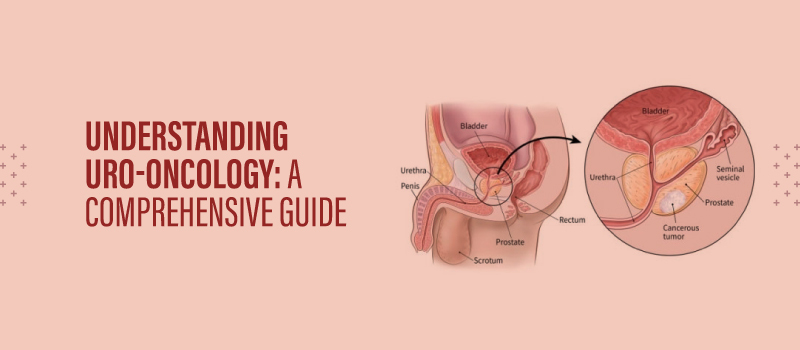
Uro-oncology deals with cancers of the Adrenal gland, kidneys, bladder, prostate, penis and testicles. It’s a branch of medicine that combines two specialties: urology and oncology. These cancers can be slow, sneaky, or aggressive; it depends. Some creep along with no symptoms for years. Others spread fast. Many cases don’t get caught early. But things have changed with better tests, smarter treatments, and more options. If caught early, many of these cancers can be treated effectively. That’s what gives people hope.

What are the signs of Uro – Oncology?

Let’s be honest. Spotting blood in your urine would make anyone panic. But what about going to the bathroom more often or feeling a dull ache near your back? Those, most of us tend to brush off. That’s why so many people are shocked when they get a uro-oncological cancer diagnosis. The symptoms were there, just not loud. That’s why testing matters. A lab test, a scan, maybe a biopsy; none of it is fun, but it helps doctors see what’s going on.

Common Cancers in Urology

Prostate cancer is one of the most common cancers in men, especially as they grow older. Bladder cancer is closely linked to smoking and often shows its first signs through blood in the urine. Kidney cancer is sometimes detected incidentally, during scans done for unrelated reasons. Testicular cancer, tends to affect younger men, but the good news is that it’s highly treatable when caught early. Each of these cancers has its own characteristics, risks, and impact on patients’ lives.

What treatment actually looks like

Uro-oncology treatment doesn’t follow one fixed plan. It depends on where the cancer is, how advanced it is, if it’s spread, your age, how your body’s doing overall, and your own preferences. For some, surgery is the first step. Uro oncology surgeries are complex however with good experts and equipment patients said through the treatment proves without much peri operation struggle ex: Minimal invasive surgeries like laparoscopic & Endoscopic and robotic procedures. For others, radiation or chemotherapy may be recommended. Newer options like immunotherapy are also showing excellent results for certain cancers. Sometimes, the best plan is simply to wait and watch. Some cancers grow so slowly that it makes more sense to monitor them than jump into treatment that could cause side effects too early. This doesn’t mean ignoring it; it just means being smart about timing. Many are now minimally invasive, using smaller incisions for faster recovery. Robotic-assisted procedures add even more precision, helping doctors treat cancers more effectively while preserving quality of life.

It’s not just about your body

People talk about the physical aspect a lot: scans, test results, and recovery. But what doesn’t get mentioned enough is the mental part. Getting a uro-oncological cancer diagnosis is life-altering. It derails your life. One minute you’re living life like normal, the next minute you are overwhelmed with uncertainty. And because these cancers often affect private parts of the body, people don’t always open up about them. They keep it quiet, feel awkward, and are embarrassed. It’s totally okay to feel weird, scared, or even angry. Talk to your doctor, a therapist, or someone who’s been through it. There are groups out there that exist just to make you feel less alone in all this.

After the treatment ends

Here’s what most people don’t tell you: finishing treatment doesn’t mean you’re just done and life goes back to normal. You’ll have follow-ups, scans, and maybe bloodwork. You’ll probably still worry a little. Some days will feel like everything’s fine, and other days, not so much. That’s just part of it. And yes, there might be side effects that stick around. Maybe your energy’s lower or your body just doesn’t feel like it used to. That matters, and it’s worth talking about. But also a lot of people say cancer changed their perspective, slowed life down, and made them see what really matters.

Why we need to talk about this more

Uro-oncological cancers don’t get talked about enough. People think problems like peeing issues or testicle pain are awkward or embarrassing, so they ignore them. But the longer you wait, the fewer options you have. That’s just real talk. We’ve got to break that silence. Talk to your partner, your friend, your doctor, or anyone you trust. Raising awareness doesn’t need a billboard; it just needs people willing to be honest. Because the truth is, early detection saves lives. If just one person reads this and goes to get something checked out, it’s worth it.

Advancing Uro-Oncology Care with Precision and Compassion at AINU

At AINU, we don’t just treat urological cancers; we walk with our patients every step of the way. Since opening in 2013, the Asian Institute of Nephrology and Urology has become one of India’s go-to hospitals for uro-oncology treatment. We have centers in Hyderabad, Secunderabad, Vizag, Siliguri, and Chennai, providing top-notch care for our patients. We’ve helped people get through tough cancer diagnoses, offering minimally invasive surgeries that speed up recovery and reduce pain. Our doctors are some of the best in their field, skilled in robotic and laparoscopic methods that make healing faster and easier. Not only did we earn NABH accreditation early on, but we’ve also grown into one of the most trusted places for renal and urological care. Every patient here matters.

Wrapping It Up

Uro-oncology treatment isn’t just about removing tumors or finishing chemotherapy. It’s about the whole journey, understanding your body, making decisions you never thought you’d have to make, and finding your footing again afterward. If you or someone close to you is going through this, you’re not alone. Advances in medicine, stronger networks of care, and a growing focus on patient well-being mean that the road, though challenging, is one of hope and possibility.

Can You Live with One Kidney

Table Of Contents

  • What Do Kidneys Do?
  • What Happens When You Have Just One Kidney?
  • Why Might Someone Have Only One Kidney?
  • Is It Safe to Live with One Kidney?
  • Diet and Nutrition
  • Physical Activity with a Single Kidney
  • Medical Monitoring: Regular Check-Ups Are Key
  • Medications to Use with Caution
  • Do You Need Dialysis with One Kidney?
  • Are There Long-Term Risks?
  • Conclusion

Can you live with one kidney? The answer is, yes, you absolutely can. In fact, many people live long, healthy lives with a single kidney. But living with one kidney does require some understanding of how your body adjusts, what lifestyle changes are important, and how to stay ahead of any potential risks.

In this comprehensive guide, we’ll walk you through everything you need to know; from kidney function and potential risks to diet, exercise, medical care, and long-term wellness.

The primary role of the kidneys is to remove waste and excess fluids from the body, helping to maintain a healthy balance of electrolytes, blood pressure, and other critical functions. As they start to fail, the overall effects are quite damaging. You should know about the signs of chronic kidney disease, as you can miss out on them easily. With the right signs and early diagnosis, you can treat this condition on time.

What Do Kidneys Do?

Your kidneys are incredible organs; small in size but crucial in maintaining overall health. Together, they filter around 50 gallons (approximately 190 litres) of blood every single day. They perform many essential functions, including:

  • Removing waste and excess fluids from the body
  • Balancing electrolytes, such as sodium and potassium
  • Managing blood pressure through hormone regulation
  • Producing hormones that stimulate red blood cell production
  • Activating vitamin D, which supports strong bones and immune health

While we are born with two kidneys, it turns out that we really only need one functioning kidney to live a normal, healthy life.

What Happens When You Have Just One Kidney?

When a person is born with only one kidney, or when a kidney is surgically removed (due to donation, injury, or disease), the remaining kidney usually adapts. It grows slightly larger and boosts its filtering ability to meet the body’s needs. Over time, one kidney can take over nearly all the necessary functions. Many people with a single kidney experience no symptoms at all.

What Happens When You Have Just One Kidney?

There are several reasons why a person might live with one kidney:

  • Congenital absence: A small number of people are born with just one kidney (a condition called renal agenesis).
  • Surgical removal: A kidney may be removed because of cancer, chronic disease, or trauma.
  • Kidney donation: Thousands of healthy individuals donate a kidney to help loved ones or strangers in need.
  • Kidney shrinkage: Chronic conditions such as diabetes or high blood pressure may lead to loss of function in one kidney over time.

No matter the reason, with good care and lifestyle management, people can live with one kidney and enjoy a good quality of life.

Is It Safe to Live with One Kidney?

In most cases, yes. Many people with a single kidney never develop serious problems, especially if they follow the right precautions. Research shows there may be slightly higher risks over the long term, including:

  • Increased blood pressure
  • Protein in urine (proteinuria)
  • Slightly faster decline in kidney function as people age

That’s why it’s important to adopt a kidney-friendly lifestyle and work closely with a specialist to monitor your health.

Diet and Nutrition

One of the most important ways to protect your kidney is through proper nutrition. There’s no universal “renal diet” required for all people with one kidney, but smart choices can help you avoid extra strain.

In general, you should aim for:

  • Balanced protein intake: Enough to maintain muscle mass, but not so much that it overworks your kidney
  • Lower sodium: Aim for under 2,300 mg of salt per day to help control blood pressure
  • Ample fruits and vegetables: These provide fiber, vitamins, and antioxidants
  • Adequate hydration: Drinking plenty of water keeps your kidney working smoothly

Processed foods, fast food, and sugary drinks should be limited. If blood tests show any decline in kidney function, your doctor may further personalize your diet to reduce phosphorus, potassium, or protein intake.

Physical Activity with a Single Kidney

Exercise is important for everyone, including those with a single kidney. Regular physical activity helps you maintain a healthy weight, lowers blood pressure, improves mood, and supports heart health; all of which benefit kidney function.

Most types of exercise are perfectly safe:

  • Walking
  • Jogging
  • Swimming
  • Yoga
  • Strength training (with good technique)

Contact sports such as football, martial arts, or hockey carry a risk of kidney injury. If you participate in these, it’s wise to wear protective equipment; and speak with your doctor first.

Medical Monitoring: Regular Check-Ups Are Key

When you live with one kidney, the best kidney treatment is prevention. Regular check-ups can help you spot problems early; often before you feel any symptoms.

Here’s what your doctor will typically monitor:

  • Blood pressure: Keep it below 130/80 mmHg if possible
  • Creatinine and eGFR levels: Measure how well your kidney is filtering
  • Urinalysis: Look for protein in the urine
  • Electrolytes and overall blood chemistry

Most people will only need annual or semi-annual visits; but if there are any concerns, your doctor may recommend more frequent testing.

Medications to Use with Caution

Some common medications can affect kidney health, particularly when you have only one kidney. The medicines to watch out for include:

  • NSAIDs (ibuprofen, naproxen)
  • Some antibiotics and antivirals
  • Certain herbal supplements

It’s always smart to consult your nephrologist before starting any new medicine; even over-the-counter drugs, to ensure they are safe for your kidney.

Do You Need Dialysis with One Kidney?

Dialysis is required only when kidney function drops below about 15% of normal. With good care, most individuals maintain strong kidney function throughout life.

However, if you do develop kidney disease (for example, due to diabetes or hypertension), it’s important to work with your nephrologist early. The earlier you take action, the more likely you can avoid dialysis.

Are There Long-Term Risks?

Living with one kidney carries slightly higher long-term risks, especially if other health issues (like diabetes or high blood pressure) are present. The most common risks include:

  • High blood pressure
  • Proteinuria
  • Gradual decline in filtration rate over decades

By working closely with your doctor, eating well, staying active, and avoiding harmful medications, most people maintain excellent kidney function for life.

Conclusion

So, can you live with one kidney? The answer is yes! You can enjoy a full, healthy life with only one kidney. Just ensure that you regularly monitor kidney health, make smart lifestyle choices, and seek the best kidney treatment and professional guidance from experts.

At AINU, we’re here to support you every step of the way. Our nephrology team can create a personalized care plan to help you protect your kidney and live life to the fullest.

If you or a loved one are living with a single kidney, contact AINU today for expert guidance and world-class care.

Frequently Asked Questions

1. Can a person live with only one kidney?

Yes! Many people live perfectly normal lives with one kidney, as long as they take care of their overall health.

2. What precautions should I take if I have only one kidney?

Maintain healthy blood pressure, eat a balanced diet, stay hydrated, avoid injury to the kidney, and attend regular check-ups with your nephrologist.

3. Are there any restrictions on physical activity?

Most exercise is safe; including walking, swimming, yoga, and strength training. For contact sports, wear protective gear and consult your doctor first.

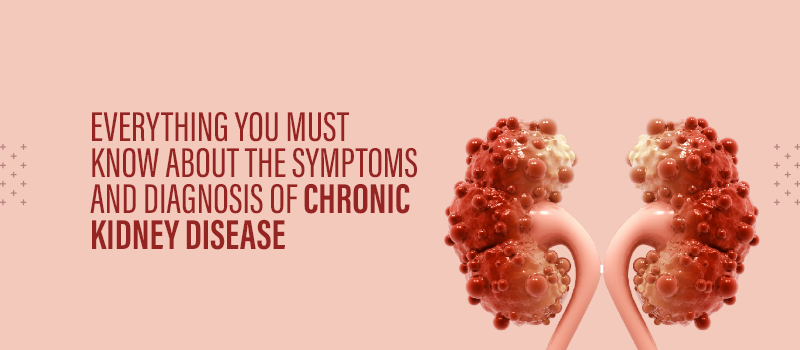
Everything You Must Know About the Symptoms and Diagnosis of Chronic Kidney Disease

Table Of Contents

  • Understanding Chronic Kidney Disease
  • Common symptoms of chronic kidney disease
  • Diagnosis of chronic kidney disease
  • Blood test (estimated glomerular filtration rate)
  • Final thoughts

Health problems can be either short-term or long-term, and every organ in the body has a unique and vital role. The kidneys, in particular, are essential organs responsible for filtering waste and maintaining the body’s fluid and electrolyte balance.

Chronic Kidney Disease (CKD) is a serious condition where the kidneys gradually lose their ability to function properly. The decline is often slow and subtle, which means symptoms may not appear until significant damage has already occurred.

The primary role of the kidneys is to remove waste and excess fluids from the body, helping to maintain a healthy balance of electrolytes, blood pressure, and other critical functions. As they start to fail, the overall effects are quite damaging. You should know about the signs of chronic kidney disease, as you can miss out on them easily. With the right signs and early diagnosis, you can treat this condition on time.

Understanding Chronic Kidney Disease

Our kidneys are vital organs that are located in the lower back area. Some of the main roles of this organ are to purify blood, eliminate waste, and balance fluids,electrolytes in the body. If you have chronic kidney disease, your kidneys will not function properly. If there is more damage to the organ, it could even lead to kidney failure.

At that stage, people might need dialysis or a kidney transplant.

Common symptoms of chronic kidney disease

One of the most common issues of chronic kidney disease is that it usually does not have symptoms at the beginning. Most people go on living with it for quite long without knowing about these symptoms. Let’s take a closer look at the symptoms.

Being tired all the time

One of the first symptoms that most individuals observe is feeling exceptionally weak and tired. It is not the type of fatigue that comes from being tired after a long day. This is an exhaustion that will not subside with rest. It happens because the kidneys can’t effectively filter waste, and the buildup of toxins in your blood affects your energy levels.

Swelling of the feet, ankles, hands, or face

Normal kidneys filter out excess fluids and salt from the body. But when not functioning normally, fluid begins to accumulate and results in swelling, which is edema. This will tend to manifest on your legs, ankles, feet, and even on the eyes. The shoes may feel tight, or the socks will leave impressions on your legs, or the rings won’t fit the way they used to.

Changes in urination

Since kidneys make urine, alterations in the manner in which you are urinating can be a direct indication of kidney problems. These alterations are typically the first to be noticed, and they differ from individual to individual. You may observe:

  • Frequent nighttime urination
  • Bubbly or foamy urine, indicating protein in the urine
  • Dark urine, indicating the presence of blood
  • Pale or extremely clear urine
  • Pain and burning during urination
  • Urine with a strong odour

If you notice any of these changes last for more than a few days, it is important to consult your doctor.

Shortness of breath

There are two reasons why individuals with chronic kidney disease will be out of breath. First, fluid accumulation in the lungs if the kidneys are unable to eliminate it effectively. Second, chronic kidney disease usually causes anaemia, which is where your blood can’t transport oxygen. This can make breathing more difficult, especially during exercise or when lying down.

Metallic taste in mouth and bad breath

When there is accumulated waste in your blood, a state which is referred to as uraemia, it can result in a foul taste in your mouth. This can result in bad breath and an altered taste in food. Individuals can also lose their appetite for food and experience nausea upon consumption of food. Some of the typical experiences include food tasting abnormal, bad breath despite proper oral hygiene, and loss of appetite for food you once liked.

Diagnosis of chronic kidney disease

While the experience may be similar to a layperson, kidney cancer is an entirely different disease and a very serious one. It refers to the condition of the kidney cells growing rapidly and uncontrollably in an abnormal manner. This life-threatening disease can be of different types, the most common one being renal cell carcinoma, which is what 90 percent of kidney cancer patients suffer from. Apart from this type, Wilms tumor and transitional cell carcinoma are other types of kidney cancer impacting people. The Wilms tumor impacts children primarily.

Kidney cancer is the presence of a malignant tumor in the kidneys, which causes dull and continuous pain to the patient, which may increase gradually. The pain in this case is felt in the back side, also known as the flank area. However, since the lump cannot be felt by the patient, especially in the early stages, it is commonly mistaken for kidney stones unless proper diagnostics are run.

Blood test (estimated glomerular filtration rate)

This is one of the key tests that are used to test how efficiently your kidneys are purifying your blood. The test counts creatinine, a waste product that is formed naturally by your muscles. Healthy kidneys remove creatinine through urine. If creatinine levels are elevated, then maybe your kidneys are not functioning correctly. From this, doctors will derive the eGFR. This figure indicates how well your kidneys are removing waste. Let us see what eGFR levels mean:

A person who gets kidney cancer will see some common symptoms of the disease, including the following:

  • 90 or above – Normal kidney function
  • 60–89 – Early-stage chronic kidney disease
  • 30–59 – Moderate kidney damage
  • 15–29 – Severe decrease in kidney function
  • Below 15 – Kidney failure

A low eGFR for three months or longer usually confirms chronic kidney disease.

Urine Test

Your urine can reveal a lot about how your kidneys are doing. Normally kidneys keep important substances like protein in the body and filter out the waste. But if they are damaged, proteins like albumin can leak into urine. A common test measures the albumin to creatinine ratio. A high ACR means too much protein in the urine. Doctors can also test for blood in urine, which can suggest infection, kidney stones, and inflammation.

Imaging Tests

Doctors might want to look at your kidneys using imaging tests. These will help them detect abnormal size or shape of kidneys, tumours, cysts, or kidney stones, and blockages or poor blood flow. The common scan used is renal ultrasound, which is safe and painless. If more detailed images are needed, a CT scan or MRI can be used.

AINU is proud to be one of the youngest hospitals in the country to achieve NABH accreditation. Our facilities combine top amenities along with world-class standards of service. We are present in Secunderabad, Hyderabad, Siliguri, Vizag, and Chennai. We focus on delivering a comprehensive range of medical, surgical, and supportive care services. We strive to provide the best clinical outcomes for our patients by making sure that our qualified and experienced team attends to them with care. If you are facing issues with your renal health, do not hesitate to book a consultation with us.

Final thoughts

Chronic Kidney Disease might not always show obvious symptoms, symptoms to present it indicates more than 50% damage of the kidney has occured,That is why early diagnosis is very important. With all the right tests, doctors can easily identify kidney problems and help you manage them before they become serious. A simple test today can protect you from a life-changing condition tomorrow.

Explaining the Differences Between Kidney Stones vs. Kidney Cancer

Kidney diseases have become increasingly common, raising concerns among patients about the nature of their illness. Since there are various types of kidney diseases that have similar symptoms and impact, they cause patients to worry about the severity of the condition and the accuracy of the diagnosis. However, knowing the difference between issues such as kidney stones and cancer can ensure a precise diagnosis and treatment route. In this article we will explain the difference between these two illnesses for a confident outlook.

Understanding Kidney Stones

Renal calculi, known commonly as kidney stones, are mineral or salt deposits that collect in the kidney when the organ is not functioning optimally. The concentration of urine, which causes the minerals like calcium or uric acid to stay behind in the kidneys, causes the minerals to crystallize into small stones, which cause immense pain and discomfort. There are multiple types of kidney stones, including calcium stones, uric acid stones, cystine stones, and more.

Calcium stones, as the name suggests, are calcium deposits made up of calcium oxalate and/or phosphate that collect in the kidneys. Uric acid stones are seen most commonly among individuals whose intake of protein is very high or who suffer from dehydration. Lack of water in the body leads to a higher concentration of uric acid, leading to the formation of these stones. Cystine stones are a very rare type of kidney stone and most commonly occur as a hereditary disease.

What are the Causes and Symptoms of Kidney Stones?

Kidney stones can occur because of several reasons, but the most common causes include high-protein diets, excessive intake of salt, dehydration, medicinal side effects, or genetic predisposition. If your family has a history of kidney stones, you are likely to get afflicted with the issue if proper care is not taken.

When a person suffers from kidney stones, they can experience distressing symptoms such as the following:

  • Extreme and sharp pain in the back or the side of the body
  • Hematuria or presence of blood in the urine
  • Nausea and vomiting
  • Pain during urination
  • Frequent feeling of urination
  • Pain in the lower abdomen and groin region

A sharp, often cramp-like pain in the lower body, typically in the flank region, which radiates to the abdominal area, is a key sign of kidney stones.

Understanding Kidney Cancer

While the experience may be similar to a layperson, kidney cancer is an entirely different disease and a very serious one. It refers to the condition of the kidney cells growing rapidly and uncontrollably in an abnormal manner. This life-threatening disease can be of different types, the most common one being renal cell carcinoma, which is what 90 percent of kidney cancer patients suffer from. Apart from this type, Wilms tumor and transitional cell carcinoma are other types of kidney cancer impacting people. The Wilms tumor impacts children primarily.

Kidney cancer is the presence of a malignant tumor in the kidneys, which causes dull and continuous pain to the patient, which may increase gradually. The pain in this case is felt in the back side, also known as the flank area. However, since the lump cannot be felt by the patient, especially in the early stages, it is commonly mistaken for kidney stones unless proper diagnostics are run.

What are the Causes and Symptoms of Kidney Cancer?

Kidney cancer, too, has several distinctive causes. While family history of kidney cancer is a significant cause, alerting those with a genetic possibility to contract the issue, there are many other common reasons behind it as well. Individuals who smoke, are obese, suffer from high blood pressure, or are continually exposed to certain types of toxic chemicals such as herbicides are at a higher risk of getting kidney cancer. Apart from that, those suffering from kidney disease and getting dialysis for a long time are also at risk of getting kidney cancer.

A person who gets kidney cancer will see some common symptoms of the disease, including the following:

  • Presence of blood in the urine (may or may not be visible to the naked eye)
  • Fatigue
  • Sudden weight loss without any reason
  • Consistent and dull pain in the back or lower side region
  • Onset of fever without any trace of infection
  • A mass in the kidney area

One of the biggest differences between kidney stones and cancer is the kind of pain experienced by the patient. In the case of kidney cancer, the patient will suffer from a dull and persistent kind of pain, whereas with stones, the pain is sharp, such as that which one feels during cramps or feeling like getting stabbed. The presence of urine in the case of cancer can be microscopic, which makes it tricky for patients to suspect.

Expert Treatments at AINU

If you have been struggling with kidney-related issues, come visit us at AINU, Hyderabad. We understand the critical nature of the disease, whether it be stones or cancer, and the need for quick and conclusive diagnosis. For seamless kidney stone treatment in Hyderabad or cancer treatments in Hyderabad, you can trust AINU, Hyderabad. Equipped with experienced and highly skilled experts and state-of-the-art infrastructure, we make your journey, from diagnosis to treatment to recovery, hassle-free and empathic. Our experts provide personalized care, listen to your ailments, needs, and goals, and provide the most suitable course of action to effectively handle the disease with as little discomfort as possible. For more information, connect with us today.

Conclusion

Kidney issues can cause consistent and long-term challenges for patients, which can be exacerbated by misdiagnosis and improper treatment. The critical nature of kidney diseases and the important role this organ plays make it imperative to address issues as quickly as possible. For this, reaching the right experts in time is critical. It is also equally essential to know the difference between varied diseases to ensure you understand what the experts explain and are able to connect it with your condition.

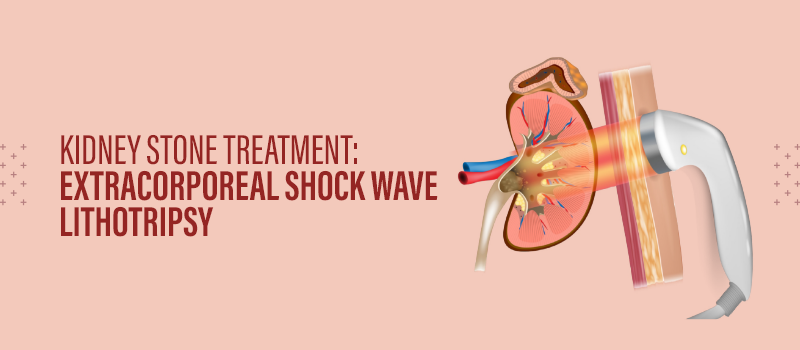
Kidney Stone Treatment: Extracorporeal Shock Wave Lithotripsy

Kidney stones are becoming a very common concern across the world, especially in India, with poor lifestyles, including uncontrolled eating habits, increasing the occurrence of the issue among the masses. This painful disease requires patients to undergo invasive surgeries, typically in severe cases. However, with technological advancements, noninvasive treatment options such as extracorporeal shock wave lithotripsy (ESWL) have been developed. While still gaining recognition, leading urology and nephrology institutions and hospitals have already adopted it. In this article we will examine what it is, how it works, and more.

Understanding Extracorporeal Shock Wave Lithotripsy

Extracorporeal shock wave lithotripsy (ESWL) is a highly advanced and modern treatment option that is non-invasive in nature. In this procedure, shock waves are used for disintegrating the stones into tiny pieces and particles, which can then be passed out of the body through the urinary tract. The method is highly effective in treating stones that are situated in the upper ureter or in the kidney and fall between the small- to medium-sized stone category. Though it was devised in the 1980s, it is still gaining popularity, especially in India. However, now, this method of treatment is quickly becoming a widely available and accessible treatment option.

ESWL is a highly preferred treatment option among eligible patients, such as those whose stone is not bigger than 2 cm and is situated either in the kidney or in the upper ureter. Those that have stones bigger than this would not be eligible to get this treatment. Moreover, any patient whose kidney function is not compromised and whose stones can be seen very clearly via the X-ray or ultrasound scans can be considered eligible for this treatment. Finally, if these parameters are met, a patient who wants to go for the non-surgical treatment route can benefit from this kidney stone treatment option. Beyond these parameters, the eligibility of a patient can be dependent on other factors and must only be assessed and defined by a doctor.

How It Works

The way ESWL works makes it extremely effective in treating kidney stones without exposing the body to surgical procedures. While surgery can be risky (in some cases) and bring a lot of discomfort and pain to the patient, ESWL is a non-invasive process, which also makes it much less painful or uncomfortable.

In this process, lithotripters are used to emit acoustic shock waves, which are utilized for breaking down the kidney stones. These high-energy waves are targeted at the kidney stone and accurately break it down into smaller pieces. Since it is a precision process, the shock waves must be targeted accurately, which makes it vital for the stone to be clearly visible. The XRay and ultrasound scans made for the kidney stones are utilized for this, as the images clearly indicate the position of the stone.

When the body is exposed to the waves, it travels through the layers to reach the stone and break it into smaller particles. These pieces are then left in order to gradually pass through the urinary tract.

Advantages of ESWL

ESWL offers a lot of advantages, because of which it is growing in popularity for treating kidney stones effectively. Some of the key advantages that all patients must know include the following:

100% Surgery-Free

There is zero surgery involved in an ESWL procedure. All the patient needs to get done is an imaging examination, such as an ultrasound or an X-ray. Thereafter, patients will be treated using lithotripters, which emit acoustic waves. This means there is no need for any cuts, incisions, numbing agents, or anything that can be considered invasive. Because of being non-invasive, this procedure is also extremely safe for patients (who qualify) and has a high rate of success. As such, individuals who are eligible and in whom the stone is found in time should choose this treatment for its efficacy.

Minimal Downtime

For busy individuals, ESWL also brings the advantage of minimal downtime. Since it is non-invasive, patients only need to rest for a day or two before they can pick up their regular activities. The post-treatment care in this procedure, as with all others, is quite essential. So, patients must follow the instructions of their doctors in order to recover fully and quickly.

Quick Procedure, Minimal Discomfort

Another great thing about the ESWL procedure is that it is super quick, and the patient does not feel the kind of pain and discomfort that they would in a surgical procedure. The complete process can be completed within an hour, including the outpatient processes, allowing patients to leave back for home (unless otherwise needed) quickly. In most cases, patients are allowed to leave for home the same day. As for pain, in general the amount of pain and discomfort felt is very low, and for this, a mild sedative or even localized anesthesia may be given to the patients. This is mostly given to patients that are older or nervous to ensure a smoother treatment experience.

World-Class Expertise at AINU

At AINU, the leading kidney hospital in Hyderabad, we bring world-class expertise, decades of experience, and a patient-concerned approach. Our globally experienced doctors, trained with the latest treatment methods, offer a safe and comfortable ESWL treatment experience for treating kidney stones. Patients suffering from kidney stones and other urological and nephrology issues are treated with the utmost care at our hospital, with transparency, integrity, and safety at the core of all our initiatives. Driven to make your kidney health and disease recovery seamless, our doctors and staff members take all measures that make the journey comforting.

Conclusion

ESWL is one of the most advanced methods of treating kidney stones. This non-invasive method is ideal for patients that have kidney stones smaller than 2 cm and who meet the other eligibility criteria needed for the treatment. A safe and virtually painless method, this treatment is just as effective as any other surgical method, but without the recovery hassle, pain, discomfort, or chances of infection (if not provided proper post-op care). If you are struggling with kidney stones, inquire about ESWL.

How Heat Causes a 40% Rise in Kidney Stones Among Youth During Summer

As temperatures rise in India, there is a serious unwelcome trend washing over, one that urologists are warning the youth about. As the heat rises, there is a sharp increase in the number of cases of kidney stones in India, increasing at the rate of roughly 40%. What’s more concerning is that the highest increase comes in the case of young individuals, resulting from a lot of factors. Identifying kidney stones symptoms and taking precautionary measures as recommended from specialists is key to staying healthy this summer. Here’s all you need to know about it.

What Experts Have To Say

According to experts from AINU, the incidence of kidney stones increases among the younger population during summer due to various reasons. Most prominently, the age group between 20 and 40 is at the highest risk of developing kidney stones due to dehydration or inadequate hydration along with other problematic habits. Increased fast food consumption in addition to reduced intake of water contributes to increased occurrence of kidney stones. Understanding the signs of having kidney stones plays an important role in quickly understanding when you are getting them and thus getting the issue handled at the earliest.

The chances of getting kidney stones during summer months increase because the body loses a lot of water in the form of sweat. As such, salt deposits in the body tend to crystallize in the absence of enough water to flush them out. These crystals or stones cause a lot of issues, including excruciating pain. Handling kidney stones effectively can involve various approaches, such as taking medications to help dissolve the stones quickly, drinking plenty of fluids, or undergoing surgery in severe cases. Early detection increases the chances of seeing a positive impact from non-invasive methods like increasing fluid consumption and taking medications. However, if the issue goes unnoticed for a long time and becomes severe, surgery may be recommended.

Why Incidents of Kidney Stones Rise During Summers

Apart from dehydration, several factors contribute to an increased risk of developing kidney stones, especially during the summer. Some of the key reasons include:

History of Kidney Stones in the Family

Individuals who have a family history of kidney stones are always at a higher risk of developing them if proper care and precaution are not taken. These individuals need to ensure they consume ample water every day in order to prevent getting afflicted with kidney stones.

Poor Diets

With increasing work pressure and the need to maintain a strong social presence, people have developed poor dietary habits. A lot of fast food and junk food consumption leads to increasing incidences of developing kidney stones. This mostly happens because such foods are high in salt. Apart from salt, overconsumption of foods that contain oxalates and proteins contributes to increased development of kidney stones. Furthermore, unbalanced diets, especially among the overly health conscious who focus on protein intake, often forgetting balance, also lead to increased cases of kidney stones.

Excessive Heat Exposure

Professionals who are exposed to heat because of their occupation, such as people in sales jobs, those in manufacturing sectors, miners, etc., are also at an increased risk of developing kidney stones because of the extremely hot conditions. Similarly, young individuals who spend too much time outside, whether playing or otherwise, and are exposed to too much heat need to be cautious about their water intake to allow the body to excrete excessive salts, calcium, and other elements deposited in the body.

How To Prevent Kidney Stones During Summers

In order to prevent kidney stones in hot weather, especially among younger people, a number of helpful measures can be taken. Some of the most effective ways to prevent kidney stones include the following.

Hydrating Religiously

During the hot weather, make sure you hydrate yourself adequately. A helpful way is to set reminders on your phone to ensure you do not forget to drink while busy.

Eating a Balanced Diet

Focusing on what you eat is another essential element to ensuring you do not get kidney stones. Regulate how much your consumption of oxalate-laden foods is and the intake of salt and sodium-rich foods.

Limiting Sun Exposure

Try to limit time in the sun to prevent loss of water through sweat. This leads to dehydration in the body, which is a leading cause of kidney stones during summers.

Potential Treatment Routes

In case you still get kidney stones, even after taking measures to prevent them, there are multiple treatment routes that can be taken to address the issue. Based on the severity and needs of each case, a specialist may recommend any of the following treatment options.

Medications

To manage pain and help dissolve the stone, medications may be prescribed by the professionals. Along with these, the key recommendation is to drink lots of water, which will further help in dissolving the stones.

Surgery

In very severe cases, when the stone cannot be removed by medications, a surgery may be recommended by the specialists. Surgical intervention is typically avoided for as long as possible by the specialists, as it causes significant discomfort and is an invasive methodology for addressing the issue.

Lithotripsy

Lithotripsy is another treatment option that can be recommended for kidney stones treatment in Hyderabad. This is a non-invasive treatment option in which the specialists try to break down the stones.

Conclusion

With the continuous rise in temperatures, the need to tackle the potential of kidney stones effectively is rising. People in the younger age group, falling between the ages of 20 and 40 years old, increase their chances of developing kidney stones by up to 40% during the hot months. Those that have a history of kidney stones in their family, have poor dietary habits, or are exposed to heat too much are at a higher risk of developing kidney stones. As such, it is essential to remain well hydrated and take necessary precautions to ensure you stay safe.

Key Factors Influencing Kidney Transplant Success Rate: What You Need to Know

Table Of Contents

  • Factors Affecting Kidney Transplant
  • Best Kidney Transplant Hospital in India
  • Conclusion

Kidney transplant is a major surgical procedure that can impact a patient’s life in good way and even bad. Performed on individuals who suffer from chronic kidney disease or kidney failure, the success rate of this treatment is a critical factor, but one that is based upon multiple elements. The advancing medical sciences and technologies have massively enhanced the rate of success while also improving precision in treatment. Knowing the various factors that impact the kidney transplant success rate helps patients make informed decisions, and it’s what we will explore here.

Factors Affecting Kidney Transplant

A number of factors come into play when determining the success rate of a kidney transplant treatment. The key factors that can dictate how likely the procedure is to succeed include the following:

1. Living Donor or Deceased Donor

The foremost determinant of the success rate of a kidney transplant is whether a patient gets a living donor transplant or a deceased donor transplant.

  • Living donor transplants generally have a higher potential for success since the kidney to be transplanted is coming from a healthy living body. The healthier medical history of the donor contributes to the chance of success, with the rates going as high as 95% success during the first year. However, the rate of success in this period also depends upon how well the patient takes post-operative care. A great thing about this type of transplant is that it can be scheduled in advance.
  • Deceased donor transplants, on the other hand, while still successful up to 85% to 90%, rely on deceased donors. As such, these kidneys can often be unhealthier as compared to those donated by a live person. This happens because the death causes a lack of supply of oxygen to the kidneys, from the time they are retrieved to the time they are transplanted. With proper care, the patient can witness a high success rate nevertheless.

2. Overall Health Of Recipient:

How successful a kidney transplantation process is also depends in large part on the overall health of the patient that is to receive the new kidney. A patient who does not maintain their health will experience a lower success rate and typically a higher chance of failure. Pre-existing medical conditions need to be monitored and kept under control, especially the following:

  • Diabetes and blood pressure issues: These comorbidities can have a massive impact on the new kidney, damaging it rapidly in the time that your body tries to adjust to it and recover.
  • Diseases of the Heart or Lungs: Patients suffering from cardiovascular diseases are likely to experience a lower success rate after kidney transplantation and have a higher chance of developing some complications during the surgery also.
  • Compromised Immunity: A patient who has compromised immunity is more likely to develop infections, especially in the post-transplant recovery phase. Some may also have infections before the treatment, but in such cases, the transplant would normally be postponed until the infections are treated.

3. Donor-Recipient Compatibility

Another one of the key factors affecting kidney transplant is the compatibility between the donor and the receiver. Compatibility here refers to a blood type match and a tissue type match. Prior to the treatment, specialists will check specific parameters to assess whether the donor’s organ will be suitable or compatible with the receiver’s body. These checks include an assessment of the following:

  • Blood Type Matching: If the donor and the receiver both have the same blood type, then the chance of success of the transplant is significantly increased than if they do not. This means that the chances of the kidney adjusting to the new body and functioning successfully are increased.
  • HLA Match: HLA, or Human Leukocyte Antigen matching, is an important element to boosting the chances of success of the kidney transplant process. If the HLA matches, the success rate rises.
  • Crossmatch Check: The crossmatch check or test is another important assessment done before the transplant process. This test checks whether or not the receiver’s immune system will accept the new kidney. This is essential because the immune system can start attacking the new kidney even immediately leading to irreparable damage.

4. Postoperative Care

How well a patient takes care of themselves and follows the doctor’s orders after the transplant is completed ,also plays a vital role in determining how successful the kidney transplant process will be. There are a number of medications prescribed to the patient after the completion of the procedure, along with detailed instructions about everyday care, do’s and don’ts, and the follow-up dates to ensure that the kidney is functioning optimally in the new environment. Failure to adhere to these guidelines leads to complications.

Medicines such as immunosuppressants are prescribed to ensure that the immune system does not attack or reject the new kidney. If the patient stops using them as prescribed, their immune system can start to reject the kidney.

Best Kidney Transplant Hospital in India

One more factor that determines the success rate of kidney transplants is the expertise of the doctors and conditions of the hospital. We at AINU Hospital understand the big risk our patients take undergoing surgery, and it is with utmost care that our world-class, experienced renal transplant surgeons perform the treatments. Our end-to-end care services ensure that the treatment process goes on seamlessly and without any glitches, enhancing your recovery experience and preoperative care. If you are experiencing kidney trouble or need to undergo a transplant surgery, connect with us and let us guide you through an effortless procedure with a high success rate.

Conclusion

Kidney transplant is a significant, life-altering surgical procedure that can have life-long implications for the patient if it does not succeed. The chances of success of the procedure, in modern times, are quite high, thanks to medical advancements and increased technological integrations. However, following proper pre- and post-operative care methods goes a long way in increasing chances of success. Along with this, other factors like the compatibility between the donor and receiver in specific parameters, the kind of donation, and multiple other factors come into play. Proper guidance before the procedure is thus necessary.

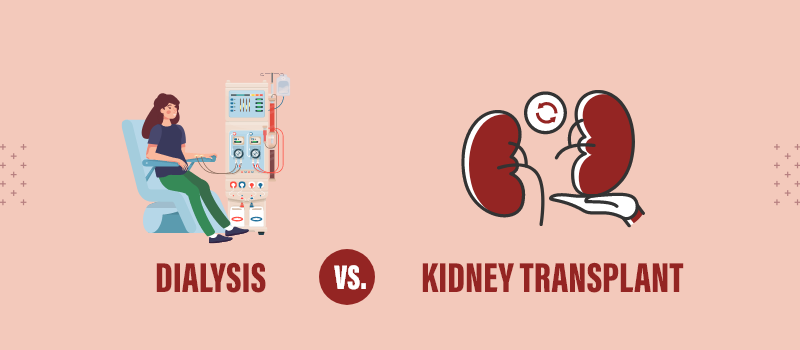
Dialysis vs. Kidney Transplant

A person suffering from kidney failure faces a significant challenge in leading a normal life. Their kidneys lose the ability to function on their own, which means the body becomes unable to filter out the excessive fluids, waste, and toxins. This poses serious life-threatening consequences, making medical intervention to help the body eliminate all waste. The choice narrows down between dialysis and kidney transplant, but it often leaves patients confused about which to opt for. Let’s try to understand these in depth to enable informed decision-making.

What is Dialysis?

Dialysis is one of the two treatment options used for patients suffering from kidney failure. This procedure is performed in one of two key ways: haemodialysis and peritoneal dialysis. The process works by removing waste as well as toxins from the bloodstream. This treatment is mostly recommended and started when a person is suffering from chronic kidney disease (CKD) or end-stage renal disease (ESRD). This treatment is aimed at managing the condition artificially, and those who choose this treatment have to undergo the treatment throughout their life.

What is Haemodialysis?

Haemodialysis is one type of dialysis treatment, in which a machine is used for conducting the procedure. The dialysis machine used for this procedure helps in filtering the blood and eliminating toxins and fluids from the bloodstream. In this process a dialyzer, which is an artificial kidney, is used, and the process is performed outside the body.

The basic function includes drawing out blood from the body into the dialyzer and passing it through to filter out waste and excessive fluids. The blood, which is cleaned by this process, is then sent back to the body.

What is Peritoneal Dialysis?

Peritoneal dialysis, on the other hand, is a treatment process that can be conducted in the patient’s home as well. This dialysis process involves the utilization of the peritoneal membrane, which is found in the abdomen of the patient. This acts as a filter, used for removing waste, fluids, and toxins from the blood. As opposed to haemodialysis, this is a less invasive process and more convenient for the patient.

To perform this treatment, a catheter is inserted into the patient’s abdominal cavity through a surgical procedure. After insertion, the specialized solution, known as the dialysis fluid, is inserted into the abdomen, which carries out the waste and toxins from the body. Once completed, the fluid is extracted out from the body and is replaced with a fresh solution.

What is a Kidney Transplant?

Kidney transplant is another way of treating kidney failure. As opposed to dialysis, this is a more long-term solution, which does not require the patient to undergo treatment regularly. A kidney transplant involves replacing one of the kidneys of the patient that has failed with a healthy kidney that is donated by a donor. The transplantation process thus allows the patient to regain kidney function without the need for ongoing treatment.

By choosing this treatment, patients can regain kidney function effectively and go back to living a normal life. However, this treatment can be conducted if the kidney is donated by a living individual, who is a family member or friend. Moreover, in order to get a kidney transplant, it is essential that the patient be eligible to undergo such a highly invasive surgical procedure.

Which is the better treatment approach?

The suitability of the treatment depends upon individual case requirements. For some individuals, dialysis may be the better option, whereas for others, kidney replacement can be the better treatment choice.

There are a number of factors that must be considered by the patient before choosing which is the right option for them. Some things you may want to research to make an informed decision can include the following:

1. Can you live longer on dialysis or with a kidney transplant?

As per several studies, the life expectancy of a patient increases by 5 to 10 years if they undergo dialysis. On the other hand, a patient’s life expectancy increases by 15 to 20 years if they undergo a kidney transplant procedure.

2. Which is cheaper, a kidney transplant or dialysis?

With dialysis, the patient has to pay a sum regularly, which can easily accumulate to anything between 2 lakhs to 5 lakhs per year. However, the costs can be higher as well depending upon the city, the kind of dialysis, and other factors.

A kidney transplant costs high upfront, going up to anywhere between 4 lakhs and 10 lakhs. Post-surgery as well, the patient may need to spend between 10,000 and 30,000 a month on medication.

3. How long do dialysis patients live?

Although the general life expectancy of dialysis patients is typically between 5 years and 10 years, with proper care patients can live for multiple decades.

4. Can you live with one kidney?

Yes, it is possible to live with one kidney without compromising on how you live life. A donor must know that donating the kidney will not affect their life as such.

If you are experiencing kidney failure and are looking for the right place to get treated, connect with us at AINU. Our experienced and empathic team of doctors strives to give a transparent diagnosis and suggest the most suitable treatment path to achieve the best results. We strive to help you relive your life as best as possible, and for that, we provide comprehensive consulting, diagnostic, and treatment services to our patients. To get your kidney disorder or failure treated by dedicated medical professionals, reach out today.

Conclusion

Dialysis and kidney transplant procedures are ways to help a patient whose kidneys have failed. Through these procedures, the excessive fluids, toxins, and waste from the patient’s bloodstream and body are eliminated, preventing them from suffering life-threatening levels of toxins in the body. Both of these methods strive to achieve the same; however, transplant is a more permanent resolution than dialysis, which needs to be performed two to three times a week minimum. Choosing which is the right option can be challenging for a patient, necessitating awareness about both.

Book an Appointment