Signs & Symptoms of Kidney Stones You Must Never Ignore

Table Of Contents

  • What are kidney stones?
  • How big can a kidney stone be?
  • Signs and Symptoms of Kidney Stones You Should Be Aware Of
  • Concluding Thoughts
  • FAQs

Shooting pain in your pelvis? Your back is hurting like there is no tomorrow. It is possible that you are going to get your period or that you feel tired in general. Maybe you had a tough workout session, but the shooting pain all over the body, especially in the regions we mentioned, could be a lot more than just your menstrual cycle. How does a man make sense of it considering they don’t go through it?

This is one of the symptoms of kidney stones, and you should not take it lightly. We are here to share some of the signs and symptoms you should not ignore. If you are experiencing any or more of them, please see a specialist immediately.

What are kidney stones?

Kidney stones are nothing but hard deposits made of salts and minerals. They form inside the kidney.

What causes kidney stones? You might be curious to know. These stones get formed when the urine has more crystal-forming substances such as oxalate, calcium, and uric acid. It is not a pleasant health condition. Knowing the early signs of kidney stones can be very helpful.

How big can a kidney stone be?

While we don’t want to scare you, a kidney stone can be as big as a golf ball. But, yes, it may be as small as a grain of sand too. Sometimes you get tiny ones in clusters.

The size may vary. And passing them could be as simple as urinating or going for a surgical procedure. Now, let’s share the signs of kidney stones, since we are here to discuss them.

Signs and Symptoms of Kidney Stones You Should Be Aware Of

Extreme Pain

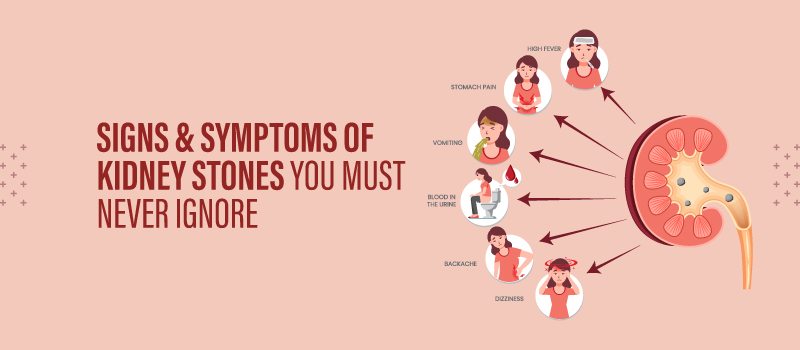
The most common and terrible sign is the pain you feel. What do kidney stones feel like? It makes you want to purge. The pain will start from the back or your side, and it may go to your ribs too. It’s like a painful wave that peaks and falls as it pleases. The location of the kidney stone pain could vary. You will feel it in the abdomen, the back, and various sides of the body.

You are heading to the bathroom again and again!

Your bathroom has become your new best friend. But this isn’t a joke. The relentless urge to go to the bathroom is real when you have kidney stones. The volume may not be much, but you feel the urge time and again.

Urinating feels like a tough task

The urinating experience feels painful. Or worse, it might even burn. You might see blood in the urine, which is a sign you should see the doctor immediately. Seeing blood in the urine means your kidney stones are moving.

You may have a question: How do you know if you have kidney stones? Well, if you are seeing blood, it is a strong sign.

Splashes of different colors

When you have kidney stones, you see a range of colors in your urine. Your urine may be yellow, orange, or bloody red. It’s an alarming sign that you need to get an X-ray. If the stones are too big, they have to be removed through a surgical procedure.

Smelly and cloudy urine

Your urine has started smelling uncanny. It was never like this before, but now you have started smelling something odd. This needs to be checked.

In this case, people often ask, Do kidney stones cause urinary tract infections? Sure, they can. The kidney stone travels through the UT, and it may cause blockages. This will slow down the flow of urine. The uncanny or sluggish urine flow will create a perfect environment for the bacteria to thrive. This is how you get a UTI. And, well, this could be the reason your urine is smelly and cloudy.

Nausea

You are feeling nausea again and again. Blame it on the kidney stones. You feel like throwing up at the sight of food, or even if you are just experiencing the pain. The reaction to pain could be tears or nausea. If you are feeling this, do not ignore the signs. You have to visit the doctor immediately.

Getting fevers and chills

Now the next thing you know is that you have a fever. This is another symptom of kidney stones. The kidney stone has brought along a nasty infection too. In this case, you should look for other signs that could indicate that you may have kidney stones.

Be watchful if there are other signs, like pain or frequent urination. Check with your doctor to see if this is normal. They would suggest an X-ray to find out if you have kidney stones.

Concluding Thoughts

Do not worry if you have kidney stones. Many people get it. It is important for you to stay hydrated and follow what the doctor says. Even if it is a surgical procedure, you should go ahead and get it done to lead a smooth and pain-free life. Kidney stones can be removed, or they may pass through by drinking plenty of water. Meet a doctor as soon as you experience any alarming signs.

FAQs

What should I ignore about kidney stones?

You should be watchful of the diet you are taking. This will help prevent new stone formation. You don’t want to worsen your current condition. Ignore foods with high oxalates.

What dissolves kidney stones fast?

Drinking lots of water can help dissolve kidney stones.

What fruit is good for kidney stones?

Citrus fruits are excellent for kidney stones. Consider adding oranges to your diet. This might help you bid adieu to kidney stones.

What vegetables should you avoid with kidney stones?

Kidney stones that form calcium oxalate require extra attention. You should avoid spinach, beetroot, Swiss chard, sweet potatoes, okra, and leeks. Spinach and all the other vegetables contain high levels of oxalates.
Energy Drinks’ Effect on Kidneys and Health

Table Of Contents

  • Ingredients in Energy Drinks
  • Side Effects of Energy Drinks on Kidneys

Energy drinks have become quite popular among adults. If you pay a quick visit to the nearest beverage store, you will see how people stock up on these caffeine-loaded drinks. The popularity, however, raises a concern about the health effects of energy drinks.

Is the quick energy boost you get from Coke and other energy boosters actually worth it? Is caffeine bad for the kidneys? Or, are the side effects of energy drinks too much for your health? If you have questions regarding the impact of energy drinks on your health, you are in the right place.

In this post, we will explore the connection between energy drinks and kidney health. Let’s see how caffeinated beverages, which are advertised as energy boosters, affect your kidneys and overall health.

Ingredients in Energy Drinks

To understand the effect of energy drinks on your health, it’s important to know the ingredients. Although the ingredients and their concentration might vary in each drink, most have a few common ones that are harmful to your health:

The risk of UTI during pregnancy’s first trimester, up to 24 weeks, is the highest, as that’s when the uterus starts growing. The fetus puts pressure on the bladder, making it difficult for the pregnant woman to empty it completely. Bacteria thrive well in the bladder when there’s residual urine. Another cause of UTI during pregnancy is the suppressed immune system. Pregnancy suppresses your immune system to protect your baby. This reduces your body’s ability to fight infection.

Caffeine

If you are one of those people whose days can’t start without a cup of coffee, you are not alone. Caffeine in coffee gives an instant energy boost, preventing drowsiness and helping you get physically and mentally alert. Caffeine is also a primary ingredient in energy drinks. The only difference is that, in energy drinks, caffeine is present in an incredibly large amount compared to that in coffee.

Too much caffeine, especially if you have it every day, can put unnecessary strain on your kidneys. It raises blood pressure, which makes your kidneys and other organs work harder than usual. Over time, this strain can lead to chronic kidney diseases, including kidney failure. The risk is particularly higher in adults with hypertension and existing kidney diseases.

Sugar

Another ingredient that’s added in large quantities in energy drinks is sugar. Rockstar drink, for instance, comes in a 16-ounce can, which has around 60 grams of sugar. That’s equivalent to 12 teaspoons of sugar. Now, if you drink two cans of this energy drink a day, you are consuming 120 grams of sugar. Even a single can of Rockstar or a similar energy drink can exceed the recommended sugar intake for the day. Doing it regularly can increase your risk of weight gain, insulin resistance, and other health problems.

Taurine

Taurine is a form of protein that’s naturally found in your heart, brain, and kidneys. It’s essential for your kidney function, as it helps regulate calcium levels, maintain blood pressure, and reduce oxidative stress. That said, too much taurine, especially when combined with caffeine and sugar, can be harmful.

When it’s consumed with caffeine, for instance, it can overwhelm your kidneys and interfere with the filtration process. Besides, taurine found in energy drinks is also linked to increased blood pressure, which may eventually harm your kidneys. The effects are worse on patients with chronic kidney diseases.

Side Effects of Energy Drinks on Kidneys

We’ve already established the link between caffeine and chronic kidney disease. Let’s see how other ingredients in these energy boosters can pose a threat to your kidneys and overall health in the long run.

Dehydration

Caffeine is a diuretic, which means it increases the frequency of urination. This can possibly lead to excessive fluid loss from the body, putting people at risk of dehydration. The risk is notably higher in athletes and those involved in strenuous physical activities.

Dehydration reduces blood supply to the kidneys, impairing their ability to filter out toxins from the blood effectively. As a result, the kidneys work harder to maintain the normal electrolyte balance. Excessive consumption of energy drinks can cause acute kidney disease, in which your kidneys do not function as efficiently as the kidneys of a healthy adult.

Kidney Stones

The most significant risk of dehydration is kidney stones, which are more likely in people with concentrated urine. Sugar-loaded beverages increase the calcium content in your urine, which is further aggravated by dehydration. Less urine output with a high calcium concentration can lead to crystal formation. Kidney stones can be small, like a pea, or big enough to block your ureters or the entire urinary tract. This can lead to infections. Kidney stones cause excruciating pain. They also increase your risk of developing kidney diseases, especially if left untreated.

High Blood Pressure

As mentioned earlier, caffeine combined with sugar can spike your blood pressure. If that happens frequently, there’s a risk your blood vessels can get damaged. Damaged blood vessels prevent proper blood circulation through your kidneys, which, in turn, affects your kidneys’ function. This can lead to chronic kidney disease over time, which can ultimately cause kidney failure. In addition to kidneys, high blood pressure is linked to many cardiovascular issues. It can cause aneurysms, stroke, heart attack, dementia, obesity, and nerve damage.

Diabetes-related Kidney Issues

Insulin resistance and the risk of developing type 2 diabetes increase drastically in people consuming excessive amounts of energy drinks. These sugar-loaded drinks do not just increase your risk of having diabetes, but they can lead to kidney-related complications in diabetic patients.

Elevated blood sugar damages small blood vessels in your kidneys, which, as mentioned previously, can impair your kidneys’ blood filtration ability. Diabetic nephropathy is another complication of uncontrolled blood sugar levels. It can result in kidney failure.

Electrolyte Imbalance

One of the key functions of your kidneys is maintaining the electrolyte balance. Energy drinks might be good at keeping you up and active for the day, but the high caffeine, taurine, and sugar content in these drinks can significantly affect your electrolyte balance. Caffeine, specifically, results in the loss of essential nutrients like potassium and calcium. Taurine, on the other hand, disrupts electrolyte function.

Contact Us

The Asian Institute of Nephrology and Urology (AINU) is India’s leading urology and nephrology care center. We offer advanced urology care, including robot-assisted urologic surgeries. We believe in offering world-class medical facilities to patients diagnosed with kidney-related issues. Contact us for the most suitable treatment plan and a smooth recovery.

World Kidney Day 2025: Are Your Kidneys OK? Detect Early & Protect Your Kidney Health

Table Of Contents

  • Why Kidney Health Awareness Matters
  • Signs of Kidney Problems: Recognizing the Early Warning Signs
  • How to Check if Your Kidneys are Healthy
  • How to Protect Kidney Health: The Golden Rules
  • The Importance of Regular Kidney Checkups
  • Spread Awareness this World Kidney Day!

Every year, World Kidney Day 2025 serves as a global reminder to prioritize kidney health. Your kidneys play a crucial role in filtering waste, balancing fluids, and maintaining overall well-being. But the question remains: are your kidneys OK?

Why Kidney Health Awareness Matters

Kidney health awareness is essential because kidney diseases are often silent, showing no symptoms until they reach an advanced stage. Early detection of kidney disease can prevent complications and improve the chances of effective treatment. That’s why it’s vital to know how to check if your kidneys are healthy and take preventive steps to safeguard them.

Signs of Kidney Problems: Recognizing the Early Warning Signs

Kidney disease doesn’t always come with obvious symptoms, but some early warning signs of kidney disease include:

  • Persistent fatigue
  • Swelling in the hands, feet, or face
  • Changes in urine color, frequency, or foaming
  • Difficulty concentrating
  • Loss of appetite
  • High blood pressure

If you experience any of these symptoms, don’t ignore them; schedule a regular kidney checkup with your doctor.

How to Check if Your Kidneys are Healthy

Maintaining kidney health starts with knowing your risk factors and getting screened regularly. Simple tests can help assess kidney function:

  • Blood Test: Measures creatinine levels to calculate kidney filtration rate.
  • Urine Test: Checks for protein or blood in the urine, which may indicate kidney damage.
  • Blood Pressure Monitoring: High blood pressure is a leading cause of kidney disease.

Regular health checkups are key to early detection of kidney disease, especially if you have diabetes, hypertension, or a family history of kidney problems.

How to Protect Kidney Health: The Golden Rules

You can take proactive steps to maintain healthy kidneys. Follow these Golden Rules to safeguard your kidney function:

  • Keep Fit & Stay Active: Regular exercise helps control blood pressure and reduce the risk of kidney disease.
  • Eat a Healthy Diet: Reduce salt intake, avoid processed foods, and consume plenty of fresh fruits and vegetables.
  • Check Blood Sugar Levels: Diabetes is a major risk factor, so keep your sugar levels under control.
  • Monitor Blood Pressure: High blood pressure can damage the kidneys over time; maintain healthy levels.
  • Stay Hydrated: Drink enough water to support kidney function and flush out toxins.
  • Don’t Smoke: Smoking damages blood vessels and impairs kidney function.
  • Avoid Alcohol: Excessive alcohol intake can strain the kidneys and lead to health complications.
  • Limit Painkillers: Frequent use of non-prescription pain relievers can harm kidney function. Consult a doctor before taking them regularly.

The Importance of Regular Kidney Checkups

Even if you feel healthy, a regular kidney checkup can help catch problems early. If detected early, kidney disease progression can be slowed or even prevented with lifestyle changes and medical intervention.

Spread Awareness this World Kidney Day!

World Kidney Day 2025 is a call to action; spread kidney health awareness, get tested, and encourage loved ones to prioritize their kidney health. By following preventive measures and detecting kidney issues early, you can ensure a healthier future.

Prioritize your kidneys, and they’ll take care of you. Share this message and raise awareness for World Kidney Day 2025!

Is Kidney Replacement Therapy Required for Everyone with Kidney Disease?

Table Of Contents

  • What is Kidney Disease?
  • What is Kidney Replacement Therapy?
  • When is Kidney Replacement Therapy Needed?
  • Renal Replacement Therapy Types
  • Dialysis or Kidney Transplant?
  • Conclusion

Kidney disease is a common health condition, affecting thousands of individuals every year. While it is extremely serious and demands extensive medical care and intervention, not all kinds of kidney disease require kidney replacement therapy. Understanding kidney disease is an essential first step to knowing when you might need kidney replacement therapy. In this article we will explore the issues in detail, explaining what this therapy is, when it is needed, and its varied types to help you be more conscious of your symptoms and make better decisions regarding the treatment.

What is Kidney Disease?

Kidney disease largely encapsulates diseases that lead to a progressive loss of kidney function. By impacting kidney function, these diseases hamper the body’s ability to filter out and get rid of any waste. To combat this, regular management of the condition is required, and often, kidney replacement therapy is needed as well.

Some of the most common types of kidney diseases include chronic kidney disease, acute kidney injury, and end-stage renal disease. Chronic kidney disease is typically a result of diabetes, high blood pressure, and other genetic challenges. Acute kidney injury results from a significant injury, medicinal side effect, or illness. End-stage renal disease is an advanced stage of chronic kidney disease in which the kidneys completely fail.

When this happens, the patient would require medical intervention in the form of regular dialysis or kidney replacement therapy, based on the requirements of every individual patient.

What is Kidney Replacement Therapy?

Kidney replacement therapy (KRT) or renal replacement therapy (RRT) refers to medical procedures, or interventions, which are used for performing the functions of the kidney, when the organ is unable to perform the functions itself. The therapy is used for enabling the body to maintain the fluid balance, electrolyte level, and help the body get rid of wastes effectively. It is a life-saving process, allowing individuals whose kidneys have failed to survive. However, it may not be required for every kind of kidney disease.

The key function that the kidney replacement therapy performs is eliminating waste such as urea as well as creatinine from the blood. Along with it, it focuses on maintaining the electrolyte levels in the body, which promotes optimal functionality and prevents weakness. By controlling the balance of bodily fluids, it also helps in managing the blood pressure levels of the body.

When is Kidney Replacement Therapy Needed?

Although it is not required for everyone, kidney replacement therapy may be required for individuals who are experiencing the following kidney challenges:

  • Individuals with end-stage renal disease face complete kidney failure. At this advanced stage, when the glomerular filtration rate drops below 15 ml/min, kidney replacement therapy is often recommended.
  • Kidney replacement therapy is typically advised for those experiencing severe and persistent symptoms such as excessive swelling, extreme electrolyte imbalances, and unmanageable hypertension.
  • Accumulation of Uremic Toxins: Uremia occurs due to an excessive buildup of toxins, resulting from significant waste accumulation in the blood. This can lead to severe complications like seizures, confusion, or nausea, necessitating kidney replacement therapy.

Renal Replacement Therapy Types

Renal replacement therapy is of two key types, including dialysis and kidney transplant. Dialysis is of two types, and the treatment course is recommended on a case-by-case basis.

  • Dialysis: A dialysis treatment can be of two types, including hemodialysis and peritoneal dialysis. Hemodialysis is a process in which a machine is used to filter the blood with the aim of eliminating toxins and waste. Blood extracted from the body is filtered in the machine and then returned into the body, with the process performed at least three times per week.

Peritoneal dialysis, on the other hand, involves using the peritoneum or the abdominal lining as a filter. The process involves inserting a specialized fluid in the abdominal cavity, which can effectively absorb waste in the body and then drain it out. The advantage of this process is that it can be performed at home, giving the patient greater convenience.

  • Kidney Transplant: A kidney transplant is a big procedure that involves extracting one of the failed kidneys from the patient’s body and replacing it with a healthy kidney that has been taken from a donor. This treatment is the most effective in the long term; however, it may not be suitable for everyone, as it requires the patient to take medications all through their life and undergo regular follow-ups.

Dialysis or Kidney Transplant?

Choosing whether you should choose dialysis or kidney transplant is a big decision, and several factors must be considered before making a decision. For instance, dialysis is more suitable as an immediate treatment for failed kidneys. It is a non-surgical procedure and does not depend on donor availability. Moreover, it is the only resolution for individuals who do not fall in the safe category for getting a transplant.

Alternatively, kidney transplant is ideal for people suffering from end-stage renal disease, individuals who are looking for more effective and long-term solutions, and patients who do not have the bandwidth to regularly visit for dialysis treatments.

If you have been suffering from kidney disease or suspect it, visit us at AINU, Hyderabad. Our experienced team of doctors provides comprehensive examinations to get an in-depth diagnosis, along with ongoing care. Our facilities feature best-in-class equipment and sanitary standards, ensuring your kidney replacement therapy is conducted safely and with precision.

Conclusion

Kidney disease affects thousands of Indians every year, in varying grades. This progressive issue causes a big challenge for individuals, preventing them from living their regular lives hassle-free. However, to manage the conditions, medical intervention is critical, and this is where kidney replacement therapy may be recommended. If you are suffering from these challenges, consult with an experienced expert at the earliest and prevent your kidneys from failing early.

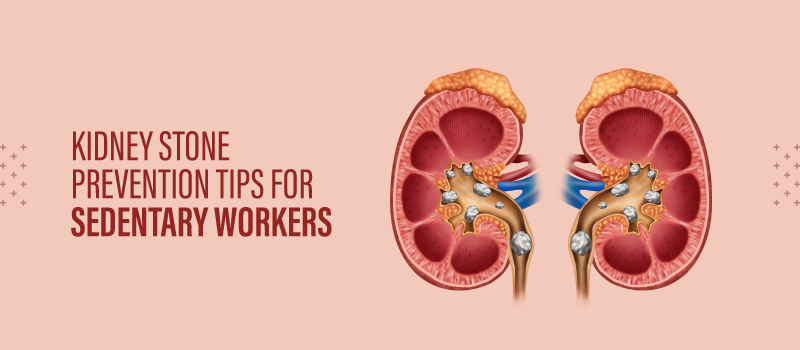
Kidney Stone Prevention Tips for Sedentary Workers

Table Of Contents

  • Hydration is Key
  • Follow a Kidney-Friendly Diet
  • Exercise is Important
  • Have a Weight Management Plan
  • Avoid Supplements
  • Prevent the Kidney Stone Recurrence
  • Conclusion

Kidney stones refer to hard deposits of minerals in the urine drainage area of your kidneys. They cause excruciating pain when they pass through your urinary tract. Although anyone can develop kidney stones at any age, these tend to be more common in people living a sedentary lifestyle. If your work routine involves prolonged hours of sitting, you need to take extra care of your hydration and diet.

The lack of physical activity, dehydration, and unhealthy dietary habits are a few culprits that are to be blamed for a higher risk of kidney stones among these people. Sadly, there’s no guaranteed method to eliminate your risk of developing these crystals, especially if the condition runs in your family. However, a few steps can go a long way in kidney stone prevention, particularly for sedentary workers. If you are wondering how to prevent kidney stones, read on.

Hydration is Key

How can you tell if you drink enough water daily? Ideally, a person should drink 8-10 glasses of water, or around 2-3 litres, a day. This ensures an adequate urine output. Kidney stones occur in people with concentrated urine, rich in minerals that might form crystals. If you spend too much time in the sun, sweat a lot, or exercise too much, you need additional fluids to ensure adequate kidney filtration and urine formation.

Dehydration isn’t just a problem for athletes and those living in hot areas, but it’s equally common among sedentary workers, as they tend to forget hydration. To know if you are drinking enough, check the color of your urine. It should be clear or pale yellow. Concentrated urine appears darker.

Follow a Kidney-Friendly Diet

Here are a few dietary tips for preventing kidney stones.

  • Get Calcium from the Right Sources: Most kidney stones are calcium-oxalate stones. That’s given calcium a bad reputation. There’s a common misconception that a diet rich in calcium can increase your risk of developing kidney stones. In reality, stones are more common in people who consume a low-calcium diet. If you’re looking for foods that reduce your risk for kidney stones, include calcium in your diet. You should get enough calcium from dairy, leafy greens, and other dietary sources. Try not to go overboard with supplements, though. That can increase your risk.
  • Cut Back on Sodium: Your biggest enemy is sodium. A salt-rich diet, such as processed foods, canned vegetables, baking soda, and condiments, should be restricted. Excessive salt in your urine makes it harder for calcium to be reabsorbed into your blood. This leads to too much calcium in your urine, which can eventually turn into stones. The most viable way to prevent kidney stones is by keeping the calcium content in your urine as low as possible. That happens when you cut back on your sodium intake.
  • Limit Oxalate-Rich Foods: Another food to avoid with kidney stones is oxalate-rich foods. Oxalate binds with calcium in your urine, forming crystals. It’s a naturally occurring compound found in nuts, seeds, leafy greens, legumes, fruits, potatoes, chocolate, tea, and grains. These foods are also rich in many essential nutrients, which are important for your overall health. So, the best you can do is combine these foods with a calcium-rich diet. This will reduce the absorption of oxalates in your gut and prevent these two components from binding in your kidneys and passing into urine.
  • Avoid Sugary Drinks: Sodas, caffeinated beverages, cold drinks, energy drinks, and fruit juices with high fructose content can increase calcium in your urine. Replace them with herbal tea, sparkling water, or lemon water. These are healthier alternatives.

Exercise is Important

You don’t have to engage in strength training, weightlifting, or high-intensity workout sessions. However, if you lead a sedentary life, the least you can do is take short breaks (every 30-50 minutes) from work and move. Take a walk around your office, go swimming, practice light stretching, or consider cycling for your commute. Exercise helps improve blood flow to the kidneys, enhancing kidney function and also increases your urine output and reduces mineral imbalance, reducing the risk of the minerals binding to form stone crystals.

Have a Weight Management Plan

There’s no clear-cut answer to how kidney stones are formed. Many factors contribute to increasing your risk. One of them is obesity. Researchers have not established why obesity increases the risk, but it’s believed that higher than normal BMI can affect urine composition, inflammation, and oxidative stress—all of which can make you more prone to developing stones.

Avoid Supplements

In case you are already suffering from Kidney stones, Do not start vitamin C, calcium, or any supplements without consulting your doctor. Kidney stones can form if you take an excessive amount of these supplements. Your urologist will examine the effect of supplements on your risk of developing kidney stones and recommend an appropriate dosage accordingly.

Prevent the Kidney Stone Recurrence

The biggest challenge people with kidney stones experience is not just the pain associated with passing the stone through urine but the high chances of stone recurrence. Studies show that people who’ve had kidney stones once are 35-50 percent more likely to have another one in the next five years compared to others. If you do not follow your urologist’s nutrition advice or kidney stone prevention tips, your risk of a recurring stone increases.

Conclusion

If you are at an increased risk of kidney stones, whether because of a sedentary lifestyle or a family history, you must follow preventive care to mitigate the risk. An effective kidney stone diet, moderate exercise, proper hydration, and weight management can greatly minimize your risk of developing kidney stones, even if you are a sedentary corporate employee.

If you are concerned about your risk of getting kidney stones because of a medical or family history, talk to urologists and nephrologists at ainu. We are equipped with advanced modern medical tools that enable us to perform many surgical procedures laparoscopically and through robot-assisted technology. Our qualified team of urologists can assess your risk level and provide dietary advice to help lower your risk of kidney stones. We can also offer personalized treatment plans to remove kidney stones safely and through minimally invasive procedures.

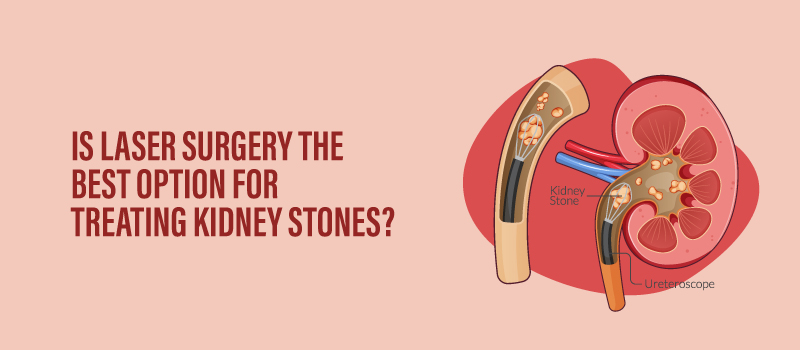
Is Laser Surgery the Best Option for Treating Kidney Stones?

Table Of Contents

  • What Are Kidney Stones?
  • How Laser Treatment for Kidney Stones Works
  • Types of Kidney Stone Laser Surgeries
  • Advantages of Laser Surgery for Kidney Stones
  • Side Effects of Laser Surgery for Kidney Stones
  • How Can AINU Provide the Best Laser Treatment Procedures for Kidney Stones?
  • Final Words
  • Frequently Asked Questions

Kidney stones can cause excruciating pain and discomfort, which may hamper one’s quality of life. Kidney stones are small, hard, crystal-like deposits found inside one’s kidneys formed due to mineral buildup in the urinary tract. Dehydration, weight loss surgery, obesity, inflammatory bowel diseases, and eating foods that are too salty are some of the many causes of kidney stone formation.

If left untreated, kidney stones can result in severe health conditions; in fact, one can hardly bear the intense pain! Fortunately, certain surgical procedures can treat kidney stones and aid in removing them with minimal invasion, thanks to modern medicine. We will discuss the advantages of laser surgery for kidney stones and how the process works. In the end, we have also added some frequently asked questions about lasers for kidney stones.

What Are Kidney Stones?

Kidney stones are hard salt and mineral deposits that can be formed in the kidneys for numerous reasons. For instance, leading a sedentary lifestyle, following an unhealthy diet, not drinking enough water, and taking certain minerals in excessive amounts can create kidney stones in the urinary tract.

Some common signs of kidney stones include severe pain in the side or back, vomiting, nausea, blood in urine, and an urgent need to urinate. Smaller kidney stones may be passed out of the urinary tract through medications. However, individuals with larger stones might need to undergo surgery to get rid of them.

How Laser Treatment for Kidney Stones Works

Kidney stone laser treatment, or lithotripsy, is a procedure that helps break down kidney stones into tinier fragments using minimal invasion. As a result, it allows the stones to pass through the urinary tract easily. Lithotripsy is beneficial for people with large and hard stones that are difficult to pass naturally.

A kidney stone laser treatment procedure is performed by a certified urologist, who uses a specialized laser that emits concentrated energy waves to break down the crystals. The surgery is usually performed under sedation or general anesthesia. The laser targets the stones in the ureter or kidneys to ensure their fragmentation.

Once the large stones are broken down, they can be passed through urination naturally, or the urologist may use a special tool called a ureteroscope. It is a thin tube inserted through the bladder and urethra to remove them safely. The urologist may also place a stent in the ureter temporarily if they feel the need to. It prevents any possible blockages while the stone pieces are being flushed out from the body, ensuring smoother urine flow.

Types of Kidney Stone Laser Surgeries

There are two types of laser surgery for kidney stones: Holmium Laser Lithotripsy and Thulium Laser Lithotripsy.

  • Holmium Laser Lithotripsy: Being one of the most common laser surgeries, Holmium Laser Lithotripsy effectively aids in breaking down kidney stones of diverse sizes. It uses energy pulses to treat ureteral stones and is considered an effective procedure for urolithiasis management.
  • Thulium Laser Lithotripsy: It is a smarter and more modern technology known for its high efficacy and precision in fragmenting kidney stones. This procedure can generate smaller specks of stone dust by delivering high-power beams.

Advantages of Laser Surgery for Kidney Stones

Here are the benefits of undergoing laser treatment to flush out kidney stones.

  • It involves a minimally invasive procedure.
  • It ensures faster and more natural recovery than traditional stone removal surgeries.
  • It can treat and remove stones of various sizes.
  • The patient will experience less pain and discomfort during and after the surgery.
  • It has high success rates.
  • It comes with lower risks of the stone fragments blocking the ureter.
  • Laser surgery involves reduced bleeding and inflammation, as it involves gentle healing of the tissues.

Side Effects of Laser Surgery for Kidney Stones

You may experience the following side effects of laser surgery for kidney stones.

  • A burning sensation while urinating
  • Pain in the area where the stone was treated and the lower back or sides
  • Feelings of fatigue and nausea
  • Blood in urine (it may persist for a few days after the surgery)
  • Fever or chills
  • Bruising on the back or sides
  • Having a sudden urge to urinate
  • Gas cramps or constipation for up to a few days

Your urologist may recommend you rest as much as possible after undergoing the laser procedure. You must also avoid participating in sports activities or vigorous exercise for up to a week. Also, you should keep yourself hydrated by drinking sufficient fluids. Besides taking the prescribed medications, consider taking a warm bath to avoid infections.

How Can AINU Provide the Best Laser Treatment Procedures for Kidney Stones?

AINU takes utmost care to maintain precision in surgical procedures. We house certified and experienced urologists and nephrologists to address the urological issues in both genders. AINU uses state-of-the-art technologies to leverage smart tools and advancements in medical research and development.

Final Words

We hope the article helped you understand kidney stones and how laser surgery works. It is one of the most preferred procedures to remove kidney stones of varying sizes. Also, keep in mind the risks of laser surgery for kidney stones and discuss with your urologist to determine whether laser treatment is the right solution for you.

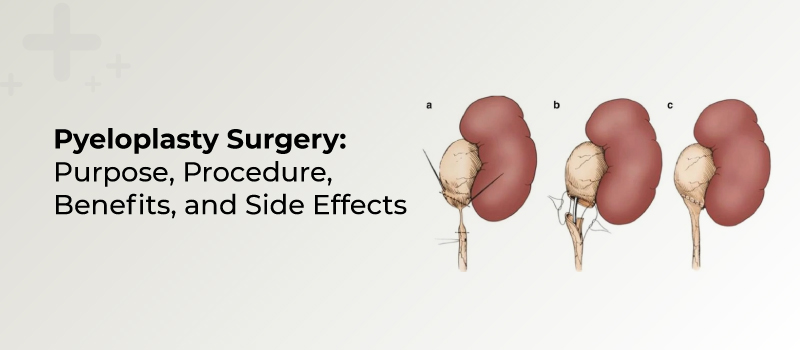
Pyeloplasty Surgery: Purpose, Procedure, Benefits, and Side Effects

Table Of Contents

  • Understanding the Pyeloplasty Procedure
  • The Plausible Benefits of Pyeloplasty
  • The Side Effects and Risks of Pyeloplasty
  • What Is Open Pyeloplasty Surgery?
  • The Long-Term Outcomes of Pyeloplasty
  • Lifestyle Adjustments After Pyeloplasty
  • Summing Up
  • Frequently Asked Questions

You might be wondering: What is pyeloplasty surgery? Since you are here, allow us to shed light on this procedure, its benefits, side effects, and complications.

Pyeloplasty is a surgical procedure aimed at correcting a condition called ureteropelvic junction obstruction. This specific condition occurs when the connection between the ureter and the renal pelvis gets blocked. This blockage can cause a lot of pain, recurrent infections, and even severe damage to the kidney.

With pyeloplasty surgery, you can expect to resolve the issue and lead a healthier and happier life. So, what really happens during the procedure? As you dive deep into this article, you will find out everything about the condition.

Understanding the Pyeloplasty Procedure

The pyeloplasty procedure is typically performed under general anaesthesia. Before you opt for the procedure, your doctor will share these details with you.

So, the most common method has to be laparoscopic pyeloplasty, which requires small incisions and the use of a camera to guide the surgery. This is a minimally invasive approach. It allows the surgeon to repair the blockage with fine precision. The affected region of the ureter is then removed, and the ureter is reattached to the renal pelvis so that it allows urine to flow freely.

The pyeloplasty procedure success rate also depends on the surgeon and the medical institution you choose for the same.

The Plausible Benefits of Pyeloplasty

Before getting the pyeloplasty surgery, you need to know if it is suitable for you. The primary advantage of pyeloplasty is the relief of symptoms associated with the obstruction, such as pain and frequent infections. Nobody wants to live with an obstruction, excruciating pain, and an uneasy feeling. The pyeloplasty surgery also aims to preserve kidney function by removing obstructions that can cause pressure buildup and possible damage to kidney tissues. Patients experience major improvements in their quality of life after they undergo surgery.

The Side Effects and Risks of Pyeloplasty

Every procedure can have certain risks. You should know about them before you make a decision. As with any surgery, pyeloplasty also comes with potential risks and side effects. The side effects may include:

  • Infection: Despite using sterile techniques, infections can happen. Speak to the surgeon about the management of side effects.
  • Bleeding: There is also a risk of bleeding during or after surgery, but it will be minor.
  • Scarring: Internal scarring might lead to further obstruction. The scarring will be minimal as compared to the ones you get after a traditional surgery. But you need to watch out for internal scarring, which leads to further complications. Talk about the pyeloplasty scar with the surgeon and what you can do about it if it occurs.
  • Damage to Surrounding Organs: There is a minor risk of injury to the surrounding organs, such as the intestines or your blood vessels.

The surgeon will let you know about the possible side effects beforehand. But, obviously, the side effects may vary from one person to another.

What Is Open Pyeloplasty Surgery?

Open pyeloplasty is not performed on everyone but may be required in complex cases or when previous surgeries have not worked on the patient. This procedure involves a larger incision, and this way the surgeon gets direct access to the affected area. It has a longer recovery time, and the scarring will be quite significant too. However, open pyeloplasty surgery can be very effective in resolving complicated obstructions.

Pyeloplasty Complications

Here are some pyeloplasty complications you should know about:

  • Recurrent Obstruction: In some of the patient cases, the obstruction might not be fully resolved, or it can happen after the surgery too.
  • Urinary Leakage: There may be temporary leakage of urine from the reconstructed junction. But, it will get resolved over a period of time.
  • Possible Case Of Hydronephrosis: Swelling of the kidney may occur if the surgery does not resolve the obstruction.

The Long-Term Outcomes of Pyeloplasty

Pyeloplasty is generally regarded as an effective treatment for UPJ obstruction with superlative long-term outcomes. Studies have also shown that the majority of patients experience major improvements in kidney function and a serious reduction in symptoms like pain as well as urinary infections.

Long-term follow-up may be required because some of the complications can get worse. There is a chance of getting kidney stones or urinary leakage. Regular monitoring will be required through CT scans, ultrasounds, etc. If the patient is a child, ongoing assessments are required to ensure normal kidney function and growth as they start maturing.

Lifestyle Adjustments After Pyeloplasty

You might be wondering if life will be normal after the pyeloplasty procedure. Recovery from pyeloplasty also involves certain lifestyle changes to ensure healing and long-term kidney health. Patients are often advised to stay hydrated to facilitate urine flow and reduce the risk of kidney stones. A balanced diet rich in fruits and vegetables and low in salt (sodium) can also help maintain kidney health.

Physical activity is a must. Thus, patients should get back to normal activities like walking or dancing in due course. Do not start lifting heavy weights immediately post-surgery.

Summing Up

Pyeloplasty surgery has proven to be an effective surgical method to resolve ureteropelvic junction instructions. The procedure offers multiple benefits in terms of symptom relief as well as kidney preservation.

Sure, there are a few risks, but doctors are now well-equipped to handle them. The laparoscopic approaches have made it much less invasive and safer as compared to other options. You can expect favorable outcomes after the procedure.

Still got queries in your head? Take a quick look at the FAQs we have put together just for you.

The Best Winter Foods For Kidney Health in India

Table Of Contents

  • WHOLE GRAINS
  • CRUCIFEROUS VEGETABLES
  • LEAN PROTEIN
  • Egg Whites
  • ENSURE HYDRATION
  • Conclusion

As we welcome winter, our lifestyle and dietary preferences will change significantly. They will be in tune with the chilly weather. While you might be interested in adding warm soups, beverages, and warm solid foods to your diet, it’s equally important that you evaluate the nutritional content of your food and check if it is kidney-friendly before making it part of your winter routine diet. A kidney-friendly winter diet should focus on foods low in sodium, phosphorus, and potassium while rich in essential nutrients and hydration.

Kidney-Friendly Foods in India

Considering the crucial role your kidneys play in filtering blood, regulating your blood pressure, and maintaining the electrolyte balance, it’s important that you focus on a healthy diet instead of relying on comfort food in winter. Here are a few guidelines that can keep your kidneys healthy.

Whole Grains

Opt for brown rice, quinoa, whole wheat products such as jowar, bajra, etc., whole wheat pasta for sustained energy and fiber. These grains have a lower phosphorus content than refined grains, making them better for kidney health.

Cruciferous Vegetables

Vegetables like broccoli, cauliflower, and Brussels sprouts contain vitamins, minerals, and antioxidants. They offer a great fiber and vitamin K source while being relatively low in potassium and phosphorus and can be taken in soup form.

Lean Protein

Incorporating lean protein sources like skinless poultry and fish into your winter meals supports kidney health. Protein is essential for tissue repair and maintenance and is crucial in dialysis patients, but moderation is key for non-dialysis patients.

Egg Whites

Not the whole egg, just the egg white. It has fewer calories, low phosphorus, low fat, and high-quality protein, all of which are healthy for your kidneys. Its low-fat content prevents plaque buildup in the blood vessels.

Ensure Hydration

It’s common to skip water in winter. Staying adequately hydrated is essential for kidney health. Warm beverages like herbal teas, low-sodium broths, warm lemon water, and warm soups can provide comfort while promoting hydration.

Limit Processed Foods

During winter, it’s tempting to rely on packaged and processed foods. However, these often contain high amounts of sodium and phosphorus additives that can strain the kidneys. Opt for fresh, whole foods whenever possible.

Portion Control

While enjoying these kidney-friendly winter foods, remember that portion control is vital. Even with healthy foods, overeating can put unnecessary stress on the kidneys. Limit your sodium and sugar intake and try to follow a balanced diet instead.

  • Limit Salt and Sugar: During winter, people turn to comfort food, which is often high in sugar and salt. Limit your sodium and sugar intake and try to follow a balanced diet instead.
  • Ginger and Garlic Food recipes in India are incomplete without garlic and ginger. These tend to be healthier alternatives to salt, which can strain your kidneys if added in large amounts. Apart from the delicious flavour that ginger and garlic add to your Indian cuisine, these two potent foods are known for their anti-inflammatory and antioxidant properties. Garlic, particularly, is rich in vitamin B6 and manganese. Ginger reduces inflammation and promotes good blood flow to your kidneys, while garlic can control cholesterol. Both are great for your kidney health. Your dietary choices can make a big difference to your kidneys’ health. It’s essential to know what to eat and avoid to ensure proper kidney function. You can talk to a dietician to get an Indian diet chart for high creatinine patients.

Conclusion

Your kidneys work hard to filter toxins from your blood. They need extra care during the colder months, as people aren’t always mindful of their diet and hydration. This can strain your kidneys, making them work harder than needed and making you prone to kidney diseases. Meet a dietician or a urologist to understand your risks and get a personalised diet plan. We provide an Indian diet chart for CKD patients and others concerned about their kidneys and overall health. AINU is a reputable urology and nephrology hospital in India with branches in Hyderabad, Chennai, Secunderabad, and other cities. Whether you are wondering what foods help repair kidneys or what Indian food lowers creatinine levels, our professionals can help create a customised diet plan that fits your requirements.

Radical Nephrectomy: Definition, Tests, and Recovery

Table Of Contents

  • Understanding Nephrectomy
  • Radical Nephrectomy Procedure
  • What Is Left Radical Nephrectomy?
  • What Tests To Do Before Radical Nephrectomy?
  • Recovery from Radical Nephrectomy: How Hard Is It?
  • FAQs

When your health deteriorates, you lose interest in all your surroundings. Some health conditions are serious and require medical intervention. What happens if it’s a vital organ? Let’s tell you something about radical nephrectomy here.

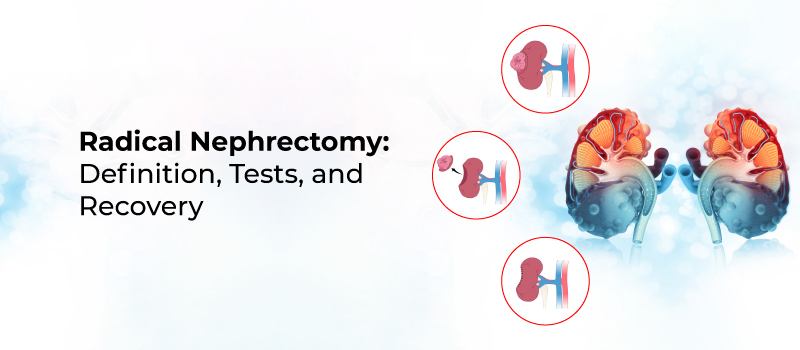
The radical nephrectomy procedure is a major surgical procedure primarily used for treating kidney cancer. This procedure entails the removal of the entire kidney, along with the adjacent fat, lymphnodes and adrenal gland, to effectively manage or get rid of the disease.

Understanding the different types, procedures, and post-operative care associated with radical nephrectomy procedures is important for patients facing this kind of operation. In this in-depth article, we will explore what nephrectomy is, the differences between left and right radical nephrectomies, required pre-surgical assessments, and the recovery process to help patients as well as their families prepare for what to expect later on.


Understanding Nephrectomy

A nephrectomy is a surgical procedure to remove all or some part of a kidney. It can be performed for kidney cancer. When the whole kidney, along with part of the bladder, the ureters, and surrounding lymph nodes, are removed by the surgeon, the procedure is called radical nephroureterectomy.

We are sure your mind is thinking the following: What is nephrectomy? If your kidney is not functioning properly or you have kidney cancer, this procedure becomes an option. You can speak to the surgeon about whether you are a suitable candidate for the procedure.

Radical Nephrectomy Procedure

Radical nephrectomy can be conducted through different kinds of approaches, depending on the size as well as the location of the tumour, and, of course, the patient’s overall health. The two primary methods are the following:

  • Open Nephrectomy: In this traditional form of surgery, the surgeon makes a large incision in the abdomen or the side of the body, allowing access to the kidney to remove it along with other parts if needed.
  • Laparoscopic or Robotic-Assisted Nephrectomy:The world is getting advanced. This type of procedure is a minimally invasive approach where the surgeon makes many tiny incisions and uses special instruments and a camera to guide the procedure. Recovery time will be shorter, and there will be less bleeding too. Robotic assistance boosts precision, flexibility, and control during the surgery.

What Is Left Radical Nephrectomy?

left radical nephrectomy involves the removal of the left kidney along with some of the surrounding structures. This surgery may be required if there’s a large tumour in the left kidney of the patient or other major issues affecting its function. The surgery’s complexity may depend on the size of the tumour. You can speak to the surgeon to see if you are suitable for the left radical nephrectomy.

What Is Right Radical Nephrectomy?

This one is similar to the left side. A right radical nephrectomy involves the removal of the right kidney. This particular approach and risks are comparable to those of the left one, but special attention is required for the liver, duodenum and vena cava, which are very close to the right kidney.

The right radical nephrectomy can get complicated, so make sure you have an experienced surgeon by your side.

What Tests To Do Before Radical Nephrectomy?

Before a radical nephrectomy procedure, many tests are essential to ensure the patient’s overall health and to prepare for the big surgery:

  • Get Imaging Tests: These might include ultrasound, CT scans, and MRI to provide comprehensive images of the kidney and all the surrounding structures.
  • Get Blood Tests: Elaborate tests to check kidney function and the overall health of the patient.
  • Get Cardiopulmonary Tests: To ensure the heart and lungs can go through the surgery. Not everyone can get this procedure done.
  • Get Biopsy: Occasionally, a biopsy is performed to figure out the nature of the kidney mass.

Recovery from Radical Nephrectomy: How Hard Is It?

Recovery varies depending on the type of surgery performed. For open nephrectomy, recovery can be much more prolonged as well as painful, with a longer stay at the hospital.

Patients might need a few weeks to recover fully. On the other hand, laparoscopic or robotic-assisted procedures may allow for shorter and quicker hospital stays and speedy recovery times. Pain management, wound care, and a gradual increase in physical activity are essential parts of the healing journey. But make sure you ask the surgeon about the post-operative healing time and what you need to do.

Post-Surgical Care: What Should You Do?

Post-surgery, patients will need regular follow-ups to monitor their kidney function and overall health. Lifestyle adjustments and possibly medication may be required to help the remaining kidney compensate for the loss of the other.

Summing Up

Radical nephrectomy is a major surgical procedure that can be life-saving for many patients with kidney cancers. While it involves a long recovery time and careful post-operative care as well, advancements in surgical techniques have improved outcomes and reduced the recovery timeline.

Still got queries? Don’t go anywhere; we have answered a few of your questions.

9 Easy Ways to Prevent Kidney Stones

Table Of Contents

  • Stay Hydrated
  • Limit Sodium Intake
  • Consume Dietary Calcium
  • Reduce Food with High Oxalate
  • Avoid Added Sugars
  • Eat Less Animal Protein
  • Consume a Healthy Diet
  • Consult with your Doctor

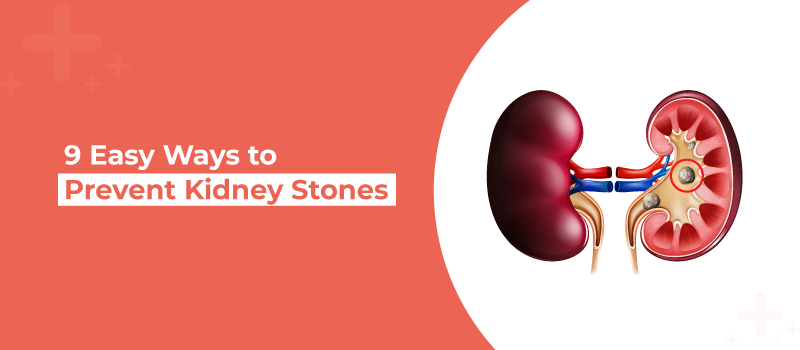
Kidney stones, also known as renal calculi, are a common kidney problem that affects many men and women. These stones are a result of mineral and salt deposits that crystallize in the kidneys, making them solid and difficult to pass through the urinary tract. It can lead to serious health issues, infection, kidney failure, and damage, affecting the quality of life.

It is important for you to know how to prevent kidney stones with preventive measures, including changing your diet and lifestyle. They can reduce your chances of developing kidney stones or preventing them from occurring again.

You can read this article to learn about easy ways to prevent kidney stones.

The 9 Easy Ways to Prevent Kidney Stones

The following are a few easy ways to prevent kidney stones —

Stay Hydrated

One of the efficient ways to prevent kidney stones is by drinking plenty of water to stay hydrated, along with fluids such as buttermilk, orange juice, lemonade, etc. It is recommended you drink around eight glasses or 3 litres of fluids every day to stay well-hydrated. This can make you urinate more to dissolve urine salts. An indicator of hydration levels is the colour and output of your urine. Clear, pale yellow, and plentiful urine indicates that you are adequately hydrated. Concentrated and dark urine in small amounts indicates the need to drink more water, as a lack of fluid intake leads to the formation of kidney stones.

Limit Sodium Intake

Sodium or salt is a culprit that causes kidney stones. It retains water and causes dehydration, one of the causes of the formation of these stones. It is necessary to limit the intake of sodium-rich foods to prevent kidney stones. The American Heart Association recommends that adults should consume no more than 2,300 milligrams per day, which is around a teaspoon of salt. Foods with high salt content you need to stay away from include processed food, fast food, condiments, canned vegetables and soup, pickles, and so on. It is necessary to read the labels carefully to reduce food that contains items with sodium, such as monosodium glutamate, sodium bicarbonate, baking soda, baking powder, etc.

Consume Dietary Calcium

One of the common types of kidney stones is calcium stones, caused by high levels of calcium and oxalate in the urine. Many assume that calcium is the sole reason for the formation of these calcium-oxalate stones, which makes them limit the consumption of calcium in their diets. Calcium oxalate is a common aspect of kidney stones. However, a diet with low calcium increases the chances of developing stones and leads to other health issues. You can consume a diet with adequate calcium intake and food options such as milk, cheese, yoghurt, and tofu.

Reduce Food with High Oxalate

One kind of food to avoid during kidney stone is oxalate-rich food. The oxalate bonds with the calcium in the urine and leads to the development of calcium oxalate stones. Limiting the consumption of foods high in oxalate can reduce the chances of kidney stones forming. Some oxalate-rich foods you need to limit are spinach, chocolate, coffee, nuts, tea, berries, beetroot, peanuts, sweet potatoes, wheat bran, rhubarb, soy products, etc. Eating calcium along with oxalate-rich food can make it difficult for kidney stones to form, as these two compounds bind together in the digestive tract before reaching the kidneys.

Avoid High Doses of Vitamin C Supplements

Avoid high doses of vitamin C supplements, especially if you have a history of calcium oxalate stones. While Vitamin C is a vital nutrient for the body, it can increase the risk of kidney stones when consumed in high doses, around 1000 mg or more every day. This can increase oxalate production in your body and lead to calcium oxalate stones. The recommended doses are 75 mg for adult women and 90 mg for men. You can consume Vitamin C from food, which is considered safer than supplements, as it does not carry the same risk of increasing the chances of kidney stones.

Avoid Added Sugars

Avoid added sugars found in processed food, sugary drinks, and juices. The consumption of added sugar is a risk factor with negative impacts on health. It can lead to the development of kidney stones, as it makes the body produce less urine volume and increases calcium in the urine. The recommended added sugar consumption per day is six teaspoons for women and nine teaspoons for men. You can check the labels of food products to know how much sugar is added while making an effort to switch to alternatives for food that contain less sugar.

Eat Less Animal Protein

Eat less animal protein, such as eggs, poultry, fish, beef, chicken, and pork. Consuming too much animal protein leads to an increase in uric acid levels, oxalate, and calcium in your urine. The build-up of uric acid in the urine will settle and lead to kidney stones. While some form of protein is required every day, you can include other alternatives and reduce the consumption of animal protein. You can opt for other sources of protein, such as legumes, beans, lentils, etc., which are plant-based and low in oxalate.

Consume a Healthy Diet

A healthy diet with increased intake of fruits and vegetables can help reduce the risk of kidney stone formation. Along with the diet, limiting processed food, fast food, added sugars, sodium, and other healthy food habits can result in effective prevention. Our experienced team of doctors at the Asian Institute of Nephrology and Urology (AINU) provides dietary counselling and nutrition planning to reduce the risk of kidney stones, especially from recurring after the initial stone is removed. A proper diet is one of the preventive measures we recommend, encouraging you to make healthy adjustments.

Consult with your Doctor

If you are currently on prescribed medications, it is important to consult with your doctor to discuss alternative options and whether they can be continued. Some over-the-counter medications can increase the risk of and cause kidney stones. Your doctor can prescribe the required medications based on your symptoms for effective pain management. At the Asian Institute of Nephrology and Urology (AINU), our skilled doctors provide consultations to discuss the best treatment options for your specific case and kidney stone precautions. AINU’s Stone Treatment Center focuses on prevention and surgical treatments to remove these stones and reduce the chances of them occurring again.

Conclusion

If you want to know how to avoid kidney stones, following these 9 ways is the best place to start. The extent of prevention isn’t guaranteed, but these methods can significantly reduce the risk of kidney stones in men and women. Making changes to your diet is one of the easiest ways to prevent the development of kidney stones. These changes can positively impact your health when combined with other diet and prevention measures.

Book an Appointment