

Paediatric PCNL for Kidney Stones: A Parent’s Guide from AINU Hospital

Table Of Contents

  • What Is PCNL Surgery for Children?
  • How PCNL Surgery for Children Works
  • The Best Hospital for Pediatric PCNL
  • Conclusion

Living busy lives, following unbalanced lifestyles, and being surrounded by polluted environments and consistent irritants has led children to develop ailments like kidney stones, which were unheard of (in children) a few years ago. Where some small stones are passed naturally, bigger ones may require surgical treatment such as PCNL surgery for children. This is a minimally invasive surgical procedure that helps eliminate stones from children’s kidneys and is highly effective.

What Is PCNL Surgery for Children?

Percutaneous nephrolithotomy surgery, abbreviated as PCNL, is a procedure used for removal of large kidney stones. It is a minimally invasive treatment option and is suitable for children also. The procedure involves making a tiny cut or incision on the back. Through this cut, a narrow tube is inserted into the kidney, and with the help of a small endoscope and energy source like laser , the kidney stones are broken and extracted. Since the incision made is very small, post-procedure recovery is relatively faster, with minimal pain and scarring afterwards. In fact, the time to recover fully is also minimized.

The procedure is used for treating large kidney stone burden in children because, in these situtaions, medications typically prove to be unhelpful. However, for smaller and uncomplicated stones, conservative and non-surgical treatments are still used. The use of paediatric PCNL for kidney stones also comes with a high stone free rate, going up to 95% for children, enabling them to make quick recoveries and return back to their normal lives in roughly a week.

Apart from PCNL, there are many other treatment options of a non-surgical nature to address kidney stone removal in kids. These include methods like:

  • Conservative management systems, which include increasing the intake of fluids to flush out the stones, changing the diet by minimizing intake of salt and oxalate-rich foods, and prescribing medicines that help regulate pain and enable smooth passing of the stones.
  • Another method used to treat kidney stones in children includes ESWL, or extracorporeal shock wave therapy, which sends shock waves into the kidney for breaking down the stone into tiny fragments that can be passed naturally. However, this treatment path can require multiple sittings.

However, it must be remembered that these pediatric kidney stone treatment options are only suitable for smaller stones, while PCNL is suitable for treating larger kidney stones.

How PCNL Surgery for Children Works

The PNCL surgery is a relatively simple treatment procedure that is performed in a step-by-step manner. In this section we will understand these steps, which help ensure that the treatment goes on smoothly, with minimal discomfort to the child and maximum potential for success.

Pre-Surgery Assessments

Before the surgery is performed or even recommended, the doctors will assess the child’s condition to chart the ideal path of treatment. Pre-assessment tests, including imaging tests like CT scans, ultrasounds, and x-rays, are performed to find the position of the stones. Apart from these, blood testing and urine tests are performed for analysing kidney function and the potential for developing an infection. The doctors then share their findings with the family, suggesting the right course of treatment, and setting a schedule for the surgery where needed.

Performing Surgery

The minimally invasive kidney stone surgery for children process involves creating a small, roughly 1 cm incision on the back. Through this incision, a small endoscope is passed into the kidney by means of a thin tube. This endoscope offers visibility of the stone while laser or ultrasound energy is used in a targeted manner to break down the large stone into small pieces. These small pieces of the stone are carefully removed from the kidney. Thereafter, the endoscope and tubes are removed, and the incision is sutured with a single suture . A small ureteral stent,may sometimes be placed during the surgery for enabling the urine and small residual stone fragments to pass into bladder without hindrance.

Post-Surgery Recovery

After the procedure is completed, based upon the individual case scenarios, the doctors may recommend staying admitted to monitor recovery and healing. Post this period of recovery, the child will be discharged with the advice that they may experience some mild pain and discomfort for seven to ten days after which they can gradually return back to their normal activities.

Signs to Notice in Children

Parents with young children need to pay attention to some warning signs of kidney stones, which can help in ensuring the right care is provided at the right time. If your child experiences the following symptoms, consult a pediatric urologist at the earliest:

  • Persistent and recurrent pain in the abdominal area, sides, and back.
  • Presence of blood in urine
  • Recurring UTIs
  • Pain during urination

If your child complains about any of these symptoms, the best course of action is to get them tested by a pediatric urologist.

The Best Hospital for Pediatric PCNL

For parents, finding the best urology hospital for pediatric kidney stone treatment isof utmost priority to ensure their child gets the best care to take care of kidney stones. This is where we at AINU hospital come forward as the answer. With AINU hospital kidney stone treatment, your child is in safe hands as our paediatric urologists emphasize precision and empathy for a hassle-free treatment. Our team of pediatric urology specialists in India offers every child the chance to live their life to the fullest by carefully treating kidney stones with the utmost care. With extensive experience and a track record of successful procedures, our experts know how to best handle even the most sensitive of cases, ensuring your child experiences minimal pain and recovers quickly.

Conclusion

Kidney stones are an increasingly common concern among children due to a number of factors such as unbalanced and improper lifestyle habits, poor diets and inadequate fluid intake, among others. To treat this issue, timely intervention is essential by the right professionals, who can assess the severity of the kidney stones and recommend the right course of action to treat it. While in most cases the stone can pass out naturally, in cases where it is large, surgical procedures like PCNL may be needed.
Paediatric PCNL for Kidney Stones: A Parent’s Guide from AINU Hospital

Table Of Contents

  • What Is PCNL Surgery for Children?
  • How PCNL Surgery for Children Works
  • The Best Hospital for Pediatric PCNL
  • Conclusion

Living busy lives, following unbalanced lifestyles, and being surrounded by polluted environments and consistent irritants has led children to develop ailments like kidney stones, which were unheard of (in children) a few years ago. Where some small stones are passed naturally, bigger ones may require surgical treatment such as PCNL surgery for children. This is a minimally invasive surgical procedure that helps eliminate stones from children’s kidneys and is highly effective.

What Is PCNL Surgery for Children?

Percutaneous nephrolithotomy surgery, abbreviated as PCNL, is a procedure used for removal of large kidney stones. It is a minimally invasive treatment option and is suitable for children also. The procedure involves making a tiny cut or incision on the back. Through this cut, a narrow tube is inserted into the kidney, and with the help of a small endoscope and energy source like laser , the kidney stones are broken and extracted. Since the incision made is very small, post-procedure recovery is relatively faster, with minimal pain and scarring afterwards. In fact, the time to recover fully is also minimized.

The procedure is used for treating large kidney stone burden in children because, in these situtaions, medications typically prove to be unhelpful. However, for smaller and uncomplicated stones, conservative and non-surgical treatments are still used. The use of paediatric PCNL for kidney stones also comes with a high stone free rate, going up to 95% for children, enabling them to make quick recoveries and return back to their normal lives in roughly a week.

Apart from PCNL, there are many other treatment options of a non-surgical nature to address kidney stone removal in kids. These include methods like:

  • Conservative management systems, which include increasing the intake of fluids to flush out the stones, changing the diet by minimizing intake of salt and oxalate-rich foods, and prescribing medicines that help regulate pain and enable smooth passing of the stones.
  • Another method used to treat kidney stones in children includes ESWL, or extracorporeal shock wave therapy, which sends shock waves into the kidney for breaking down the stone into tiny fragments that can be passed naturally. However, this treatment path can require multiple sittings.

However, it must be remembered that these pediatric kidney stone treatment options are only suitable for smaller stones, while PCNL is suitable for treating larger kidney stones.

How PCNL Surgery for Children Works

The PNCL surgery is a relatively simple treatment procedure that is performed in a step-by-step manner. In this section we will understand these steps, which help ensure that the treatment goes on smoothly, with minimal discomfort to the child and maximum potential for success.

Pre-Surgery Assessments

Before the surgery is performed or even recommended, the doctors will assess the child’s condition to chart the ideal path of treatment. Pre-assessment tests, including imaging tests like CT scans, ultrasounds, and x-rays, are performed to find the position of the stones. Apart from these, blood testing and urine tests are performed for analysing kidney function and the potential for developing an infection. The doctors then share their findings with the family, suggesting the right course of treatment, and setting a schedule for the surgery where needed.

Performing Surgery

The minimally invasive kidney stone surgery for children process involves creating a small, roughly 1 cm incision on the back. Through this incision, a small endoscope is passed into the kidney by means of a thin tube. This endoscope offers visibility of the stone while laser or ultrasound energy is used in a targeted manner to break down the large stone into small pieces. These small pieces of the stone are carefully removed from the kidney. Thereafter, the endoscope and tubes are removed, and the incision is sutured with a single suture . A small ureteral stent,may sometimes be placed during the surgery for enabling the urine and small residual stone fragments to pass into bladder without hindrance.

Post-Surgery Recovery

After the procedure is completed, based upon the individual case scenarios, the doctors may recommend staying admitted to monitor recovery and healing. Post this period of recovery, the child will be discharged with the advice that they may experience some mild pain and discomfort for seven to ten days after which they can gradually return back to their normal activities.

Signs to Notice in Children

Parents with young children need to pay attention to some warning signs of kidney stones, which can help in ensuring the right care is provided at the right time. If your child experiences the following symptoms, consult a pediatric urologist at the earliest:

  • Persistent and recurrent pain in the abdominal area, sides, and back.
  • Presence of blood in urine
  • Recurring UTIs
  • Pain during urination

If your child complains about any of these symptoms, the best course of action is to get them tested by a pediatric urologist.

The Best Hospital for Pediatric PCNL

For parents, finding the best urology hospital for pediatric kidney stone treatment isof utmost priority to ensure their child gets the best care to take care of kidney stones. This is where we at AINU hospital come forward as the answer. With AINU hospital kidney stone treatment, your child is in safe hands as our paediatric urologists emphasize precision and empathy for a hassle-free treatment. Our team of pediatric urology specialists in India offers every child the chance to live their life to the fullest by carefully treating kidney stones with the utmost care. With extensive experience and a track record of successful procedures, our experts know how to best handle even the most sensitive of cases, ensuring your child experiences minimal pain and recovers quickly.

Conclusion

Kidney stones are an increasingly common concern among children due to a number of factors such as unbalanced and improper lifestyle habits, poor diets and inadequate fluid intake, among others. To treat this issue, timely intervention is essential by the right professionals, who can assess the severity of the kidney stones and recommend the right course of action to treat it. While in most cases the stone can pass out naturally, in cases where it is large, surgical procedures like PCNL may be needed.

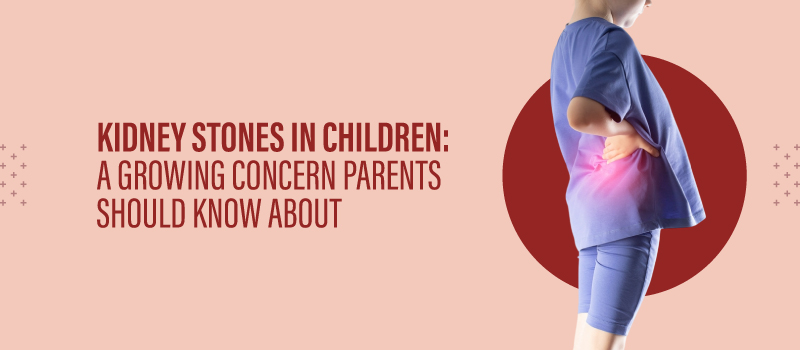
Kidney Stones in Children: A Growing Concern Parents Should Know About

Table Of Contents

  • What Is a Reconstructive Urology Procedure?
  • Common Types of Urology Reconstructive Surgery
  • What Is the Most Common Surgery for a Urologist?
  • What Is Reconstructive Bladder Surgery?
  • What Is the Success Rate of Bladder Reconstruction Surgery?
  • Pelvic Health Benefits of Reconstructive Urology
  • Why Choose the Asian Institute of Nephrology and Urology?
  • Frequently Asked Questions

When we think of kidney stones, we usually picture adults doubled over in pain. But did you know that kidney stones in children are becoming increasingly common? This condition, once rare in kids, is now being diagnosed more frequently in infants, school-aged children, and teens alike.

The rise in kidney stone cases has caught the attention of parents and healthcare professionals around the world. Diet, hydration, lifestyle, and genetic factors all play a role; and awareness is the first step in protecting your child’s health.

In this article, we’ll explore the causes, symptoms, diagnosis, and treatment options for kidney stones in children. You’ll also find answers to common questions, when to see a pediatric urologist, plus practical prevention tips you can start using today.

Can children get kidney stones?

Yes, children can absolutely develop kidney stones. Though once considered an adult-only issue, pediatric urologists now report an increasing number of cases each year. Children of all ages, from toddlers to teens, can experience stones in the kidneys or urinary tract.

Early diagnosis is important, as untreated stones can lead to infections, blockages, or long-term kidney damage.

What causes kidney stones in children?

There isn’t one single cause, rather, several factors can contribute:

  1. Dehydration: One of the most common causes. Many kids don’t drink enough water, especially during play or sports. Less fluid in the body means minerals and salts can crystallize in the kidneys, forming stones.
  2. Dietary habits: High salt intake, sugary drinks, processed foods, and too much animal protein all increase stone risk. Unfortunately, these are common elements in many children’s diets today.
  3. Family history: If a parent or sibling has had kidney stones, the chances rise significantly.
  4. Medical conditions: Certain metabolic issues (like hypercalciuria), urinary tract abnormalities, and chronic infections can predispose children to stone formation.
  5. Obesity: Excess weight is linked to a higher risk of kidney stones in children, as well as other urological problems.

What are the symptoms of kidney stones in children?

Recognizing the signs early can make all the difference. Watch for:

  • Sharp or cramping pain in the side, abdomen, or lower back
  • Blood in urine (pink, red, or brown color)
  • Nausea or vomiting
  • Frequent urge to urinate or pain while urinating
  • Restlessness, irritability, or discomfort (especially in younger children)
  • Fever or chills if infection is present

Not all stones cause pain right away. Sometimes the first sign may be blood in the urine during a routine checkup. If your child shows any of these symptoms, consult a pediatric urologist promptly.

How are kidney stones diagnosed in kids?

Pediatric diagnosis requires a gentle, child-friendly approach. The typical process includes:

  • Medical history & physical exam: This helps identify dietary risks, genetic links, or underlying conditions.
  • Urine tests: To check for crystals, blood, infections, and chemical imbalances.
  • Blood tests:These assess calcium, phosphorus, uric acid, and other markers linked to stone risk.
  • Imaging:Ultrasound is often the first choice because it avoids radiation. If more detail is needed, a low-dose CT scan may be used.

A skilled pediatric urologist can interpret the results and recommend the best course of action based on your child’s unique needs.

Are kidney stones in children dangerous?

They can be. While some stones pass naturally, untreated stones can lead to complications:

  • Pain and discomfort
  • Urinary tract infections
  • Blockage of urine flow, which can damage the kidneys
  • Recurrent stones if prevention isn’t addressed
  • Chronic kidney disease (rare, but possible with repeated untreated stones)

The good news? With prompt care and good follow-up, most kids recover fully. Seeing an experienced pediatric urologist ensures that your child’s kidneys stay healthy and strong.

How are kidney stones in children treated?

Treatment depends on the size, type, and location of the stone, and on your child’s age and overall health. Options include:

  • Increased fluids: Encouraging your child to drink plenty of water helps flush out small stones naturally.
  • Pain management: ver-the-counter pain relievers may be recommended during stone passage.
  • Medical therapy: In some cases, medications can help dissolve certain types of stones or prevent new ones from forming.
  • Minimally invasive procedures:

    Extracorporeal Shock Wave Lithotripsy (ESWL) uses sound waves to break stones into smaller pieces that can be passed more easily.

    Ureteroscopy involves using a small scope to locate and remove or break up the stones.

    Percutaneous nephrolithotomy may be used for larger or complex stones, through a tiny incision in the back.

The goal is always to relieve symptoms quickly while preserving kidney function, with as little discomfort and downtime as possible.

How to prevent kidney stones in children?

Once a child has had one stone, they are more likely to develop another. Prevention is key! Here’s what parents can do:

  • Promote good hydration: Water is the best drink, sugary sodas and juices can make things worse. Teach kids to drink regularly throughout the day.
  • Encourage a balanced diet: Low-sodium, high-fiber meals with fruits and vegetables help prevent stone formation.
  • Limit salty, processed, and high-oxalate foods (like chips, fast food, spinach, and chocolate) when needed.
  • Promote a healthy weight and active lifestyle:Obesity is a risk factor.
  • Stay on top of medical follow-ups: Regular check-ins with a pediatric urologist help monitor kidney health and catch any new issues early.

Why choose the Asian Institute of Nephrology and Urology?

When your child’s health is at stake, you want the best care possible. The Asian Institute of Nephrology and Urology (AINU) offers expert treatment for kidney stones in children, led by a team of experienced pediatric urologists. Our child-friendly approach, advanced technology, and compassionate staff ensure your little one is in good hands, from diagnosis to recovery.

If your child shows signs of kidney stones or has been diagnosed already, don’t wait. Book an appointment with our specialists today, early action can protect your child’s kidney health.

Frequently Asked Questions

1. Can children get kidney stones?

Yes, kidney stones in children are increasingly common today, especially due to dehydration and poor dietary habits.

2. What causes kidney stones in children?

They can be caused by lack of water, poor diet, genetics, certain medical conditions, and obesity.

3. What are the symptoms of kidney stones in children?

Common signs include abdominal pain, blood in urine, nausea, and pain when urinating.

4. How are kidney stones diagnosed in kids?

Doctors use urine and blood tests, along with imaging (typically ultrasound), to identify kidney stones.

5. Are kidney stones in children dangerous?

If untreated, they can lead to infections or kidney damage. With proper care, most cases are resolved safely.

Book an Appointment