

Dr. Ashwin Shekar P
Consultant Pediatric & Transitional Urologist
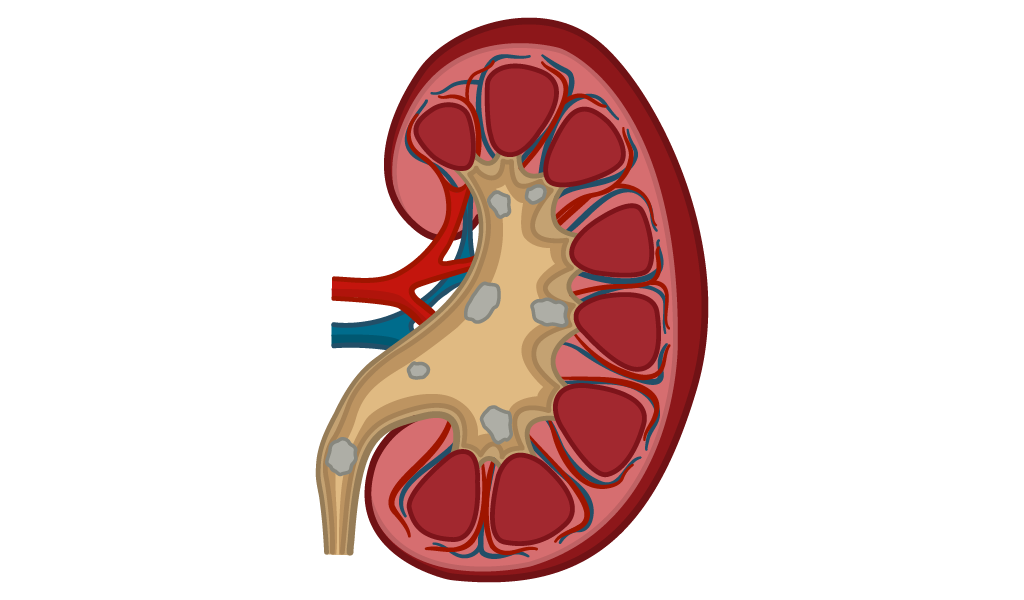
Kidney stones are hard mineral and salt deposits that form inside your kidneys when urine becomes too concentrated. These stones vary in size, from as small as a grain of sand to as large as a golf ball.
While smaller stones often pass through urine unnoticed, larger ones may block urinary flow, causing intense kidney stone pain, infection, or even kidney damage if left untreated.
Identifying the types of kidney stones is crucial for effective treatment and recurrence prevention.
Most common type (75% of cases)
More common in men
Infection-related stones
Rare inherited disorder
Understanding the root causes helps in both treatment and long-term prevention
The leading cause. Inadequate water intake concentrates urine and promotes crystal formation.
High intake of sodium, animal proteins, and oxalate-rich foods (spinach, nuts, chocolate) increases risk.
Weight gain can significantly raise your chances of kidney stone formation.
Including urinary tract infections (UTIs), gout, hyperparathyroidism, and digestive diseases like Crohn's disease.
Diuretics, calcium-based antacids, and excessive vitamin D supplements can increase stone risk.
Genetic predisposition significantly increases the likelihood of kidney stone formation.
You might not notice anything until the stone moves. When it does, it can trigger symptoms that are hard to ignore.
Cramping pain in the back, side, lower abdomen, or groin
Blood in urine (hematuria), making urine pink, red, or brown
Frequent and urgent need to urinate
Nausea and vomiting
Our advanced diagnostic methods ensure accurate detection and analysis
Comprehensive treatment options tailored to your condition
For small stones:
Non-invasive stone breaking:
Minimally invasive removal:
Advanced
All procedures at AINU Hospitals are performed by experienced urologists with the aid of advanced laser technology, ensuring faster recovery, minimal discomfort, and high success rates.
After treatment, our team focuses on prevention with a personalized plan
AINU's dietitians and urologists work closely to create tailored preventive care plans. Prevention is especially important for those prone to recurrence.
Meet Our Expert Doctors
Consultant Pediatric & Transitional Urologist
Senior Consultant Nephrologist & Transplant Physician
Senior
Consultant Nephrologist & Transplant Physician
Expert Explains Symptoms,causes And CureExpert Explains Symptoms,causes And Cure
Read More
Our team's latest discovery in cancer research
Read More
Kidney cancer, often dubbed a "Silent Killer" isKidney cancer, often dubbed a "Silent Killer" is
Read More
Expert Explains Symptoms,causes And CureExpert Explains Symptoms,causes And Cure
Read MoreFrequently Asked Questions
Get answers to common questions about urological care, treatments, and our services.
Kidney stones are hard, crystalline mineral deposits that form inside the kidneys. They develop when certain substances in the urine, like calcium, oxalate, and uric acid, become concentrated and crystallize. These stones can vary in size, from tiny grains to larger stones that may block the urinary tract and cause discomfort
Kidney stones form due to a combination of factors including dehydration, high intake of certain minerals (like calcium or oxalate), dietary habits, obesity, certain medical conditions, and genetic predisposition. When urine becomes too concentrated, minerals stick together and form stones. Lack of fluids and specific dietary choices are common causes.
Common symptoms include severe pain in the back or side (often called renal colic), pain during urination, frequent urge to urinate, blood in the urine (hematuria), nausea, vomiting, and cloudy or foul-smelling urine. Sometimes, small stones may pass without symptoms, but larger stones can cause intense discomfort.
Diagnosis typically involves a detailed medical history and physical examination, followed by imaging tests such as ultrasound, X-rays, or CT scans to locate and measure the stones. Urine and blood tests may also be done to check for infections or underlying causes.
Treatment depends on the stone size, location, and symptoms. Small stones often pass naturally with increased hydration and pain management. Larger stones or stones causing blockage may require medical procedures like extracorporeal shock wave lithotripsy (ESWL), ureteroscopy, or percutaneous nephrolithotomy.
Passing a kidney stone can take anywhere from a few days to a few weeks, depending on the stone’s size and location. Smaller stones (less than 5mm) typically pass within days with proper hydration, while larger stones may require medical intervention
Some discomfort or pain is common during stone passage or certain treatments. Our hospital uses advanced pain management techniques to minimize discomfort. Procedures like ESWL or ureteroscopy are generally well-tolerated with minimal pain, and recovery times are quick.
revention includes drinking plenty of water daily to keep urine diluted, reducing salt and oxalate-rich foods, limiting animal protein, and maintaining a balanced diet. Your doctor may also recommend specific medications if you are prone to recurrent stones.
Seek medical attention if you experience severe pain that doesn’t improve with painkillers, blood in urine, fever and chills (which may indicate infection), difficulty urinating, or if you have a history of kidney stones and symptoms return. Early diagnosis and treatment can prevent complications.