
Future of Robotic Surgery_ Advancements and Opportunities

Table Of Contents

  • The Future of Robotic Surgery: Advancements and Opportunities
  • What is robotic surgery?
  • When and why is robotic surgery performed?
  • Advancements in Robotic Surgery: A Beginner’s Guide
  • The Future of Robotic Surgery
  • Wrapping It Up

The Future of Robotic Surgery: Advancements and Opportunities

In recent times, the technological advancement in the medical world has been rapid and revolutionary. Robotic surgery is one of the most unique and extraordinary innovations in health and wellness. As the name suggests, robotic surgery is a surgical procedure wherein mechanical arms are controlled by a surgeon for surgical maneuvering. In this post, we will check the A to Z of robotic surgery, including its future, advancements, and other nitty-gritties.

What is robotic surgery?

Robotic or robot-assisted surgery, is a medical procedure that enables doctors to perform various complex surgeries with precision, flexibility, and control. The first robotic surgery was performed in 1985 by the PUMA 560 for neurosurgical biopsies. Thereafter, the mechanism has evolved and is utilized in an array of surgical specialties, especially in urology.

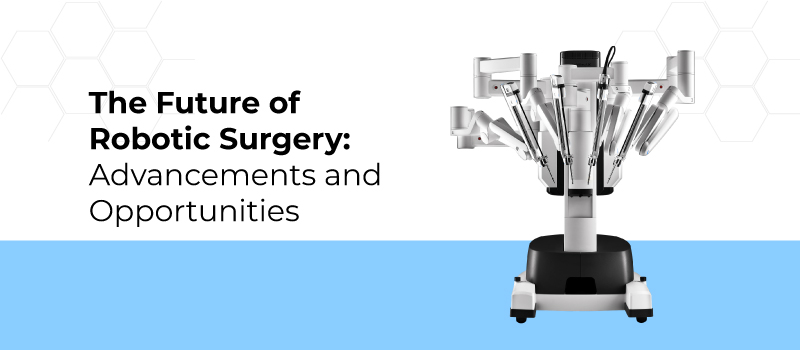
It is essential to note that robotic surgery is mostly linked to minimally invasive surgeries, which are performed through tiny incisions. It often serves as an alternative method for specific open surgeries. The most typical and widely prevalent clinical robotic surgical system encompasses a camera arm and mechanical arms with surgical instruments attached to them.

The surgeon controls the arms while seated at a computer device (console) near the operation table. The console offers the surgeon a high-definition, magnified, and 3D view of the surgical site. The head surgeon leads other team members at the patient side who also assist during the operation.

When and why is robotic surgery performed?

Despite having a fairly short history, robot-assisted surgeries have gained immense popularity worldwide. The technique is preferred because it enhances precision, flexibility, and control during an operation and enables the surgeon to better see the site as compared to conventional methods. Robotic surgery allows surgeons to perform delicate and complicated procedures that may be incredibly challenging or impossible with other strategies.

Many conditions have been successfully addressed and treated with robotic-assisted surgeries in Uro-oncology.

These include:

  • Partial Nephrectomy – Surgical removal of the tumor of kidney while preserving the healthy part
  • Robotic Prostatectomy – Surgical removal of cancerous prostate.
  • Robotic radical cystectomy – Surgical removal of cancerous bladder.

Now that we know about the basics, let us gauge the future of robotic surgery and the interim advancements.

Advancements in Robotic Surgery: A Beginner’s Guide

In recent years, the realm of robotic surgery has witnessed phenomenal advancements, such as:

  • The Da Vinci System

Intuitive Surgical’s Da Vinci Surgical System is a popular and helpful invention. It has been used in more than 5 million surgeries worldwide and continues to evolve rapidly. The updated versions of the system, the Da Vinci X & Xi, were designed and devised to be more versatile and easy-to-use than its erstwhile counterpart.

The Future of Robotic Surgery

The future of robotic surgery is quite bright. We can expect further advancements in the field. Some experts even suggest that robot-assisted surgeries and procedures will become the norm in the near future. Likewise, with more interest in the domain, robotic surgical systems are bound to become more accessible and affordable.

Some tangible predictions for the upcoming years are:

  • Increased availability and affordability

    As robotic surgery becomes more ubiquitous, robotic surgical machines will become more accessible and budget-friendly. Such as decrease in costs will ensure that everyone receives the right kind of treatment and that global parity is achieved in health and technology.

  • Microsurgeries and Miniaturization of Robots

    The robots performing surgeries are bound to become smaller and more precise. Their ability to perform surgeries on delicate parts of the human body with greater accuracy and minimal invasiveness will increase. For instance, human testing of a robot performing a ‘super microsurgery’ or surgery of 0.3 to 0.8 mm vessels is currently underway. If the trial is a success, robots will be able to repair and mend microvasculature with higher precision and speed.

  • AI Integration

    Quite understandably, artificial intelligence’s mushrooming and integration will continue in robotic surgical mechanisms. In due course, the autonomy and accuracy of these methods will also increase.

  • Haptic Feedback

    Advancements in haptic technology will enable surgeons to feel and manipulate tissues in real-time. Thus, the precision and humaneness of robotic-assisted surgery will be further bolstered.

The Top Benefits of Robotic Surgery

Let us wrap up the post by checking out some of the benefits of robotic surgery. These include:

  • Fewer complications, such as surgical site infections
  • Less blood loss
  • Less pain and discomfort
  • The surgeon has a greater range of motion and dexterity.
  • The surgeon is equipped with a highly magnified, 3D, and high-resolution view of the operating site.
  • smaller and less noticeable scars
  • Shorter hospital stays
  • Quicker recovery
  • Fewer blood transfusions
  • Fewer complications during surgery
  • The surgeon has better access to the deeper area being operated on.

Wrapping It Up

So, there we have it: a quick overview of what robotic surgery is, its advancements, and what we can expect in the future. Robotic surgery comes with several benefits and minimal risks. However, if you are interested in the procedure, it is crucial to know when to consult a doctor. He or she will advise you on the optimal technique.
Impact of Robotic Surgery on Prostate Cancer Treatment

Prostate cancer isn’t something anyone expects to deal with, yet it affects millions of men worldwide. It’s common, especially in older men, and once it shows up, it changes the way people think about their health. If you’ve just heard the word from your doctor or you’re looking into options for someone you care about, you’re probably sifting through a ton of treatment terms. Surgery, radiation, therapy, and something that keeps robotic surgery. Robotic surgery is changing how prostate cancer is treated. People who once had to go through painful, long recoveries are now walking out of hospitals faster and feeling better. For those looking for the best prostate cancer treatment, this is a development worth paying attention to.

What Is Robotic Surgery in Prostate Cancer?

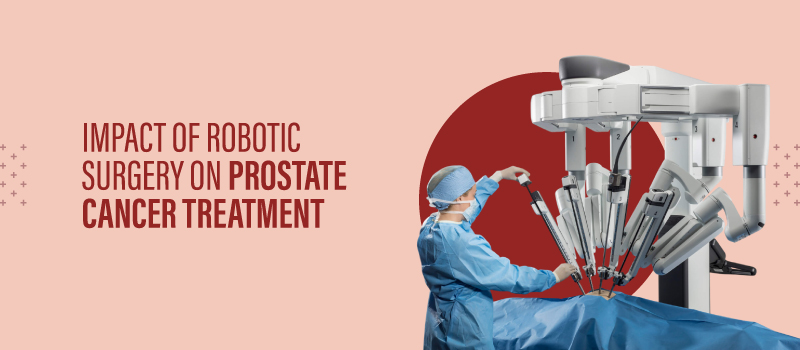
Robotic surgery in prostate cancer doesn’t mean a machine operates on its own. Every movement is guided by the surgeon, who controls the robotic arms from a high-tech console. These arms are designed to be smaller and more precise, allowing delicate procedures to be performed through tiny incisions instead of large cuts. For someone with prostate cancer, that makes a huge difference. It improves the chances of removing the cancer effectively while helping preserve vital functions such as bladder control and sexual health. And cities like Hyderabad have some of the best centers for this. If you are looking for a robotic surgery doctor in Hyderabad, there are specialists performing these procedures every day.

Why More Patients Are Choosing Robotic Surgery

Why are so many men leaning toward robotic surgery in prostate cancer care these days? Let’s look at what’s working.

Greater Accuracy in Surgical Procedures

This one’s straightforward. The robotic arms don’t shake. The camera gives a close-up, 3D view that’s much better than the naked eye. So, when the surgeon makes a move, it’s clean, precise, and focused only where it needs to be. That matters a lot. Because in prostate surgery, damaging the wrong nerve can lead to problems you don’t want. Accuracy means better outcomes.

Smaller Incisions and Less Scarring

Open surgeries used to involve big cuts. Long scars, longer healing, more pain. But with robotic surgery, it’s more like a few tiny entries instead of one big opening. That means fewer stitches, less scarring, and usually less bleeding. If you’re the kind of person who wants to heal fast and not carry a reminder forever, this might be the better option for you.

Faster Recovery and Reduced Pain

One thing patients often say is, “I didn’t expect to be back on my feet so quickly.” That’s the beauty of robotic surgery; smaller wounds mean less trauma, and less trauma means your body bounces back faster. Within a couple of weeks, many people are already moving around comfortably. Some even get back to light work or walking routines faster than they expected. Your life doesn’t stop just because of surgery.

Lower Risk of Complications

Let’s be honest, no surgery is 100% without risk. But with robotic surgery, the risks tend to be lower. With a skilled hand at the console and robotic tools doing the job with finesse, you’re looking at fewer infections, reduced bleeding, and fewer issues during recovery. For those searching for the best prostate cancer treatment, that kind of peace of mind is priceless.

Choosing the Right Surgeon Matters

Here’s something important: no matter how good the technology is, it’s only as good as the person using it. You need someone who knows what they’re doing, someone who’s performed a lot of these and knows the machine like the back of their hand. That’s why people go looking for the best robotic surgeon for prostate cancer. Experience, success rates, and patient reviews all matter. In Hyderabad, there are many top-rated doctors who perform robotic surgery regularly. Finding a well-reviewed robotic surgery doctor in Hyderabad could be the difference between a smooth recovery and a stressful one.

What to Expect After Robotic Surgery

Post-surgery, you won’t be in the hospital for too long. A day or two, typically. There’s a catheter involved, yes, which is not the most comfortable thing, but it’s temporary. Within a week or so, most men are back home and slowly building up energy. Follow-ups are key. Your doctor will check PSA levels to make sure everything’s going well. With time, the concentration shifts to healing fully and getting back to normal life, whatever that looks like for you.

Why Patients Choose AINU for Prostate and Kidney Care

The Asian Institute of Nephrology and Urology (AINU) is one of the top super-specialty hospitals in India for kidney and urology. Since 2013, we have earned the trust of thousands by providing quality care with compassion. Our NABH accreditation in just 2 years is a testament to our commitment to clinical excellence. We are famous for our robotic surgery expertise and offer solutions for prostate cancer and related conditions. With some of the best robotic surgeons for prostate in India and fully equipped operation rooms, We provide precise and minimally invasive treatments with excellent outcomes. Our urology and nephrology departments work together to provide complete care from complex endoscopic procedures to advanced dialysis support. We have centers in Hyderabad, SecunderabadVizagSiliguri, and Chennai, so world-class care is just a step away. At AINU, your health is in safe hands.

AINU has dedicated Uro-Oncology team who focus on Oncological principles and provide holistic care

Final Thoughts

At the end of the day, robotic surgery is more than just a high-tech tool. It’s helping men get treated with fewer side effects, more precision, and a better shot at a full recovery. If you’re at that crossroads, wondering what to do next, it’s okay to research and learn more about it. Ask your doctor questions. Meet our best robotic surgeons in Hyderabad. Talk to someone who’s been through it. Most of all, remember this: the goal isn’t just survival; it’s quality of life. And with the right help, the best robotic surgeon for prostate cancer, and the best care team, you’re not walking this road alone.

Regular, Periodic tumor board discussions are conducted for comprehensive care and consensus management discussion on complex Urological problems.

Book an Appointment