
Kidney Disease: Overview of Symptoms and Treatment


Kidney disease rarely announces itself clearly. It tends to slip into daily routines in small, confusing ways. Someone feels more tired than usual and assumes it is work; ankles looks swollen ,early morning facial puffiness. There might be changes in urination that feel like a temporary change, so they are ignored. The body does not show clear warning signs, and that is part of what makes this illness hard to understand. It often lives in the background for a long time, quietly shaping how the body feels before anyone realizes what’s happening.

What People Notice Before They Worry

Most people don’t start by thinking something is wrong with their kidneys.The early signs of kidney diseasetend to look like ordinary discomforts: easy fatiguability changes in the urinary pattern ,trouble concentrating, or a dull sense that the body feels heavier than it used to. When kidney disease symptoms show up this way, they don’t feel urgent; they feel vague.

That vagueness can be unsettling later, when someone looks back and realises how long the body had been trying to speak. As the condition deepens, the signs of kidney disease become harder to ignore. Shortness of breath, nausea, or foamy urine begins to interrupt normal days. For those living with chronic kidney disease, the changes often arrive so slowly that it is difficult to say when it began. The body adapts, and that adaptation can hide how serious things have become.

Understanding Causes Without Blame

When people first hear about the causes of kidney disease , the list can feel overwhelming. Diabetes, high blood pressure, infections, long term use of painkiller or alternative medication and genetics. Conditions like polycystic kidney disease complicate the story even more, because they are not caused by lifestyle or habits in any simple way. This is where many people struggle. There is a quiet urge to find a single reason, something to blame or fix. But kidney disease often comes from layers of things building over time. That reality is uncomfortable. It does not offer a clean explanation. It asks for patience instead.

The Question That Comes Up Too Late

For many people,Kidney diseaseis not discovered because something suddenly feels wrong. It is found when a routine blood test looks unfamiliar, when swelling lingers longer than expected, or when fatigue refuses to pass. Only then does the question surface: how long has this been happening?

Seeing a kidney specialist often marks a shift. Appointments bring more information, but not always immediate clarity. What follows is often a period of watching, retesting, and waiting; a stretch of time that can feel more unsettling than bad news itself.

At AINU Hospitals, this is often where we first meet patients. Across our centres, we focus on early recognition, careful evaluation, and clear conversations, so people understand what their kidneys are telling them before uncertainty turns into delay.

Treatment Is Not What People Imagine

There is an assumption that kidney disease treatment means aggressive action right away, like strong medications, big interventions, or something that feels decisive. In reality, treatment is often quieter than expected. It might involve adjusting blood pressure medication, changing how fluids are managed, or simply watching how the kidneys respond over time. What quietly works is consistency, showing up for lab work, taking medication even when symptoms do not change, and making small adjustments that feel almost pointless day to day. What people assume should work is usually faster and louder, like a single fix or a clear turning point. Kidney disease does not often offer that kind of relief. This is where we, at AINU Hospitals, take a measured and personalised approach. Our kidney and urology teams work together to guide treatment thoughtfully, helping patients move forward without fear or unnecessary intervention.

What Life Looks Like With Chronic Kidney Disease

The phrase chronic kidney disease sounds heavy. But most people continue working, cooking, caring for family, and making plans while adjusting to changes they cannot always predict. The chronic kidney disease symptoms can be unpredictable, which makes planning difficult. Fatigue may appear without warning. Appetite can shift. Sleep may become lighter or disrupted, even on days that otherwise feel normal. What weighs on many people is not only the symptoms but also the uncertainty that comes with them. It is hard to know which days will feel steady and which will not, or how quickly things might change. Some periods pass with little disruption. Others feel fragile. That uncertainty settles into daily life, shaping routines, decisions, and expectations, even when it is not spoken about openly.

Why Patients Trust AINU for Kidney and Urology Care

At AINU Hospitals, we believe treatment works best when it is both precise and personal. We bring together experienced urologists, nephrologists, and support teams who work closely to understand each patient’s condition in detail. Across our centres, we use minimally invasive techniques, advanced laser procedures, and modern diagnostic tools to manage kidney and urology concerns with care and accuracy. From early evaluation to long-term follow-up, we focus on clear communication and consistent support, so patients never feel rushed or unheard. Our infrastructure is designed to handle both routine and complex cases, backed by strong ICU support and strict infection control. More than outcomes alone, we value trust, comfort, and helping people regain confidence in everyday life.

Final Thoughts

What does not get discussed enough is how lonely kidney disease can feel. It is not always visible. It does not always come with pain that others can see. People may look fine while feeling deeply unwell. Explaining that contradiction takes effort, and sometimes it feels easier not to explain at all. Understanding kidney disease often comes slowly, through lived moments rather than clear instructions. It shows up in how someone learns to listen to their body differently, in how expectations shift, and in how patience becomes less of a virtue and more of a necessity. There is no neat ending to that process, just an ongoing attempt to make sense of what the body is doing now.

Understanding the Kidney Transplant Journey

Most people do not think about their kidneys until something goes wrong. They are quiet organs, doing their work in the background, filtering blood and balancing fluids without asking for attention.

When kidney failure enters the picture, it rarely arrives loudly. t often shows up through tiredness that does not disappear, swelling that feels odd, or lab reports that start to look unfamiliar. That slow buildup is part of what makes this issue confusing. People are already overwhelmed by the time the idea of kidney transplantation is mentioned. There is also fear attached to the word transplant. It sounds final and heavy, like a line has been crossed. Many people wonder if it means life will never feel normal again, or if it already means something has gone terribly wrong.

Why Kidney Transplant Becomes a Consideration

Dialysis keeps people alive, but it is demanding in ways that are hard to explain until someone lives with it. Hours disappear each week, energy shrinks, travel becomes complicated, and food becomes something to negotiate rather than enjoy.

At some point, doctors start talking about kidney transplantas another path, not necessarily an easy one, but a different kind of life. This is where people often struggle. Is a transplant really better, or are just different problems traded for new ones? That question lingers for a long time. It does not have a clean answer, because bodies respond differently and lives are shaped by more than medical charts. At AINU Hospitals, we see this moment as a turning point, not an end. We guide patients through understanding whether a kidney transplant truly fits their health, lifestyle, and long-term goals, without rushing the decision.

The Evaluation Feels Like A Test You Didn’t Study For

The kidney transplant evaluation process is long and, at times, quietly overwhelming. On paper, it is a series of tests, scans, blood work, and consultations. In reality, it can feel like being assessed not just medically, but personally. Every past infection, every habit, every relationship, and every support system is examined. That can feel intrusive, even unfair, especially when you are already exhausted from years of illness. This process exists to protect you and the donated kidney, to make sure the transplant has the best possible chance of lasting.

What Actually Happens During Surgery

The idea of transplant surgery sounds intense, but many people are surprised to learn that the old kidneys often stay where they are. The kidney transplant procedure involves placing the new kidney in the lower abdomen and connecting it to blood vessels and the bladder. It is major surgery, but not always in the way people imagine. Recovery is not instant. The body needs time to accept the new organ, and medications become a daily reality. Some people feel better quickly. Others need time. There is no single timeline that applies to everyone.At AINU Hospitals, we focus on making the transplant journey as clear and reassuring as possible, explaining each step so patients and families feel informed, supported, and prepared rather than overwhelmed.

Costs That No One Likes To Talk About

Money is an uncomfortable part of this conversation, but it is impossible to ignore. Kidney transplant cost includes surgery, hospital stay, medications, follow-up tests, and long-term care. Even when insurance or government programs help, families often feel the financial pressure. People are often confused about what is covered and what is not. The uncertainty can be as stressful. It is common to feel hesitant asking questions about money, even though it affects every decision.

Outcomes That Feel Both Hopeful And Fragile

Statistics get mentioned often, especially when people search for reassurance. Numbers like kidney transplant success rate in India can sound encouraging, and they often are. But success rates do not describe daily life. They do not show medication side effects, anxiety before lab reports, or the relief of drinking water without counting every sip. A transplant is not a cure. It is a treatment that needs care and attention. That reality can be disappointing for those who expect a clear finish line, but it can also feel manageable once it becomes familiar.

Adjusting To A Different Normal

After surgery, life slowly reshapes itself. Medications become routine. Clinic visits become less frequent but never disappear completely. People learn to watch for signs of rejection. What surprises many is how emotional the adjustment can be. Gratitude sits next to fear, and relief sits next to responsibility. It takes time to trust the body again.

Kidney Care at AINU Hospitals

At AINU Hospitals, we’ve built our kidney care around one simple belief: patients deserve clarity, continuity, and confidence at every stage. As a dedicated nephrology and kidney transplant centre, we bring together experienced nephrologists, skilled transplant surgeons, advanced diagnostics, and integrated dialysis and ICU support under one roof. With over 300 successful kidney transplants and more than a decade of focused expertise, we handle everything from early-stage kidney disease to complex, high-risk transplants. We stay involved long after surgery too, through personalised follow-up, ethical practices, and round-the-clock support, because long-term outcomes matter as much as the procedure itself.

Final Thoughts

Understanding kidney transplantation is not something that happens in one conversation or one article. What matters at the start is not always what matters later. People often begin focusing on survival and end up caring more about quality of life. This journey rarely moves in a straight line. It shows up as hesitation, changed plans, and moments of doubt alongside determination. Feeling unsure does not mean someone is unprepared or making the wrong choice. It usually means they are taking the decision seriously and paying close attention to what their life might look like after transplant.

Understanding Chronic Kidney Disease (CKD): Symptoms, Stages, and Treatment Options

People don’t usually think about kidneys until a doctor brings them up during routine tests, and suddenly the word “chronic” changes the whole tone of the conversation. Some feel completely normal and are shocked to learn their kidneys have been struggling silently for years. Others know something feels “off” but can’t explain it; they push through work, family, long days, and assume it’s just stress. Kidney disease isn’t dramatic at first, which might be why people miss early warnings until they become too loud to ignore. Understanding what is going on can make the experience less frightening and more manageable, especially once you realize there are ways to slow things down.

What Exactly Is Chronic Kidney Disease?

Chronic Kidney Disease (CKD) is a long-term condition in which the kidneys gradually lose their ability to filter waste, balance electrolytes, and regulate essential functions such as blood pressure and red blood cell production. By definition, CKD is diagnosed when there is kidney damage or a reduced glomerular filtration rate (GFR) that persists for more than three months.

What makes CKD particularly challenging is that this decline happens slowly and silently. In the early stages, the kidneys compensate remarkably well, so most people feel completely normal. Symptoms of kidney disease often appear only when the damage has already progressed; one reason CKD is called a “silent” disease. Some people hear “CKD” and immediately worry about dialysis, but kidney decline usually happens slowly, not overnight. Identifying these stages early allows for timely interventions, lifestyle changes, and treatments that can delay progression and protect remaining kidney function.

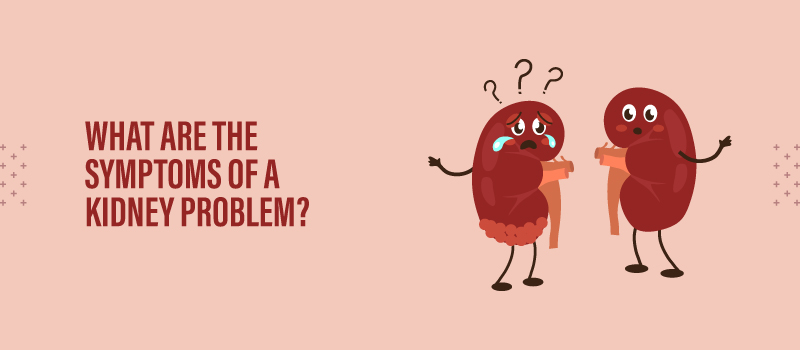
What are the Symptoms of a Kidney Problem?

Kidney Image

There isn’t a single universal warning, because many people develop chronic kidney disease (CKD) without any noticeable symptoms in the beginning. However, one of the earliest changes some people experience is persistent fatigue. Not the regular, “I stayed up late” kind, but a drained feeling that hangs around. Following are some of the common symptoms of kidney disease:

  • Persistent fatigue or tiredness
    A deeper, ongoing exhaustion caused by toxin build-up or early anaemia.
  • Swelling in the feet, ankles, or hands
    Fluid retention due to reduced kidney function.
  • Puffiness around the eyes, especially in the morning
    Often an early clue that the kidneys are leaking protein.
  • Dry, itchy skin
    Happens when waste products accumulate in the blood or when mineral balance is affected.

Because these symptoms are subtle and overlap with everyday issues, the safest way to detect kidney problems early is through simple blood (creatinine, eGFR) and urine tests rather than waiting for symptoms to appear.

How Do Chronic Kidney Disease Symptoms Appear?

Chronic Kidney Disease progresses slowly, and early symptoms are often subtle. For many, symptoms of kidney disease are almost like background noise. Nothing feels dramatic but something feels “off”, which is why CKD can go unnoticed for years. As kidney function declines, symptoms typically appear in stages:

Early or Mild Symptoms

  • Increased urination at night (nocturia)
  • Fatigue or sleep that doesn’t feel refreshing
  • Mild swelling around the eyes

Progressing Symptoms

  • Nausea or loss of appetite
  • Restless legs or numbness in the feet
  • Difficulty concentrating

Advanced Symptoms

  • Noticeable swelling in the legs, feet, or hands
  • Worsening fatigue due to anaemia
  • Persistent itching
  • Significant loss of appetite

The strange part is how ordinary these things sound, which is why they’re often ignored. Because these symptoms overlap with conditions like diabetes, heart disease, and high blood pressure, it’s often difficult to identify CKD based on symptoms alone. Regular blood and urine tests remain the most reliable way to detect kidney disease early.

What Causes Chronic Kidney Disease?

Chronic Kidney Disease usually develops due to long-standing conditions that damage the kidneys slowly over many years. The two most common causes are:

  • Diabetes – High blood sugar damages the filters (glomeruli) and is responsible for nearly 40–45% of CKD cases worldwide.
  • High Blood Pressure – Uncontrolled hypertension weakens and narrows the kidney’s blood vessels, accounting for another 20–25% of cases.

(Source: Saudi Journal of Kidney Diseases and Transplantation)

Other important causes include:

  • Genetic conditions, such as Polycystic Kidney Disease (PKD)
  • Autoimmune diseases, including lupus nephritis
  • Chronic glomerulonephritis
  • Long-term use of painkillers and certain medications (e.g., NSAIDs)
  • Repeated kidney infections (pyelonephritis)
  • Prolonged urinary obstruction, caused by kidney stones, prostate enlargement, or structural abnormalities

While lifestyle choices influence many risk factors, CKD often results from years of silent, cumulative damage. Understanding the cause helps shape chronic kidney disease treatment. Patients shouldn’t blame themselves, because CKD often results from years of silent damage before anyone even knew it existed.

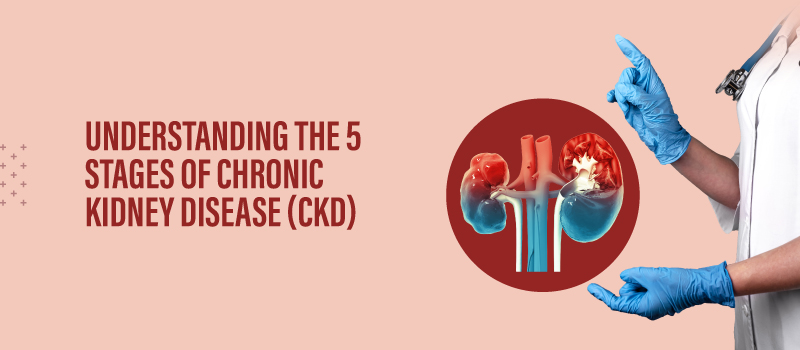
The 5 Stages Of Chronic Kidney Disease, Explained

Chronic Kidney Disease is classified into five stages using a measurement called eGFR (estimated Glomerular Filtration Rate); the number that reflects how much blood the kidneys filter each minute. Doctors look closely at these numbers, but for most people, they’re simply a way to understand how well their kidneys are functioning.

Stage 1: eGFR ≥ 90 (Normal kidney function with early signs of damage)

Kidney function appears normal, but there may be evidence of kidney damage such as protein leakage in the urine, structural abnormalities, or known risk factors like diabetes or hypertension. Most people feel completely well and only discover changes through routine health checks.

Stage 2: eGFR 60–89 (Mild decrease in kidney function)

The kidneys are still functioning reasonably well, and symptoms are uncommon. This is the stage where early changes in urine tests may appear. Doctors often focus on controlling blood pressure, blood sugar, and lifestyle factors, because targeted care here can significantly slow disease progression.

Stage 3a and 3b: eGFR 45–59 (3a) / 30–44 (3b)

This is the stage where CKD becomes more noticeable. Patients may begin experiencing fatigue, swelling in the legs or feet, muscle cramps, or changes in urination patterns. Stage 3b carries a higher risk of complications such as anaemia, bone-mineral disorders, and electrolyte imbalances. Regular follow-ups become essential.

Stage 4: eGFR 15–29 (Severely reduced kidney function)

Symptoms often become more prominent—loss of appetite, persistent swelling, sleep issues, or worsening fatigue. Doctors begin discussing future treatment options, including dialysis or kidney transplant evaluation, so patients are medically and emotionally prepared well in advance.

Stage 5: eGFR < 15 (Kidney failure)

At this stage, the kidneys are no longer able to support the body’s needs. Dialysis or kidney transplantation becomes necessary to maintain life. Even so, every individual’s journey with CKD is unique. With proper care, symptom management, and lifestyle support, many patients maintain stability for long periods.

How Is CKD Diagnosed?

Chronic Kidney Disease is diagnosed through a combination of tests repeated over time, because kidney function must show persistent changes, not just a one-time abnormal result. Doctors typically use:

Blood tests

  1. To measure serum creatinine and calculate the estimated Glomerular Filtration Rate (eGFR), which indicates how well the kidneys filter blood.
  2. To assess electrolyte levels, such as sodium and potassium.

Urine tests

  1. Urine Albumin-to-Creatinine Ratio (ACR) to check for protein leakage, one of the earliest signs of kidney damage.
  2. Routine urine analysis to detect infections or abnormalities.

Blood pressure measurement

High blood pressure is both a cause and consequence of kidney disease, so monitoring it is essential for diagnosis and staging.

Imaging tests (Ultrasound or CT scan)

Used when doctors suspect structural problems, blockages, stones, or congenital abnormalities.

A diagnosis of CKD is made when these tests show reduced kidney function or evidence of kidney damage that persists for at least three months. It’s rarely a dramatic, one-day diagnosis; it’s a careful, data-driven conclusion.

Chronic Kidney Disease Treatment Options

Treatment depends on the stage, cause, and the patient’s overall health. The goal is not to reverse existing kidney damage but to slow progression, manage complications, and protect the kidney function that remains.

Blood Pressure Control

Medications such as ACE inhibitors or ARBs are often used because they protect the kidneys and reduce protein leakage. Good blood pressure control is one of the most effective ways to slow CKD progression.

Managing Underlying Conditions

When diabetes or hypertension is the cause, strict control of blood sugar and blood pressure becomes central to treatment.

Treating Complications

Many people with CKD develop anemia, bone-mineral imbalances, or electrolyte disturbances. Treating anemia can reduce constant fatigue, while managing calcium–phosphate balance protects bone health.

Dietary Modifications

As kidney function declines, diet becomes more tailored; typically focusing on reducing sodium, moderating protein, and balancing potassium and phosphorus intake.

Dialysis or Kidney Transplant Evaluation

Dialysis is recommended not simply at Stage 5, but when the kidneys can no longer maintain fluid, electrolyte, and toxin balance, or when symptoms become difficult to manage. Early preparation ensures smoother transition if needed.

Good chronic kidney disease treatment focuses on protecting what kidney function remains rather than trying to undo what’s already lost. At this stage, we at AINU Hospitals ensure that every patient receives carefully designed care supported by advanced nephrology technology and expert specialists.

Lifestyle Changes That Help

Lifestyle isn’t a cure, but it influences how fast CKD progresses.

  • Lowering salt helps with swelling and blood pressure.
  • Your doctor may recommend adjusting protein intake so the kidneys don’t work as hard.
  • Exercise doesn’t need to be intense; walking daily can be enough.
  • Staying hydrated matters, though not everyone should drink the same amount.
  • Getting enough sleep gives the body time to repair and regulate key functions.
  • Managing stress helps keep blood pressure and inflammation under control.
  • Avoiding smoking protects blood vessels and slows CKD progression.

Managing CKD isn’t a perfect, disciplined routine, it’s a series of small decisions made repeatedly, even on tired days.

Why Early Kidney Care Matters and How AINU Hospitals Helps

At AINU Hospitals, we believe that understanding kidney health early can change a patient’s entire journey. Many people overlook small symptoms, but with the right guidance, problems can be identified long before they become serious. We offer advanced diagnostics, experienced nephrologists, and supportive care that helps patients feel informed rather than overwhelmed. Our goal is simple: help people protect their kidney function with clarity, timely intervention, and compassionate treatment. By combining modern technology with human-centered care, we ensure that every patient receives attention that genuinely makes a difference in their daily life and long-term health.

When Should You See A Kidney Specialist?

Anyone with abnormal tests, swelling, persistent fatigue, changes in urination, or difficult-to-control blood pressure should see a specialist. Early visits don’t mean the condition is severe; they simply provide better monitoring and clarity. Doctors can help patients make sense of chronic kidney disease symptoms, answer confusing questions, and plan long-term care. Waiting until symptoms are overwhelming makes everything harder. This is exactly where we at AINU step in, offering timely guidance and comprehensive evaluation so patients never feel lost or unsupported.

Conclusion

Kidney disease doesn’t announce itself in big ways, which is why so many people learn about it late. Understanding symptoms of kidney disease and recognizing how slowly the condition can move gives people a chance to respond instead of panic. CKD can’t always be reversed, but it can often be slowed, and that makes a real difference in daily life. People don’t lose control overnight. They adapt, learn, adjust treatment, and keep going.

How Stress Affects Urological Health

Table Of Contents

  • Stress and Your Health
  • Stress and Urinary Tract Infection (UTIs)
  • Stress and Frequent Urination (Overactive Bladder)
  • Worsening the Symptoms of Prostate Enlargement symptoms
  • Reduced Sexual Function
  • Stress and Kidney Stones
  • How To Improve Your Urological Symptoms
  • Conclusion
  • FAQs

Stress has become a common issue among people of all ages. And while it can severely impact your mental health, stress is also linked to increased risk of physical health issues. Stress causes an increase in the blood levels of Cortisol which is also known as ‘ Stress Hormone’, this inturn can affect your other hormones. In this post, we have explored the link between stress and urological health.

Stress and Your Health

Stress triggers fight-or-flight mode in your system. It’s a natural way for your body to deal with a challenging situation. While that’s alright for some unexpected, short-term issues, it can pose a risk to your physical and mental health if stress becomes a regular thing. In other words, chronic stress can disrupt your hormones and emotional as well as physical health in many ways.

From urinary incontinence to erectile dysfunction, stress can affect different parts of your urological health. Let us delve into some of the common conditions afflicting the urinary and sexual organs which have a direct or indirect association with your mental stress levels.

Stress and Urinary Tract Infection (UTIs)

A common question that crosses our mind is: Can stress cause a UTI? Stress isn’t directly linked to UTIs, but it does heighten the risk of a persistent and recurring infection. Stress affects your sleep cycle and can suppress your immune system.

Simply put, it affects your ability to fight off infections. Additionally, stress causes frequent urination, which may prevent people from drinking enough water and cause dehydration which is a predisposing factor for developing an UTI. These can make your bladder an ideal place for the bacteria to thrive. So, yes. It’s possible for someone with chronic stress to have frequent episodes of urinary tract infections.

Stress and Frequent Urination (Overactive Bladder)

Stress can increase the level of cortisol and adrenaline in your body, which may affect your bladder function. It makes your bladder more sensitive, leading to more frequent contractions. As a result, you might feel an urge to pee even when you have just used the restroom.

Stress causes an overactive bladder, which brings a range of unwanted and uncomfortable symptoms, like frequent urination, an uncontrollable urge to urinate, and, in some cases, leakage. People with stress are more vulnerable to develop an Overactive bladder and stressful periods tend to worsen the symptoms in people already struggling with an overactive bladder. It may become harder to control your urge to urinate often. That’s not the worst part. Stress can trigger incontinence, which can cause social embarrassment. This, in turn, increases your stress levels, making it a never-ending vicious cycle.

Worsening the Symptoms of Prostate Enlargement symptoms

Prostate , an organ of the male urinary system, is often a source of urinary symptoms in men , especially the elderly. Prostate enlargement can cause poor urinary stream , urinary incontinence, frequent urination especially at night, difficulty starting urination, and pelvic pain in men. These symptoms occur when your prostate has enlarged to the point that it presses against the bladder and urethra. Although stress doesn’t cause an enlarged prostate, it can aggravate the symptoms in men who already have it. Chronic stress can also cause prostatitis—an inflammation of the prostate gland which inturn can lead to urinary and sexual symptoms and lower abdominal and pelvic pain.

Reduced Sexual Function

Men with stress report sexual dysfunction, decreased libido, and inability to get and maintain an erection. This happens due to increased cortisol, which disrupts your sex hormones. Stress and anxiety induces an increase in the inhibitory signals from the brain to the sex organs which prevents one from achieving an erection. Additionally, urinary problems can interfere with your daily life and affect your emotional health, which, in turn, impacts your sexual function.

Stress and Kidney Stones

Now that we’ve established a link between urinary tract infection and mental health, the next important question is, can stress lead to kidney stones? Yes, they can develop over time but the causation is not direct . Chronic stress can cause dehydration, which plays a significant role in your risk of developing kidney stones. When your body is in escape or survival mode, it naturally suppresses your desire to eat and drink.

As a result, you might drink less water than recommended, leading to more concentrated urine. It also decreases your urine output, making the minerals in your urine more likely to bind together to form crystals. Stress is also associated with hypertension and weight gain, which can contribute to an increased risk of kidney stones.

How To Improve Your Urological Symptoms

Whether it’s reduced sexual function or urinary incontinence caused by mental stress, urological issues linked to chronic stress can be managed. Here are some tips that can help with stress and stress-induced urological issues.

  • Stay Hydrated: Drinking enough water is the first step to controlling most urinary issues. Hydration can prevent kidney stones and urinary tract infections. So, aim to drink at least 10 glasses of water a day, especially if you are stressed.
  • Keep yourself active: Physical activity can increase endorphins, which help with your mood and lower stress levels. You can take a short walk in a park, go swimming, or join a gym to increase the production of mood-boosting hormones. This can eliminate stress-related urological diseases.
  • Eat a Bladder-Friendly Diet: While you focus on stress, you must also pay attention to your diet, as eating bladder-irritating food can worsen your symptoms. Avoid caffeinated beverages, alcohol, energy drinks, and spicy foods. Anything that can cause dehydration or electrolyte imbalance must be avoided.
  • See a Counselor: Stress can sometimes lead to more serious mental health conditions, like anxiety and depression. If you can’t get rid of it or are too stressed to sleep, eat, and work like usual, it’s advisable to seek professional help. A counselor can help you identify the underlying cause of stress and give you tips for managing it. This can prevent urinary issues that are triggered due to stress.
  • Consult an Urologist: If you suspect you have developed an UTI or sexual dysfunction you can consider consulting an urologist especially when above lifestyle changes have not helped.

Conclusion

The connection between stress and urological symptoms might not look relevant, but stress is believed to affect your physical and mental health significantly. Stressed people experiencing urological symptoms should see a medical professional for personalized advice on managing stress and improving their urological health. You can see a specialized urologist at AINU to cope with stress-induced urinary incontinence, prostate problems, kidney stones, bladder issues, and UTIs. We are a team of professional uro-surgeons who can assist you in dealing with all kinds of kidney, bladder, and urinary tract problems.

Urinary Tract Infection (UTI): Symptoms and Causes.

  • Overview
  • Symptoms and Causes of UTI
  • Symptoms
  • Risk Factors
  • Complications of UTI
  • Diagnosis and Treatment
  • FAQs

UTI, or Urinary Tract Infection refers to the infection of any part of your urinary tract. It can be the kidneys, bladder, urethra, or ureter. The infection is mostly caused by the bacteria E. coli and can be treated with antibiotics. Women are more likely to develop UTIs as compared to men.

Although it’s treatable, the infection that spreads to the kidney and other parts of the urinary tract can cause a host of painful symptoms. Fortunately, the treatment is available, and there are steps you can take to mitigate the risk of developing the infection in the first place. In this post, we’ve shared everything you should know about urinary tract infection symptoms, the causes of UTI in women, how to prevent urine infection, and the available treatment. Let’s take a look.

Symptoms and Causes of UTI

Our urinary tract system produces urine to filter waste and excess fluid from the blood. Although the process usually doesn’t involve any complications, sometimes the bacteria can enter the urinary tract, causing urinary tract infections.

As mentioned above, a UTI is a bacterial infection caused by E. coli that enters your ureter and the bladder. There’s a risk of the infection reaching your kidneys through the bladder. Anyone can get a UTI, but women are at increased risk. The bacteria is found in large intestines, and since women have the anus close to the urethra, which is close to the bladder, there is an increased risk of the infection traveling from your anus to the urethral opening and ultimately reaching the bladder.

Symptoms

  • Lower abdominal and pelvic pain
  • Cloudy urine with a weird smell
  • Frequent and sudden urges to pee
  • Inability to hold urine
  • Pain or burning sensation when peeing
  • Blood in the urine

In rare cases, you might experience fever, chills, nausea, and fatigue. If you notice any of the above symptoms, see your doctor immediately. They will diagnose the type of infection and recommend a suitable treatment accordingly.

Risk Factors

Any woman can develop a UTI because of their anatomy. Since there’s very little gap between the urethra and the anus, the bacteria has less distance to cover when traveling to the bladder. This puts them at an increased risk of getting urinary tract infections. Sexual activity can also increase your risk of catching an infection, especially if you have multiple sexual partners. Women who have entered menopause are also at a high risk of getting UTIs because of a lack of estrogen. Other than these, the below-listed risk factors increase your risk of developing an UTI.

  • Urinary Tract Problems: Children born with a birth defect in their urinary tract system might have trouble peeing. The excess pee stored in the bladder can increase the risk of an UTI.
  • Kidney Stones: Kidney stones block urine from passing through the bladder, which can eventually result in a UTI.
  • Weak Immune System: If your immune system isn’t working optimally or has been temporarily suppressed due to an organ transplant or other medical requirements, your body might not be able to kill bacteria. This increases the risk of a urinary tract infection.
  • Catheter: Those who are unable to urinate naturally and are using a catheter to empty their bladder are at high risk of developing an infection.
  • Urinary Procedure: If you have recently undergone a urinary procedure that involves the use of a medical instrument, you might be at an increased risk of UTI.

Complications of UTI

UTIs do not really cause any major complications, but the symptoms can be embarrassing and painful. If it’s left untreated for a long time, a UTI can lead to:

  • Repeated infection
  • Kidney damage from repeated and untreated UTIs
  • Complications in pregnancy, i.e., high risk of low birth weight
  • Sepsis

It’s important to seek medical help immediately if you suspect a urinary tract infection. Pain while peeing or blood in the urine is never common. They are mostly caused by an underlying medical condition, which is why it’s important to get evaluated to rule out the possibility of any serious health issues.

Diagnosis and Treatment

A UTI can be diagnosed with a urinalysis. In this case, a sample of your urine is sent to the lab to test for the presence of a bacterial infection in your urinary tract. An ultrasound might be needed if you have repeated UTIs that don’t respond to the antibiotics. Likewise, your healthcare provider might recommend a cystoscopy to take a look inside your bladder to detect infection.

The best treatment for UTIs is antibiotics. You will be prescribed antibiotics, depending on the type of infection and the complications. It’s important to take your medicines for the duration recommended by your doctor, even if your symptoms go away. If the UTI returns, it will be more difficult to treat.

That was all about the urinary tract infection. It’s important to see a medical specialist if you notice any of the above-mentioned symptoms, as an UTI can be difficult to treat if it reaches your bladder.

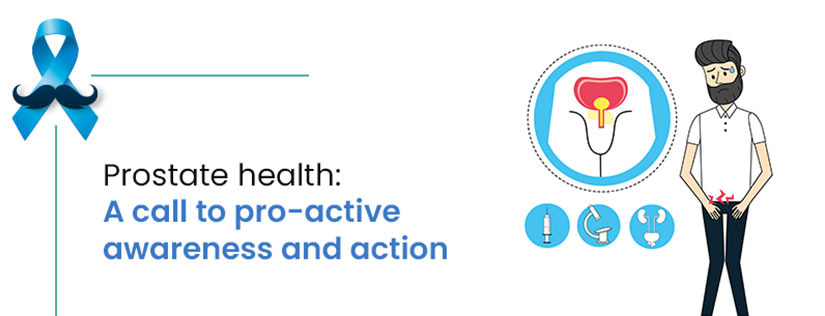
Prostate health: A call to pro-active awareness and action

Visakhapatnam: India has one of the world’s largest and fastest-growing populations of aging men. While it is commonly known that men in this age group suffer from ailments like type 2 diabetes, high blood pressure and cholesterol, even cataract, the huge burden of morbidity imposed by a condition called benign prostatic hyperplasia or BPH – suffered by many of these very men, is largely unheard of by the public. BPH is an age-related enlargement of the prostate which creates an obstruction to the outflow path of urine, producing troublesome symptoms that lead to the increased daytime frequency of urination, getting up frequently from sleep at night to pass urine, straining to improve the weak stream of urine, and feeling incompletely satisfied even after having just passed urine.

Research data from India show that almost 65% of men aged 40 years and above suffered from these annoying symptoms. Then why are most of these patient’s ‘unseen’?

According to Dr. Ravindra Varma from AINU Hospital , who is known as one of the best urologist doctor in hyderabad ; “Most of these patients ‘normalize’ their symptoms, as an inevitable consequence of aging often quoting examples of their father, uncles, elder brothers and other male friends, relatives, and acquaintances or attribute it solely to external factors like cold weather and their drinking too much water. They continue to suffer symptoms in silence and develop various strategies to cope with them until they markedly worsen, and complications develop. Only then do they approach a doctor”

According to Dr Ravindra Varma, Urologist, AINU Hospital “The patients suffering from BPH are always on the look-out for washrooms wherever they go – a behavior called toilet mapping, passing urine every time they go outdoors or retire to bed, cutting down on fluid intake more than needed and ultimately, not venturing out of doors or on long trips at all – either for socializing, work or even pleasure. This mostly happens due to embarrassing involuntary leakage of urine onto their garments (medically termed as incontinence) which occurs due to the inability to postpone the severe urge to urinate – medically termed as urgency.”

In addition, if untreated, other problems like recurrent acute urinary retention (sudden painful inability to pass urine), recurrent urinary infections, the formation of stones, and even damage to and failure of both kidneys can soon set in. These not only impose additional morbidity on the patient but also mean additional cost burden of surgery on the patient and his family. In many cases, the problem cannot be remedied by surgery and the patient may need to be put on lifelong catheterization or even dialysis.

Diagnosis of BPH is made by a mixture of physical, radiographic examinations and a few lab tests. Physical examination includes DRE (digital rectal examination), which involves a physical examination of the prostate is important to screen it from palpable prostate cancer. Abdominal and pelvic ultrasound also indicates the size of the prostate gland. Lab tests include PSA (Prostate-specific antigen). PSA is a protein that is made only by the prostate. When the prostate is healthy, very little PSA is found in the blood.

By the adoption of a healthy lifestyle and behaviors as well as cost-effective medications, the management of BPH is possible. Further, surgical removal of prostatic tissue is the last step if symptoms are uncontrolled or if complications like infections, stones, kidney damage etc.develop.It is indeed unfortunate that even in today’s day and age, where we have a host of effective and safe drugs and surgical techniques for patients with all kinds of limiting conditions, many patients still continue to suffer in silence, frequently approaching the doctor first only after they have landed into complications.

The first step in this direction is to create awareness of this condition and the availability of the treatments. It is not ‘normal’ that any aging male must accept and suffer prostate problems as a part and parcel of aging. This September, as we observe the Prostate Health Awareness Month, let us take an opportunity to create awareness on men’s health. Men usually tend to ignore their health and this awareness month is intending to provide easily accessible prostate health information via www.whatarelief.in – a digital asset created for patient awareness and education. To know more about the symptoms and treatment, visit the website. Remember, leaving it untreated could lead to more troublesome complications, imposing a heavier dual burden of morbidity and cost on the patient and his family

limiting calorie dense diet along with regular monitoring of Blood Sugar and Blood pressure are enforced by all of us.


About Author

Dr. G. Ravindra Varma,
Managing Director
MS, M.Ch (Uro)
Senior consultant urologist
Visakhapatnam

Decoding Hematuria: Understanding Blood in Urine and it’s Causes

  • Overview
  • 1. What is Hematuria?
  • 2.Who can get Hematuria?
  • 3.Hematuria Causes Explained
  • 4. The Symptoms of Hematuria
  • 5.When should you meet a specialist?
  • 6. Frequently Asked Questions

Anyone who sees blood in their urine feels scared. This is a natural reaction. But finding blood in the urine may not mean you have a lethal disease. If you can see the blood, it’s known as gross hematuria. Blood that cannot be seen by the naked eye is known as microscopic hematuria. It’s called microscopic because you need a lab microscope to spot the blood.

Nonetheless, it is worrisome to spot blood. If you have seen blood in urine, you must visit a urologist to get a proper diagnosis. Until then, we have mentioned the causes, symptoms, and prevention in this quick post.

1.What is Hematuria?

Hematuria is a medical condition in which you spotblood in urine.

Untreated hematuria leads to a range of problems, which is why people meet with a urologist before taking any medication or treatment. Doctors will help you treat this problem and find the root cause of it.

2.Who can get Hematuria?

You can find blood in female urine as well as blood in male urine. It is alarming for both sexes.

But the causes may be different. For example, a woman may be menstruating, and all she is saying is blood from her period. Whereas a man may have an enlarged prostate, which is causing the bleeding. So, both men and women can get hematuria for several reasons.

3.Hematuria Causes Explained

There could be a number of reasons for seeing blood in the urine.

Causes of blood in urine include the following:

  • UTI, or Urinary Tract infection, means you are experiencing an infection in the urinary system.
  • Cystitis is when you have an inflamed bladder. This hurts and causes discomfort.
  • Urinary stones are when doctors find stones in the kidneys or bladder.
  • Pyelonephritis is an infection that reaches the kidney.
  • An enlarged prostate could be another reason for seeing blood in the urine. It is a non-cancerous medical condition where your prostate gets larger in size.
  • Menstruation is when you find blood in your urine during your period.
  • Kidney disease is when your kidneys are damaged due to smoking, genetics, or certain antibiotics.
  • An injury near your genitals could also lead to blood in your urine. But this blood may not be coming from inside.
  • Being careful outdoors and taking better care of your health can help prevent the hematuria condition.

4.The Symptoms of Hematuria

Now that you know what causes hematuria, it is essential to know the symptoms. This will give you an idea if you should meet a specialist and get a diagnosis.

Symptoms include coloured urine. It may be red, pink, or cola-colored. Blame it on the red blood cells; they change the colour of the urine. It takes a tiny amount of blood to turn your urine red.

The bleeding does not cause pain, but if the urine is passing blood clots, then it may hurt.

When should you meet a specialist?

Hematuria treatment is a necessity. See your healthcare provider when you spot blood or anything uncanny in your urine.

Red urine does not have to come from red blood cells. You already know about the causes and symptoms, so spotting the alarming signs will be easier.

Please note that certain foods may also turn your urine pink or red. Nonetheless, you should speak to a professional and rule out any lethal diseases.

The best urology hospital in Hyderabad can help. Meet a specialist today; they will take away all your fears.

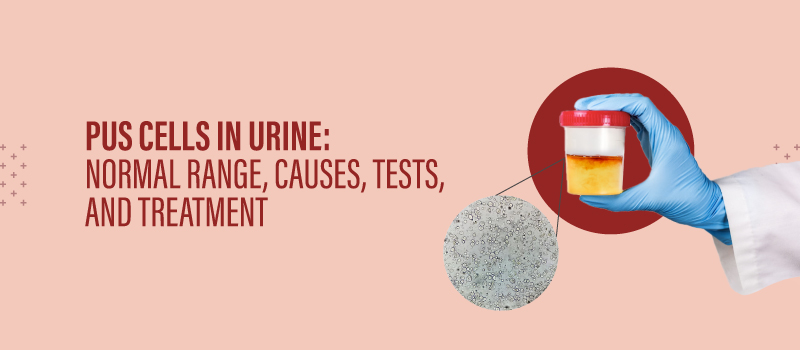
Pus Cells in Urine: Normal Range, Causes, Tests, and Treatment

Table Of Contents

  • Overview
  • What are Pus Cells in Urine?
  • Are Pus Cells in Urine Normal?
  • Causes and Symptoms of Pus Cells in Urine
  • Common Symptoms of Pyuria:
  • How Is Pyuria Diagnosed?
  • Treatment for Pus Cells in Urine
  • Complications of Pyuria
  • FAQs

You may have seen pus cells, an off-white fluid that secretes from the injured site, usually from a popped pimple. Excess pus from any incision or wound indicates you have suffered an infection, which your immune system is actively fighting. Simply put, it’s a sign your white blood cells have fought the infection successfully. Our immune system releases white blood cells to the target site if it notices a virus, bacteria, or any pathogen within your system. The pus color could also vary from off-white to yellowish to brown.

But what if these pus cells are found in urine? Is it normal? Or does it indicate an underlying medical condition?

What are Pus Cells in Your Urine?

Pus in the urine is called pyuria. Some of it is considered normal, as these are just the dead white blood cells, but if they are found in excess, you might need to get the screening. Pyuria is also classified into two types: sterile and non-sterile pyuria.

  • Sterile Pyuria – Pus cells are present, but no bacteria or pathogens are detected in the urine.
  • Non-Sterile Pyuria – Pus cells are found alongside a bacterial or viral infection.

Note that it’s possible that your urine shows sterile pyuria, but you have a viral infection or an undetected bacterial infection. These tests might not diagnose all kinds of infections, which is why further testing is necessary to identify the root cause of the issue and determine the most effective treatment.

Are Pus Cells in Urine Normal?

As mentioned previously, some pus cells in your urine are considered normal, but an excess of them can indicate a medical concern, like a problem in kidney function or a urinary tract infection. The doctor will recommend a urine analysis test to determine the quantity and type of pus cells present.

In rare cases, pus cells in urine might indicate sepsis. It’s best to consult a healthcare specialist to get a proper diagnosis. They might recommend a few crucial tests to determine the cause of the pus in the urine and diagnose the underlying medical condition. If you notice cloudy urine or a sudden change in urine color, see a urologist immediately.

The pus cells normal range in urine is between 0 and 5/HPF. Anything above that, especially if it reaches 10–12/HPF, is considered an infection. If your urine analysis shows 10–12 HPF pus cells, you have most likely contracted a bacterial infection or urinary tract infection. Many factors can influence the presence of pus cells in your urine, ranging from hormonal conditions to underlying medical issues. If your reports show higher-than-average pus cells, the doctor might recommend further tests to rule out the possibility of sexually transmitted diseases.

Causes and Symptoms of Pus Cells in Urine

A bacterial or viral infection can cause pus cells in the urine. The most common cause is a urinary tract infection (UTI), but other underlying medical conditions can also contribute. Here are a few common causes of pyuria:

  • Urinary Tract Infection (UTI) – The leading cause of pus cells in urine, UTIs occur when bacteria enter the urinary tract, leading to inflammation and infection.
  • Kidney Stones – Stones in the kidneys can cause irritation and block urine flow, leading to infections and pus cell formation.
  • Sexually Transmitted Infections (STIs) – Diseases such as gonorrhea or chlamydia can result in increased pus cells in urine.
  • Pneumonia – In rare cases, systemic infections like pneumonia can cause pyuria.
  • Sepsis – A severe bacterial infection that spreads into the bloodstream can lead to increased pus cells in urine.
  • Tuberculosis of the Urinary Tract – This rare but serious condition may cause persistent sterile pyuria.
  • Certain Medications – Some antibiotics, pain relievers, and chemotherapy drugs can cause temporary increases in pus cell levels.

Coming to the symptoms, the most common symptoms of pyuria are thick, off-whitish fluid leaking from your urine. Your urine color and texture might be different than usual. It could appear cloudy. Pus cells from UTI will be associated with burning sensation when peeing, foul-smelling urine, a sudden urge to urinate, fever, pelvic pressure and pain,urgency urinary incontinence, and nausea.

Common Symptoms of Pyuria:

Common symptoms of pyuria include thick, off-whitish fluid leaking from your urine. Your urine color and texture might be different than usual, appearing cloudy. If pus cells in urine normal range is exceeded due to a urinary tract infection, you might notice other symptoms, such as:

  • A burning sensation when urinating
  • Foul-smelling urine
  • A sudden urge to urinate
  • Fever
  • Pelvic pressure and pain
  • Urinary incontinence
  • Nausea

How Is Pyuria Diagnosed?

Pyuria can be diagnosed with a routine urine test. No special preparation is required from the patient’s end. A urine sample is collected and analyzed under a microscope to determine the number of pus cells present.

Your reports are considered normal if the pus cell count doesn’t exceed 5-7/HPF. If the count is above 5/HPF, the doctor may recommend further tests, such as:

  • Urine Culture Test – Identifies the type of bacteria present in urine.
  • Blood Tests – Detects infections or kidney problems.
  • Imaging Tests (Ultrasound, CT Scan) – Determines if kidney stones or structural abnormalities are causing the condition.
  • STD Testing – Helps rule out sexually transmitted infections as a cause.

The culture and sensitivity test helps determine the appropriate antibiotics if the condition is due to a bacterial infection.

Treatment for Pus Cells in Urine

Reducing pus cells in your urine is possible only when the underlying medical condition is treated. Common approaches include:

  • Antibiotics – Prescribed for bacterial infections such as UTIs or kidney infections.
  • Pain Relievers – Helps manage discomfort associated with infections or kidney stones.
  • Increased Fluid Intake – Drinking plenty of water can flush out bacteria naturally.
  • Medications for Underlying Conditions – If the cause is a chronic illness, targeted treatment is necessary.
  • Surgical Intervention – In severe cases, such as kidney stones or structural abnormalities, surgical procedures may be required.

Remember, pyuria itself isn’t a disease; it’s an indication of an underlying medical condition that needs medical attention. In some cases, surgical intervention might be necessary, but most urinary tract infections can be treated with medication.

Complications of Pyuria

While pyuria is normal in some cases, if it is associated with an underlying health condition, it can lead to complications such as:

  • Sepsis (Life-Threatening Infection)
  • Chronic Kidney Disease or Kidney Failure
  • Preterm Birth or Low Birth Weight in Pregnant Women
  • Recurring UTIs and Bladder Infections

If you experience any symptoms of pyuria, consult a urologist immediately.

UroLift Procedure: The Non-Surgical Solution for BPH

Table Of Contents

  • UroLift Procedure: The Non-Surgical Solution for BPH
  • What is the UroLift Procedure?
  • BPH Symptoms
  • Conducting the UroLift Procedure
  • Benefits of the Urolift Procedure
  • Which is better: TURP or UroLift?
  • Is UroLift a successful procedure?
  • What does UroLift cost?
  • How long can aUroLift last?
  • Does UroLift damage the prostate?

UroLift Procedure: The Non-Surgical Solution for BPH

As men age, they can experience an enlargement of the prostate resulting from a condition called BPH, or Benign Prostatic Hyperplasia. Although benign, this condition can cause significant challenges in our daily lives because the enlarged prostate can obstruct the urethra. Consequently, the individual suffering from BPH may experience symptoms like difficulty in urination. To resolve this issue, typically medications are used or a TURP surgery is advised, which is invasive and needs a reasonably long recovery time. An alternative option to that is the UroLift Procedure, which we will be discussing in this article.

What is the UroLift Procedure?

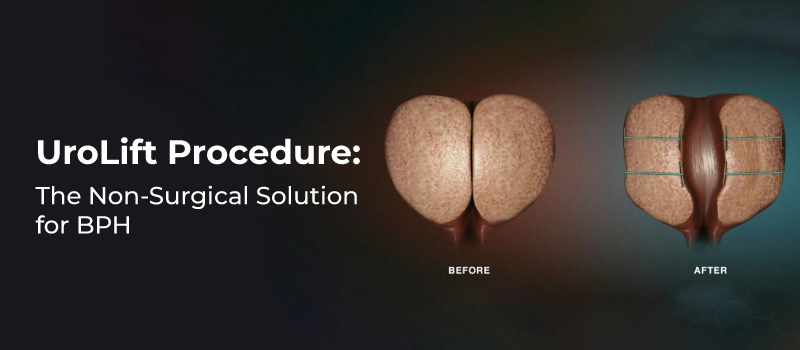
The UroLift Prostate Procedure is a minimally invasive treatment procedure to treat BPH in men. This procedure is conducted by utilising small implants, which are used to lift and hold the enlarged tissue in the prostate. This helps in relieving the obstruction of urethra and in turn resolving the BPH symptoms. Since this procedure does not require any major surgical processes, including cutting or removing the tissue, it is much safer and aids in quick recovery post-procedure. By relieving the obstruction of the urethra, this procedure helps to improve the quality of life of the individual suffering from BPH, as they do not experience the difficulty in urination.

Before opting for the Urolift Procedure, it is critical to consult a medical professional and understand the requirements for one’s particular case.

BPH Symptoms

Knowing the symptoms of BPH is essential for identifying the issue. The main symptoms a patient may experience include the following:

  • Slow or weak urine stream
  • Inconsistent urine stream that often stops and starts in between
  • Frequent urination at all times
  • Inability to hold urination or getting an urgent feeling to urinate
  • Experiencing difficulty initiating urination
  • Sense of incomplete emptying of the urinary bladder

Conducting the UroLift Procedure

Although it is not a surgical procedure that involves any sort of cutting on the patient’s body, the UroLift procedure does involve multiple steps that need to be conducted precisely. The main steps included in this procedure include the following:

  • Introducing the delivery device into the urethra until it reaches the enlarged prostate region. Since it is inserted through the urethra, there is no need for any cuts or incisions.
  • The next step involves lodging and placing the small implants (typically 4-6) to hold the enlarged tissue of the prostate. These implants successfully keep the enlarged tissue out of the way, thereby ensuring that the urethra is not obstructed, and providing relief to the patients.
  • The last step involves pulling back the delivery device after the implants have been placed and the urethra is opened. Once the procedure is completed, the patients tend to gain improvement of their urinary symptoms as the relief progresses.

With such minimal steps involved, there are very limited and temporary UroLift procedure side effects that one may experience. Typical side effects of this procedure can include temporary pain in the pelvic region, difficulty or pain during urination, increased urination frequency, and experiencing discomfort in the bladder or prostate region. However, it is essential to remember that the pain experienced is considerably less than with methods like TURP surgery, and patients are sure to make a quicker recovery from the procedure.

Benefits of the Urolift Procedure

The UroLift treatment procedure for BPH offers a lot of benefits to the patients, which has led it to become an increasingly popular treatment choice. Some of the core advantages of this procedure include the following:

  • Shorter Duration of Procedure: The Urolift treatment is known for being a quick procedure that can be completed from start to finish in under an hour. Because there are no cutting or invasive steps involved, the process is quite time-efficient.
  • Quicker Recovery: Since there is no invasive surgery needed, there are fewer things that the body needs to recover from. As such, the recovery to complete normalcy is comparatively more rapid for this procedure as compared to more invasive treatments.
  • No Long-Term Medications: By getting a minimally invasive procedure, patients save themselves from having to consume medications for a long time, which is typically part of medication therapy treatment for BPH.
  • No major concerning sexual side-effects such as retrograde ejaculation which is commonly found with other surgical interventions for BPH such as TURP. There is no impact on the sexual functions with urolift procedure. By making the patients free from the medications, it rather helps in improving and recovering from the sexual side-effects of the medications as well.

With so many benefits, the urolift treatment stands out as a safer option to pick. This procedure is also known for helping men retain sexual function, which can be hampered by other treatments.

However, after undergoing this procedure, it is essential that the patients follow precautionary care to ensure a full and rapid recovery. Some ways to practice care would include avoiding lifting heavy weights or engaging in strenuous exercises or activities for the duration prescribed by the doctors. Additionally, the patients need to avoid sexual activities

until they recover. Lastly, a focus on recovery should include a healthy diet and the consumption of adequate water.

Which is better: TURP or UroLift?

TURP is a traditional surgery to aid BPH in men. Compared to it, UroLift is a much less invasive procedure with little to no risks involved.

Is UroLift a successful procedure?

Compared to other treatments available in India, the UroLift procedure promises a higher success rate in men. The duration of recovery for this procedure is also much shorter, and the pain experienced is much less, making it a better choice.

What does UroLift cost?

Although in general the cost of a UroLift procedure can vary depending upon the individual case complexity as well as the region within India where it is being conducted, it can typically fall within the range of INR 1,50,000 to 3,50,000.

How long can aUroLift last?

Conducting the UroLift procedure does not take very long. In a mere 20-30 minutes, the procedure can be easily completed.

Does UroLift damage the prostate?

The UroLift procedure is designed to be minimally invasive. As such, it does not harm the prostate. In fact, the aim is to protect prostate function.

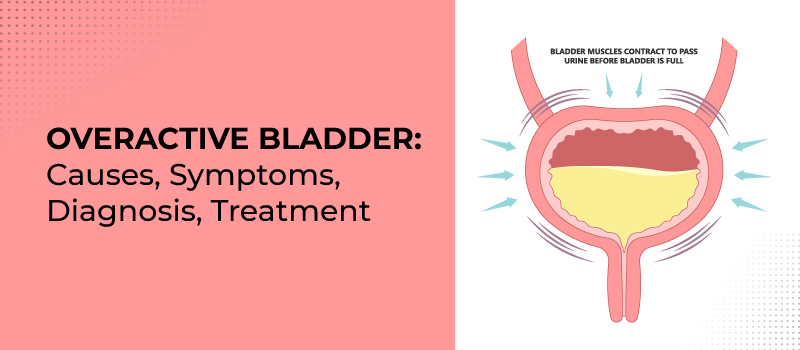
OVERACTIVE BLADDER: Causes, Symptoms, Diagnosis, Treatment

Table Of Contents

  • OVERACTIVE BLADDER: Causes, Symptoms, Diagnosis, Treatment
  • Causes of Overactive Bladder:
  • Symptoms of Overactive Bladder:
  • Treatment of OveractiveBladder:

OVERACTIVE BLADDER: Causes, Symptoms, Diagnosis, Treatment

Overactive Bladder (OAB) is a very commonly encountered urological condition. The causes for OAB are quite diverse, identifying the cause forms one of the mainstays of treatment. The symptoms of OAB can impair one’s Quality Of Life. Insight into one’s symptoms and seeking appropriate medical attention forms a very important part of the overall management.

Causes of Overactive Bladder:

    The causes for OAB are numerous. Some of the common causes that are routinely seen are,

  • Overweight
  • Elderly age group
  • Post-menopausal state
  • Urinary tract infections
  • Benign enlargement of prostate

Symptoms of Overactive Bladder:

It is often challenging to know for oneself that the urinary symptoms are that of OAB. It is often ignored and being attributed to progressing age. Common symptoms of OAB are,

  • Frequent urination: uncontrollable and frequent feeling to urinate. A constant or frequent feeling the need to empty the bladder despite the last urination was just few minutes ago
  • Urgency : sudden urgency to urinate
  • Disturbed sleep resulting from frequent urination at night

Treatment of OveractiveBladder:

Before the treatment is initiated, a sincere attempt to establish the diagnosis is very crucial. OAB in the setting of some underlying cause requires comprehensive approach for the treatment. However, based on the merit of every case, some of the below investigations namely Urine Analysis, Ultrasound, Uroflowmetry / Urodynamics or Cystoscopy may be warranted.

Lifestyle modifications form an essential part of the managing a case of OAB. Physiotherapy and Pelvic floor muscle exercises are also important tools for the treatment. OAB requires holistic approach for treatment and no treatment in isolation would give long-lasting results. The treatment comprises of the following,

  • Behavioural therapy – in the form of bio-feedback therapy
  • Pelvic floor exercises / Kegel’s exercises – it helps strengthen the muscles of the pelvic floor
  • Body weight management
  • Medications – one has to consult a specialist in order to decide the correct line of management

While it is a fairly common ailment, it doesn’t pose any life threatening risks. It is very crucial to identify the symptoms at very early stage as progression can result in irreversible changes in the bladder. Timely consultation with Urologist and seeking medical attention would prevent progression of OAB.

Book an Appointment