The Importance of Regular Urological Check-Ups

Table Of Contents

  • Understanding Urological Health
  • Common Urological Challenges
  • Symptoms To Look Out For
  • Advantages of Regular Urological Check-Ups
  • Who Requires Regular Urological Check-Ups?
  • What To Expect During Urological Check-Ups
  • Conclusion

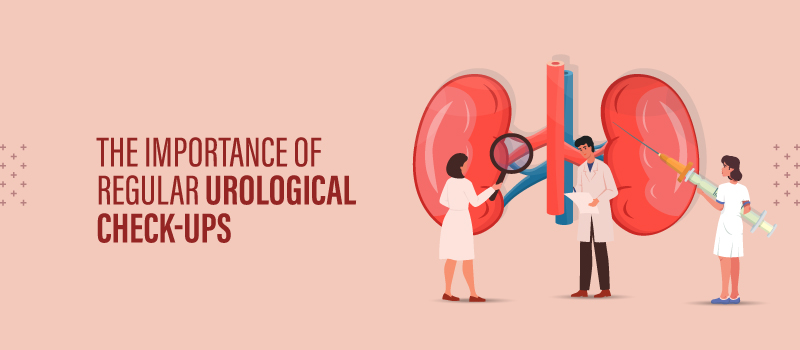
Maintaining a healthy body includes more than just watching calories and engaging in physical exercise every day. It means focusing on your overall health, including urological health, which often gets overlooked. This leads to the development of more serious urological issues, which, in a lot of cases, can be prevented by early mitigation. As such, regular urological check-ups are essential. Here we will examine what exactly a urological check-up is, what to expect, how it is beneficial, and more, in detail.

Understanding Urological Health

Urological health refers to the health of the reproductive system and the urinary tract, which consists of multiple organs, including the urethra, urinary bladder, ureters, and the kidneys. These organs are required by the body to function in sync in order to effectively eliminate waste from the body. In men’s health, urological health also focuses on the reproductive organs, including the prostate gland, testes, and other organs.

Urological health plays an important role in not just waste elimination, but also maintaining the balance of hormones, as well as the health of the reproductive system. Although men and women are both at risk of developing issues, men are often at a higher risk of developing urological issues.

Common Urological Challenges

There are a number of common issues that can impact your urological health. Some of the most common ones are the following:

  • Kidney stones: Kidney stones are mineral deposits in the kidney that the urinary tract is unable to eliminate from the body.
  • UTIs: Urinary tract infections, or UTIs, are another very common urological health challenge. This occurs most commonly in women and causes immense discomfort.
  • Bladder Cancer: Bladder cancer is a very challenging disease which can potentially be detected early through regular urological check-ups. This increases the chances of a successful treatment.
  • Prostate Cancer: Prostate cancer mostly affects men and is another critical illness that can be potentially detected early and treated through regular urological check-ups.

Symptoms To Look Out For

If you experience the following symptoms, you must get a urological check-up as soon as possible:

  • Frequent urination
  • Hematuria or blood in the urine
  • Painful or burning sensation when urinating
  • Lower back or pelvic pain
  • Challenge in starting urination stream
  • Sudden weight loss, fever, or fatigue

These symptoms can indicate a urological issue and must be examined for a conclusive diagnosis and treatment.

Advantages of Regular Urological Check-Ups

Regular urological check-ups provide a bundle of benefits, including the following:

  • Detecting Critical Issues Early: One of the biggest advantages of regular urological check-ups is that critical issues can be detected early, increasing the chances of success of the treatment plan.
  • Easier Management of Health: Managing health conditions such as BPH or frequent UTIs is simplified by regular urological check-ups and monitoring of the symptoms.
  • Preventive Healthcare: Remaining regular with your urological check-ups means that you can practice preventive care for your health effectively. It helps in identifying potential risks and taking preventive actions like lifestyle changes to prevent the risks from affecting you.

Why Requires Regular Urological Check-Ups?

Although it is advisable that everyone get a regular urological check-up, the following categories of people should ensure they make regular urological check-ups a habit:

  • People over 40 years of age, as they are at a higher risk of developing urological disorders, issues, and diseases.
  • Easier Management of Health: Managing health conditions such as BPH or frequent UTIs is simplified by regular urological check-ups and monitoring of the symptoms. Women who are in the postmenopausal phase of their lives as the hormonal changes can lead to significant urological problems such as UTIs.
  • Individuals who have a family history of developing urological issues like cancers must incorporate regular urological check-ups into their health examination routine.
  • Individuals who suffer from comorbidities such as diabetes, high blood pressure, obesity, etc., are always at a higher risk of developing urological issues, which makes it essential to get regular urological check-ups.
  • Individuals who suffer from repeated issues such as UTIs can develop serious conditions and can benefit from regular monitoring, as it helps identify any underlying challenges as well as take preventive care measures.

What To Expect During Urological Check-Ups

Before going for a urological check-up many people are nervous about what would happen, which happens because of lack of awareness. Here’s what you can expect:

  • Review of your medical history: The doctor will consult with you regarding your medical history, family history, and any symptoms which may have warranted the check-up.
  • Examination: The doctor will then perform a physical examination, which can include a general examination as well as a digital rectal exam.
  • Tests: Urine and blood tests would also be performed to check for any infections and markers for more serious diseases.
  • Imaging: Imaging tests like an ultrasound, CT scans, X-rays, and others may be recommended based on the case requirements.
  • In certain cases, the doctor may also order specialized tests such as a cystoscopy if they suspect any serious issue.

Overcoming the common barriers that prevent people from getting urological check-ups is essential to ensure optimal urological health. The right doctors can help you overcome these fears and embarrassment and achieve peace of mind in the fact that your urological health is perfect.

At AINU, we help you overcome any barriers that are holding you back from getting urological check-ups. Our experienced doctors help assess all your symptoms and guide you about the best preventive care measures. The in-depth knowledge and expertise that our doctors bring ensure that every one of our patients receives dedicated and expert care at our hospital. We are dedicated to helping you maintain proper urological health with our world-class facilities.

Conclusion

Urological health is often overlooked by people unless they feel significant challenges. A large number of people suffer from urological issues and yet do not incorporate regular urological check-ups into their health assessment routine. This can lead to long-term harmful impacts and lead to serious urological issues like prostate cancer and bladder cancer to grow due to lack of monitoring. To prevent such issues from causing immense harm to the body, it is essential to get regularly checked. Connecting with the AINU team is the place to start your journey towards achieving optimal urological health.

Kidney Stones in Children: A Growing Concern Parents Should Know About

Table Of Contents

  • What Is a Reconstructive Urology Procedure?
  • Common Types of Urology Reconstructive Surgery
  • What Is the Most Common Surgery for a Urologist?
  • What Is Reconstructive Bladder Surgery?
  • What Is the Success Rate of Bladder Reconstruction Surgery?
  • Pelvic Health Benefits of Reconstructive Urology
  • Why Choose the Asian Institute of Nephrology and Urology?
  • Frequently Asked Questions

When we think of kidney stones, we usually picture adults doubled over in pain. But did you know that kidney stones in children are becoming increasingly common? This condition, once rare in kids, is now being diagnosed more frequently in infants, school-aged children, and teens alike.

The rise in kidney stone cases has caught the attention of parents and healthcare professionals around the world. Diet, hydration, lifestyle, and genetic factors all play a role; and awareness is the first step in protecting your child’s health.

In this article, we’ll explore the causes, symptoms, diagnosis, and treatment options for kidney stones in children. You’ll also find answers to common questions, when to see a pediatric urologist, plus practical prevention tips you can start using today.

Can children get kidney stones?

Yes, children can absolutely develop kidney stones. Though once considered an adult-only issue, pediatric urologists now report an increasing number of cases each year. Children of all ages, from toddlers to teens, can experience stones in the kidneys or urinary tract.

Early diagnosis is important, as untreated stones can lead to infections, blockages, or long-term kidney damage.

What causes kidney stones in children?

There isn’t one single cause, rather, several factors can contribute:

  1. Dehydration: One of the most common causes. Many kids don’t drink enough water, especially during play or sports. Less fluid in the body means minerals and salts can crystallize in the kidneys, forming stones.
  2. Dietary habits: High salt intake, sugary drinks, processed foods, and too much animal protein all increase stone risk. Unfortunately, these are common elements in many children’s diets today.
  3. Family history: If a parent or sibling has had kidney stones, the chances rise significantly.
  4. Medical conditions: Certain metabolic issues (like hypercalciuria), urinary tract abnormalities, and chronic infections can predispose children to stone formation.
  5. Obesity: Excess weight is linked to a higher risk of kidney stones in children, as well as other urological problems.

What are the symptoms of kidney stones in children?

Recognizing the signs early can make all the difference. Watch for:

  • Sharp or cramping pain in the side, abdomen, or lower back
  • Blood in urine (pink, red, or brown color)
  • Nausea or vomiting
  • Frequent urge to urinate or pain while urinating
  • Restlessness, irritability, or discomfort (especially in younger children)
  • Fever or chills if infection is present

Not all stones cause pain right away. Sometimes the first sign may be blood in the urine during a routine checkup. If your child shows any of these symptoms, consult a pediatric urologist promptly.

How are kidney stones diagnosed in kids?

Pediatric diagnosis requires a gentle, child-friendly approach. The typical process includes:

  • Medical history & physical exam: This helps identify dietary risks, genetic links, or underlying conditions.
  • Urine tests: To check for crystals, blood, infections, and chemical imbalances.
  • Blood tests:These assess calcium, phosphorus, uric acid, and other markers linked to stone risk.
  • Imaging:Ultrasound is often the first choice because it avoids radiation. If more detail is needed, a low-dose CT scan may be used.

A skilled pediatric urologist can interpret the results and recommend the best course of action based on your child’s unique needs.

Are kidney stones in children dangerous?

They can be. While some stones pass naturally, untreated stones can lead to complications:

  • Pain and discomfort
  • Urinary tract infections
  • Blockage of urine flow, which can damage the kidneys
  • Recurrent stones if prevention isn’t addressed
  • Chronic kidney disease (rare, but possible with repeated untreated stones)

The good news? With prompt care and good follow-up, most kids recover fully. Seeing an experienced pediatric urologist ensures that your child’s kidneys stay healthy and strong.

How are kidney stones in children treated?

Treatment depends on the size, type, and location of the stone, and on your child’s age and overall health. Options include:

  • Increased fluids: Encouraging your child to drink plenty of water helps flush out small stones naturally.
  • Pain management: ver-the-counter pain relievers may be recommended during stone passage.
  • Medical therapy: In some cases, medications can help dissolve certain types of stones or prevent new ones from forming.
  • Minimally invasive procedures:

    Extracorporeal Shock Wave Lithotripsy (ESWL) uses sound waves to break stones into smaller pieces that can be passed more easily.

    Ureteroscopy involves using a small scope to locate and remove or break up the stones.

    Percutaneous nephrolithotomy may be used for larger or complex stones, through a tiny incision in the back.

The goal is always to relieve symptoms quickly while preserving kidney function, with as little discomfort and downtime as possible.

How to prevent kidney stones in children?

Once a child has had one stone, they are more likely to develop another. Prevention is key! Here’s what parents can do:

  • Promote good hydration: Water is the best drink, sugary sodas and juices can make things worse. Teach kids to drink regularly throughout the day.
  • Encourage a balanced diet: Low-sodium, high-fiber meals with fruits and vegetables help prevent stone formation.
  • Limit salty, processed, and high-oxalate foods (like chips, fast food, spinach, and chocolate) when needed.
  • Promote a healthy weight and active lifestyle:Obesity is a risk factor.
  • Stay on top of medical follow-ups: Regular check-ins with a pediatric urologist help monitor kidney health and catch any new issues early.

Why choose the Asian Institute of Nephrology and Urology?

When your child’s health is at stake, you want the best care possible. The Asian Institute of Nephrology and Urology (AINU) offers expert treatment for kidney stones in children, led by a team of experienced pediatric urologists. Our child-friendly approach, advanced technology, and compassionate staff ensure your little one is in good hands, from diagnosis to recovery.

If your child shows signs of kidney stones or has been diagnosed already, don’t wait. Book an appointment with our specialists today, early action can protect your child’s kidney health.

Frequently Asked Questions

1. Can children get kidney stones?

Yes, kidney stones in children are increasingly common today, especially due to dehydration and poor dietary habits.

2. What causes kidney stones in children?

They can be caused by lack of water, poor diet, genetics, certain medical conditions, and obesity.

3. What are the symptoms of kidney stones in children?

Common signs include abdominal pain, blood in urine, nausea, and pain when urinating.

4. How are kidney stones diagnosed in kids?

Doctors use urine and blood tests, along with imaging (typically ultrasound), to identify kidney stones.

5. Are kidney stones in children dangerous?

If untreated, they can lead to infections or kidney damage. With proper care, most cases are resolved safely.

Can You Live with One Kidney

Table Of Contents

  • What Do Kidneys Do?
  • What Happens When You Have Just One Kidney?
  • Why Might Someone Have Only One Kidney?
  • Is It Safe to Live with One Kidney?
  • Diet and Nutrition
  • Physical Activity with a Single Kidney
  • Medical Monitoring: Regular Check-Ups Are Key
  • Medications to Use with Caution
  • Do You Need Dialysis with One Kidney?
  • Are There Long-Term Risks?
  • Conclusion

Can you live with one kidney? The answer is, yes, you absolutely can. In fact, many people live long, healthy lives with a single kidney. But living with one kidney does require some understanding of how your body adjusts, what lifestyle changes are important, and how to stay ahead of any potential risks.

In this comprehensive guide, we’ll walk you through everything you need to know; from kidney function and potential risks to diet, exercise, medical care, and long-term wellness.

The primary role of the kidneys is to remove waste and excess fluids from the body, helping to maintain a healthy balance of electrolytes, blood pressure, and other critical functions. As they start to fail, the overall effects are quite damaging. You should know about the signs of chronic kidney disease, as you can miss out on them easily. With the right signs and early diagnosis, you can treat this condition on time.

What Do Kidneys Do?

Your kidneys are incredible organs; small in size but crucial in maintaining overall health. Together, they filter around 50 gallons (approximately 190 litres) of blood every single day. They perform many essential functions, including:

  • Removing waste and excess fluids from the body
  • Balancing electrolytes, such as sodium and potassium
  • Managing blood pressure through hormone regulation
  • Producing hormones that stimulate red blood cell production
  • Activating vitamin D, which supports strong bones and immune health

While we are born with two kidneys, it turns out that we really only need one functioning kidney to live a normal, healthy life.

What Happens When You Have Just One Kidney?

When a person is born with only one kidney, or when a kidney is surgically removed (due to donation, injury, or disease), the remaining kidney usually adapts. It grows slightly larger and boosts its filtering ability to meet the body’s needs. Over time, one kidney can take over nearly all the necessary functions. Many people with a single kidney experience no symptoms at all.

What Happens When You Have Just One Kidney?

There are several reasons why a person might live with one kidney:

  • Congenital absence: A small number of people are born with just one kidney (a condition called renal agenesis).
  • Surgical removal: A kidney may be removed because of cancer, chronic disease, or trauma.
  • Kidney donation: Thousands of healthy individuals donate a kidney to help loved ones or strangers in need.
  • Kidney shrinkage: Chronic conditions such as diabetes or high blood pressure may lead to loss of function in one kidney over time.

No matter the reason, with good care and lifestyle management, people can live with one kidney and enjoy a good quality of life.

Is It Safe to Live with One Kidney?

In most cases, yes. Many people with a single kidney never develop serious problems, especially if they follow the right precautions. Research shows there may be slightly higher risks over the long term, including:

  • Increased blood pressure
  • Protein in urine (proteinuria)
  • Slightly faster decline in kidney function as people age

That’s why it’s important to adopt a kidney-friendly lifestyle and work closely with a specialist to monitor your health.

Diet and Nutrition

One of the most important ways to protect your kidney is through proper nutrition. There’s no universal “renal diet” required for all people with one kidney, but smart choices can help you avoid extra strain.

In general, you should aim for:

  • Balanced protein intake: Enough to maintain muscle mass, but not so much that it overworks your kidney
  • Lower sodium: Aim for under 2,300 mg of salt per day to help control blood pressure
  • Ample fruits and vegetables: These provide fiber, vitamins, and antioxidants
  • Adequate hydration: Drinking plenty of water keeps your kidney working smoothly

Processed foods, fast food, and sugary drinks should be limited. If blood tests show any decline in kidney function, your doctor may further personalize your diet to reduce phosphorus, potassium, or protein intake.

Physical Activity with a Single Kidney

Exercise is important for everyone, including those with a single kidney. Regular physical activity helps you maintain a healthy weight, lowers blood pressure, improves mood, and supports heart health; all of which benefit kidney function.

Most types of exercise are perfectly safe:

  • Walking
  • Jogging
  • Swimming
  • Yoga
  • Strength training (with good technique)

Contact sports such as football, martial arts, or hockey carry a risk of kidney injury. If you participate in these, it’s wise to wear protective equipment; and speak with your doctor first.

Medical Monitoring: Regular Check-Ups Are Key

When you live with one kidney, the best kidney treatment is prevention. Regular check-ups can help you spot problems early; often before you feel any symptoms.

Here’s what your doctor will typically monitor:

  • Blood pressure: Keep it below 130/80 mmHg if possible
  • Creatinine and eGFR levels: Measure how well your kidney is filtering
  • Urinalysis: Look for protein in the urine
  • Electrolytes and overall blood chemistry

Most people will only need annual or semi-annual visits; but if there are any concerns, your doctor may recommend more frequent testing.

Medications to Use with Caution

Some common medications can affect kidney health, particularly when you have only one kidney. The medicines to watch out for include:

  • NSAIDs (ibuprofen, naproxen)
  • Some antibiotics and antivirals
  • Certain herbal supplements

It’s always smart to consult your nephrologist before starting any new medicine; even over-the-counter drugs, to ensure they are safe for your kidney.

Do You Need Dialysis with One Kidney?

Dialysis is required only when kidney function drops below about 15% of normal. With good care, most individuals maintain strong kidney function throughout life.

However, if you do develop kidney disease (for example, due to diabetes or hypertension), it’s important to work with your nephrologist early. The earlier you take action, the more likely you can avoid dialysis.

Are There Long-Term Risks?

Living with one kidney carries slightly higher long-term risks, especially if other health issues (like diabetes or high blood pressure) are present. The most common risks include:

  • High blood pressure
  • Proteinuria
  • Gradual decline in filtration rate over decades

By working closely with your doctor, eating well, staying active, and avoiding harmful medications, most people maintain excellent kidney function for life.

Conclusion

So, can you live with one kidney? The answer is yes! You can enjoy a full, healthy life with only one kidney. Just ensure that you regularly monitor kidney health, make smart lifestyle choices, and seek the best kidney treatment and professional guidance from experts.

At AINU, we’re here to support you every step of the way. Our nephrology team can create a personalized care plan to help you protect your kidney and live life to the fullest.

If you or a loved one are living with a single kidney, contact AINU today for expert guidance and world-class care.

Frequently Asked Questions

1. Can a person live with only one kidney?

Yes! Many people live perfectly normal lives with one kidney, as long as they take care of their overall health.

2. What precautions should I take if I have only one kidney?

Maintain healthy blood pressure, eat a balanced diet, stay hydrated, avoid injury to the kidney, and attend regular check-ups with your nephrologist.

3. Are there any restrictions on physical activity?

Most exercise is safe; including walking, swimming, yoga, and strength training. For contact sports, wear protective gear and consult your doctor first.

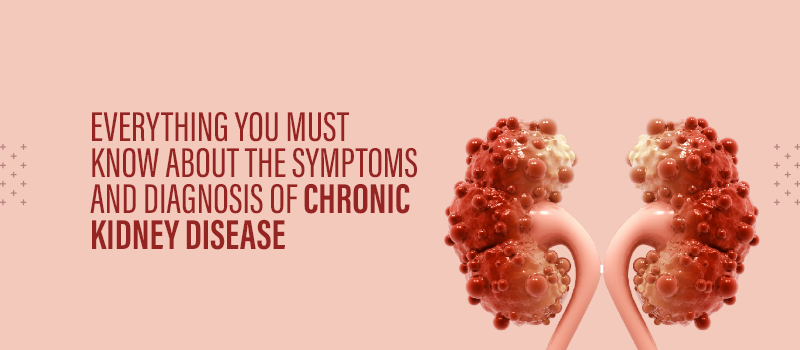
Everything You Must Know About the Symptoms and Diagnosis of Chronic Kidney Disease

Table Of Contents

  • Understanding Chronic Kidney Disease
  • Common symptoms of chronic kidney disease
  • Diagnosis of chronic kidney disease
  • Blood test (estimated glomerular filtration rate)
  • Final thoughts

Health problems can be either short-term or long-term, and every organ in the body has a unique and vital role. The kidneys, in particular, are essential organs responsible for filtering waste and maintaining the body’s fluid and electrolyte balance.

Chronic Kidney Disease (CKD) is a serious condition where the kidneys gradually lose their ability to function properly. The decline is often slow and subtle, which means symptoms may not appear until significant damage has already occurred.

The primary role of the kidneys is to remove waste and excess fluids from the body, helping to maintain a healthy balance of electrolytes, blood pressure, and other critical functions. As they start to fail, the overall effects are quite damaging. You should know about the signs of chronic kidney disease, as you can miss out on them easily. With the right signs and early diagnosis, you can treat this condition on time.

Understanding Chronic Kidney Disease

Our kidneys are vital organs that are located in the lower back area. Some of the main roles of this organ are to purify blood, eliminate waste, and balance fluids,electrolytes in the body. If you have chronic kidney disease, your kidneys will not function properly. If there is more damage to the organ, it could even lead to kidney failure.

At that stage, people might need dialysis or a kidney transplant.

Common symptoms of chronic kidney disease

One of the most common issues of chronic kidney disease is that it usually does not have symptoms at the beginning. Most people go on living with it for quite long without knowing about these symptoms. Let’s take a closer look at the symptoms.

Being tired all the time

One of the first symptoms that most individuals observe is feeling exceptionally weak and tired. It is not the type of fatigue that comes from being tired after a long day. This is an exhaustion that will not subside with rest. It happens because the kidneys can’t effectively filter waste, and the buildup of toxins in your blood affects your energy levels.

Swelling of the feet, ankles, hands, or face

Normal kidneys filter out excess fluids and salt from the body. But when not functioning normally, fluid begins to accumulate and results in swelling, which is edema. This will tend to manifest on your legs, ankles, feet, and even on the eyes. The shoes may feel tight, or the socks will leave impressions on your legs, or the rings won’t fit the way they used to.

Changes in urination

Since kidneys make urine, alterations in the manner in which you are urinating can be a direct indication of kidney problems. These alterations are typically the first to be noticed, and they differ from individual to individual. You may observe:

  • Frequent nighttime urination
  • Bubbly or foamy urine, indicating protein in the urine
  • Dark urine, indicating the presence of blood
  • Pale or extremely clear urine
  • Pain and burning during urination
  • Urine with a strong odour

If you notice any of these changes last for more than a few days, it is important to consult your doctor.

Shortness of breath

There are two reasons why individuals with chronic kidney disease will be out of breath. First, fluid accumulation in the lungs if the kidneys are unable to eliminate it effectively. Second, chronic kidney disease usually causes anaemia, which is where your blood can’t transport oxygen. This can make breathing more difficult, especially during exercise or when lying down.

Metallic taste in mouth and bad breath

When there is accumulated waste in your blood, a state which is referred to as uraemia, it can result in a foul taste in your mouth. This can result in bad breath and an altered taste in food. Individuals can also lose their appetite for food and experience nausea upon consumption of food. Some of the typical experiences include food tasting abnormal, bad breath despite proper oral hygiene, and loss of appetite for food you once liked.

Diagnosis of chronic kidney disease

While the experience may be similar to a layperson, kidney cancer is an entirely different disease and a very serious one. It refers to the condition of the kidney cells growing rapidly and uncontrollably in an abnormal manner. This life-threatening disease can be of different types, the most common one being renal cell carcinoma, which is what 90 percent of kidney cancer patients suffer from. Apart from this type, Wilms tumor and transitional cell carcinoma are other types of kidney cancer impacting people. The Wilms tumor impacts children primarily.

Kidney cancer is the presence of a malignant tumor in the kidneys, which causes dull and continuous pain to the patient, which may increase gradually. The pain in this case is felt in the back side, also known as the flank area. However, since the lump cannot be felt by the patient, especially in the early stages, it is commonly mistaken for kidney stones unless proper diagnostics are run.

Blood test (estimated glomerular filtration rate)

This is one of the key tests that are used to test how efficiently your kidneys are purifying your blood. The test counts creatinine, a waste product that is formed naturally by your muscles. Healthy kidneys remove creatinine through urine. If creatinine levels are elevated, then maybe your kidneys are not functioning correctly. From this, doctors will derive the eGFR. This figure indicates how well your kidneys are removing waste. Let us see what eGFR levels mean:

A person who gets kidney cancer will see some common symptoms of the disease, including the following:

  • 90 or above – Normal kidney function
  • 60–89 – Early-stage chronic kidney disease
  • 30–59 – Moderate kidney damage
  • 15–29 – Severe decrease in kidney function
  • Below 15 – Kidney failure

A low eGFR for three months or longer usually confirms chronic kidney disease.

Urine Test

Your urine can reveal a lot about how your kidneys are doing. Normally kidneys keep important substances like protein in the body and filter out the waste. But if they are damaged, proteins like albumin can leak into urine. A common test measures the albumin to creatinine ratio. A high ACR means too much protein in the urine. Doctors can also test for blood in urine, which can suggest infection, kidney stones, and inflammation.

Imaging Tests

Doctors might want to look at your kidneys using imaging tests. These will help them detect abnormal size or shape of kidneys, tumours, cysts, or kidney stones, and blockages or poor blood flow. The common scan used is renal ultrasound, which is safe and painless. If more detailed images are needed, a CT scan or MRI can be used.

AINU is proud to be one of the youngest hospitals in the country to achieve NABH accreditation. Our facilities combine top amenities along with world-class standards of service. We are present in Secunderabad, Hyderabad, Siliguri, Vizag, and Chennai. We focus on delivering a comprehensive range of medical, surgical, and supportive care services. We strive to provide the best clinical outcomes for our patients by making sure that our qualified and experienced team attends to them with care. If you are facing issues with your renal health, do not hesitate to book a consultation with us.

Final thoughts

Chronic Kidney Disease might not always show obvious symptoms, symptoms to present it indicates more than 50% damage of the kidney has occured,That is why early diagnosis is very important. With all the right tests, doctors can easily identify kidney problems and help you manage them before they become serious. A simple test today can protect you from a life-changing condition tomorrow.

Kidney Stone Treatment: Extracorporeal Shock Wave Lithotripsy

Kidney stones are becoming a very common concern across the world, especially in India, with poor lifestyles, including uncontrolled eating habits, increasing the occurrence of the issue among the masses. This painful disease requires patients to undergo invasive surgeries, typically in severe cases. However, with technological advancements, noninvasive treatment options such as extracorporeal shock wave lithotripsy (ESWL) have been developed. While still gaining recognition, leading urology and nephrology institutions and hospitals have already adopted it. In this article we will examine what it is, how it works, and more.

Understanding Extracorporeal Shock Wave Lithotripsy

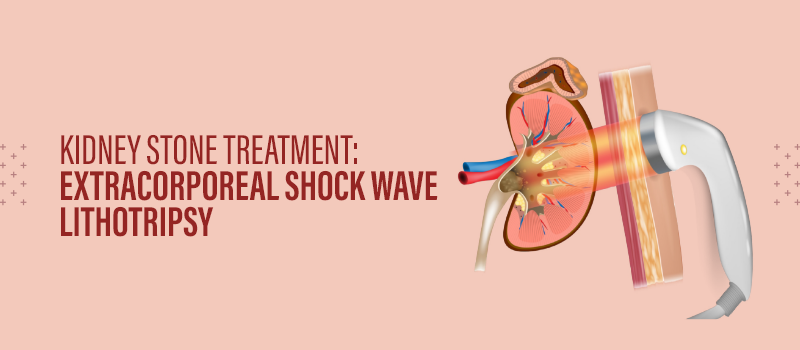
Extracorporeal shock wave lithotripsy (ESWL) is a highly advanced and modern treatment option that is non-invasive in nature. In this procedure, shock waves are used for disintegrating the stones into tiny pieces and particles, which can then be passed out of the body through the urinary tract. The method is highly effective in treating stones that are situated in the upper ureter or in the kidney and fall between the small- to medium-sized stone category. Though it was devised in the 1980s, it is still gaining popularity, especially in India. However, now, this method of treatment is quickly becoming a widely available and accessible treatment option.

ESWL is a highly preferred treatment option among eligible patients, such as those whose stone is not bigger than 2 cm and is situated either in the kidney or in the upper ureter. Those that have stones bigger than this would not be eligible to get this treatment. Moreover, any patient whose kidney function is not compromised and whose stones can be seen very clearly via the X-ray or ultrasound scans can be considered eligible for this treatment. Finally, if these parameters are met, a patient who wants to go for the non-surgical treatment route can benefit from this kidney stone treatment option. Beyond these parameters, the eligibility of a patient can be dependent on other factors and must only be assessed and defined by a doctor.

How It Works

The way ESWL works makes it extremely effective in treating kidney stones without exposing the body to surgical procedures. While surgery can be risky (in some cases) and bring a lot of discomfort and pain to the patient, ESWL is a non-invasive process, which also makes it much less painful or uncomfortable.

In this process, lithotripters are used to emit acoustic shock waves, which are utilized for breaking down the kidney stones. These high-energy waves are targeted at the kidney stone and accurately break it down into smaller pieces. Since it is a precision process, the shock waves must be targeted accurately, which makes it vital for the stone to be clearly visible. The XRay and ultrasound scans made for the kidney stones are utilized for this, as the images clearly indicate the position of the stone.

When the body is exposed to the waves, it travels through the layers to reach the stone and break it into smaller particles. These pieces are then left in order to gradually pass through the urinary tract.

Advantages of ESWL

ESWL offers a lot of advantages, because of which it is growing in popularity for treating kidney stones effectively. Some of the key advantages that all patients must know include the following:

100% Surgery-Free

There is zero surgery involved in an ESWL procedure. All the patient needs to get done is an imaging examination, such as an ultrasound or an X-ray. Thereafter, patients will be treated using lithotripters, which emit acoustic waves. This means there is no need for any cuts, incisions, numbing agents, or anything that can be considered invasive. Because of being non-invasive, this procedure is also extremely safe for patients (who qualify) and has a high rate of success. As such, individuals who are eligible and in whom the stone is found in time should choose this treatment for its efficacy.

Minimal Downtime

For busy individuals, ESWL also brings the advantage of minimal downtime. Since it is non-invasive, patients only need to rest for a day or two before they can pick up their regular activities. The post-treatment care in this procedure, as with all others, is quite essential. So, patients must follow the instructions of their doctors in order to recover fully and quickly.

Quick Procedure, Minimal Discomfort

Another great thing about the ESWL procedure is that it is super quick, and the patient does not feel the kind of pain and discomfort that they would in a surgical procedure. The complete process can be completed within an hour, including the outpatient processes, allowing patients to leave back for home (unless otherwise needed) quickly. In most cases, patients are allowed to leave for home the same day. As for pain, in general the amount of pain and discomfort felt is very low, and for this, a mild sedative or even localized anesthesia may be given to the patients. This is mostly given to patients that are older or nervous to ensure a smoother treatment experience.

World-Class Expertise at AINU

At AINU, the leading kidney hospital in Hyderabad, we bring world-class expertise, decades of experience, and a patient-concerned approach. Our globally experienced doctors, trained with the latest treatment methods, offer a safe and comfortable ESWL treatment experience for treating kidney stones. Patients suffering from kidney stones and other urological and nephrology issues are treated with the utmost care at our hospital, with transparency, integrity, and safety at the core of all our initiatives. Driven to make your kidney health and disease recovery seamless, our doctors and staff members take all measures that make the journey comforting.

Conclusion

ESWL is one of the most advanced methods of treating kidney stones. This non-invasive method is ideal for patients that have kidney stones smaller than 2 cm and who meet the other eligibility criteria needed for the treatment. A safe and virtually painless method, this treatment is just as effective as any other surgical method, but without the recovery hassle, pain, discomfort, or chances of infection (if not provided proper post-op care). If you are struggling with kidney stones, inquire about ESWL.

How Heat Causes a 40% Rise in Kidney Stones Among Youth During Summer

As temperatures rise in India, there is a serious unwelcome trend washing over, one that urologists are warning the youth about. As the heat rises, there is a sharp increase in the number of cases of kidney stones in India, increasing at the rate of roughly 40%. What’s more concerning is that the highest increase comes in the case of young individuals, resulting from a lot of factors. Identifying kidney stones symptoms and taking precautionary measures as recommended from specialists is key to staying healthy this summer. Here’s all you need to know about it.

What Experts Have To Say

According to experts from AINU, the incidence of kidney stones increases among the younger population during summer due to various reasons. Most prominently, the age group between 20 and 40 is at the highest risk of developing kidney stones due to dehydration or inadequate hydration along with other problematic habits. Increased fast food consumption in addition to reduced intake of water contributes to increased occurrence of kidney stones. Understanding the signs of having kidney stones plays an important role in quickly understanding when you are getting them and thus getting the issue handled at the earliest.

The chances of getting kidney stones during summer months increase because the body loses a lot of water in the form of sweat. As such, salt deposits in the body tend to crystallize in the absence of enough water to flush them out. These crystals or stones cause a lot of issues, including excruciating pain. Handling kidney stones effectively can involve various approaches, such as taking medications to help dissolve the stones quickly, drinking plenty of fluids, or undergoing surgery in severe cases. Early detection increases the chances of seeing a positive impact from non-invasive methods like increasing fluid consumption and taking medications. However, if the issue goes unnoticed for a long time and becomes severe, surgery may be recommended.

Why Incidents of Kidney Stones Rise During Summers

Apart from dehydration, several factors contribute to an increased risk of developing kidney stones, especially during the summer. Some of the key reasons include:

History of Kidney Stones in the Family

Individuals who have a family history of kidney stones are always at a higher risk of developing them if proper care and precaution are not taken. These individuals need to ensure they consume ample water every day in order to prevent getting afflicted with kidney stones.

Poor Diets

With increasing work pressure and the need to maintain a strong social presence, people have developed poor dietary habits. A lot of fast food and junk food consumption leads to increasing incidences of developing kidney stones. This mostly happens because such foods are high in salt. Apart from salt, overconsumption of foods that contain oxalates and proteins contributes to increased development of kidney stones. Furthermore, unbalanced diets, especially among the overly health conscious who focus on protein intake, often forgetting balance, also lead to increased cases of kidney stones.

Excessive Heat Exposure

Professionals who are exposed to heat because of their occupation, such as people in sales jobs, those in manufacturing sectors, miners, etc., are also at an increased risk of developing kidney stones because of the extremely hot conditions. Similarly, young individuals who spend too much time outside, whether playing or otherwise, and are exposed to too much heat need to be cautious about their water intake to allow the body to excrete excessive salts, calcium, and other elements deposited in the body.

How To Prevent Kidney Stones During Summers

In order to prevent kidney stones in hot weather, especially among younger people, a number of helpful measures can be taken. Some of the most effective ways to prevent kidney stones include the following.

Hydrating Religiously

During the hot weather, make sure you hydrate yourself adequately. A helpful way is to set reminders on your phone to ensure you do not forget to drink while busy.

Eating a Balanced Diet

Focusing on what you eat is another essential element to ensuring you do not get kidney stones. Regulate how much your consumption of oxalate-laden foods is and the intake of salt and sodium-rich foods.

Limiting Sun Exposure

Try to limit time in the sun to prevent loss of water through sweat. This leads to dehydration in the body, which is a leading cause of kidney stones during summers.

Potential Treatment Routes

In case you still get kidney stones, even after taking measures to prevent them, there are multiple treatment routes that can be taken to address the issue. Based on the severity and needs of each case, a specialist may recommend any of the following treatment options.

Medications

To manage pain and help dissolve the stone, medications may be prescribed by the professionals. Along with these, the key recommendation is to drink lots of water, which will further help in dissolving the stones.

Surgery

In very severe cases, when the stone cannot be removed by medications, a surgery may be recommended by the specialists. Surgical intervention is typically avoided for as long as possible by the specialists, as it causes significant discomfort and is an invasive methodology for addressing the issue.

Lithotripsy

Lithotripsy is another treatment option that can be recommended for kidney stones treatment in Hyderabad. This is a non-invasive treatment option in which the specialists try to break down the stones.

Conclusion

With the continuous rise in temperatures, the need to tackle the potential of kidney stones effectively is rising. People in the younger age group, falling between the ages of 20 and 40 years old, increase their chances of developing kidney stones by up to 40% during the hot months. Those that have a history of kidney stones in their family, have poor dietary habits, or are exposed to heat too much are at a higher risk of developing kidney stones. As such, it is essential to remain well hydrated and take necessary precautions to ensure you stay safe.

Book an Appointment